Assistance dogs, frequently called service dogs after the American term, are drawn from a surprisingly narrow set of breeds. The reasons are practical rather than traditional.
Which breeds do UK charities actually use?
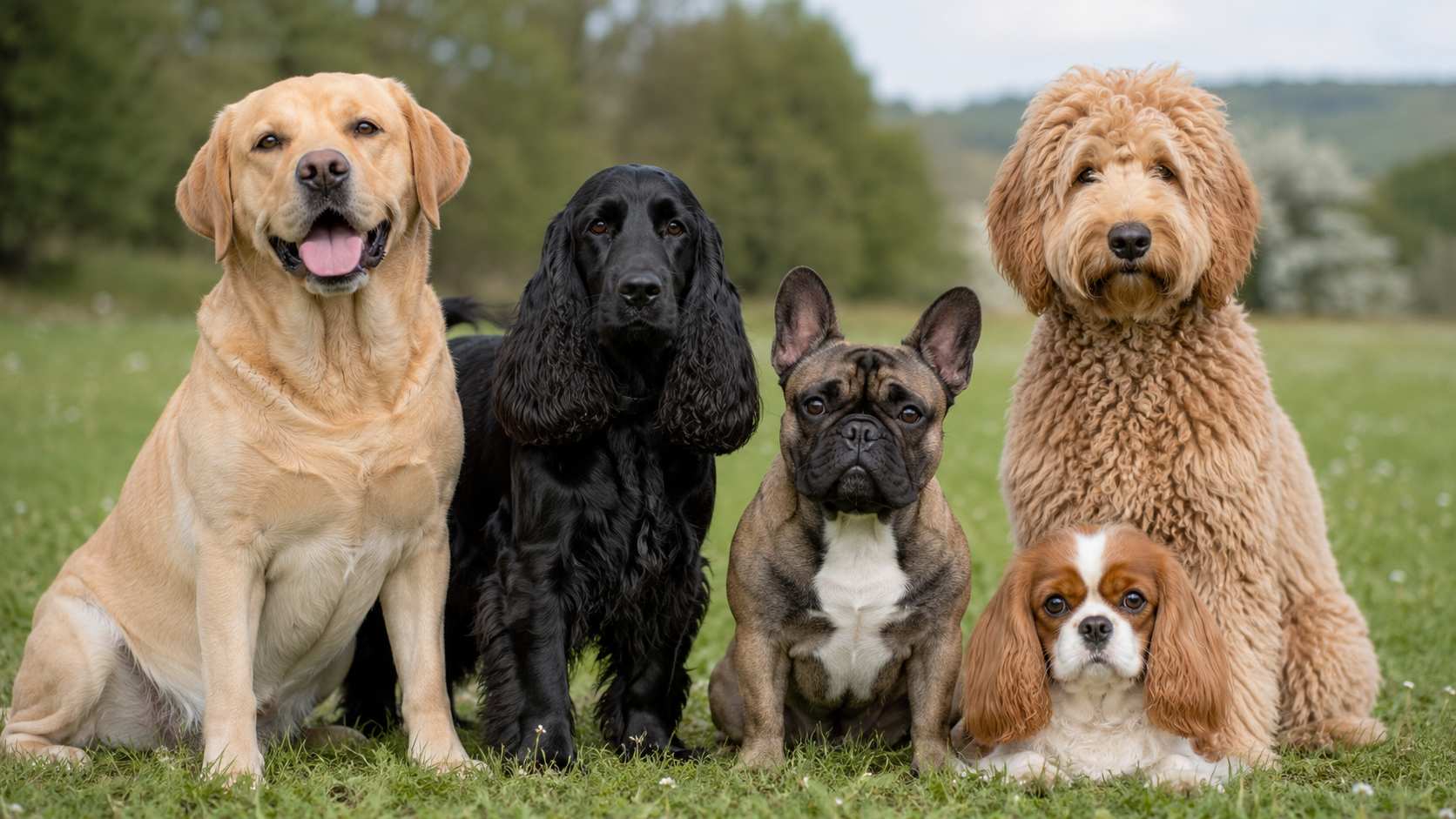
Labrador Retrievers, Golden Retrievers and crosses between the two make up the large majority of dogs placed by accredited UK organisations.
Standard Poodles and Labradoodles appear in programmes where a low-shedding coat matters, particularly for recipients with allergies.
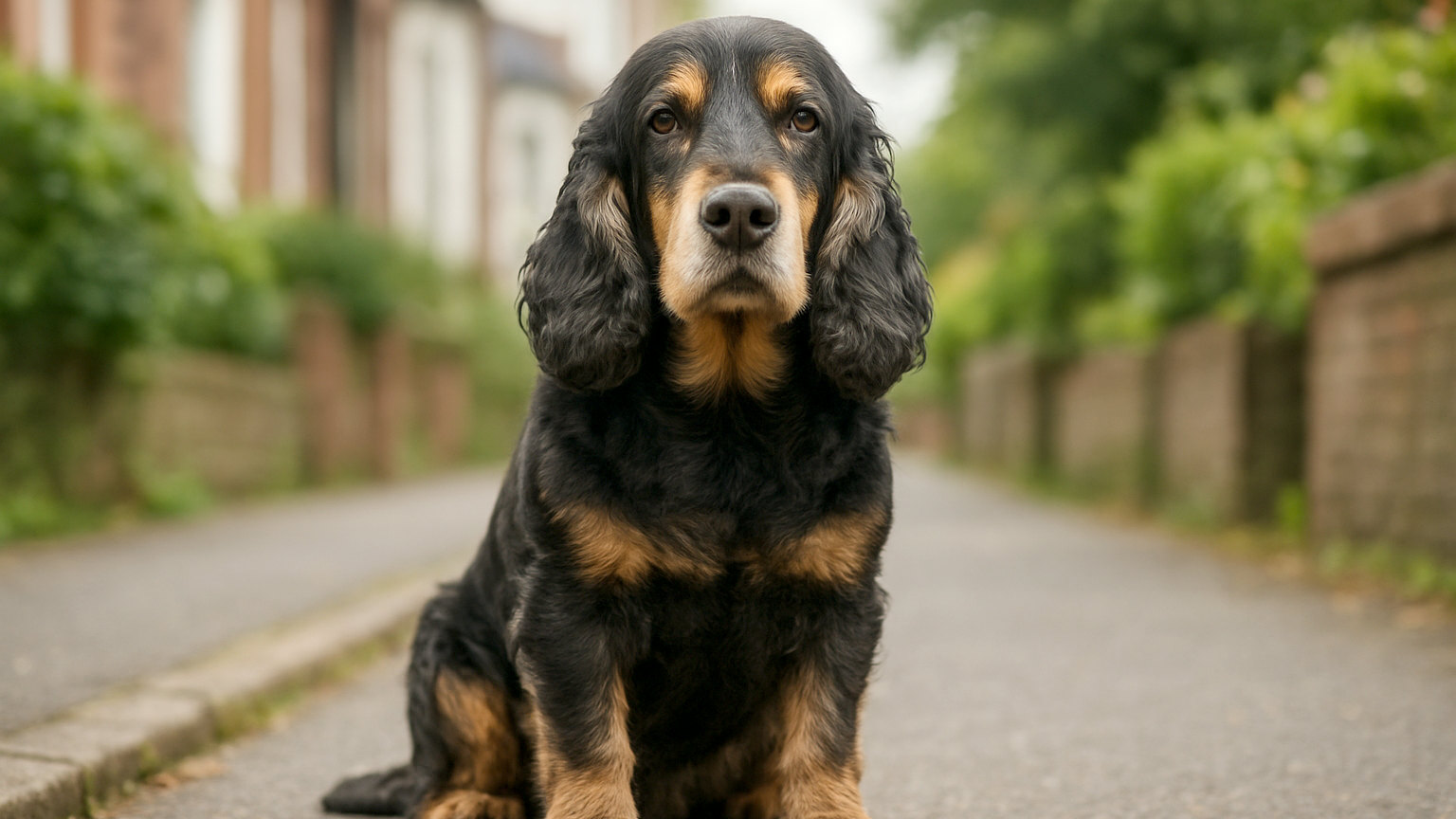
German Shepherds have a long history in guide dog work and are used less than they once were. Cocker and Springer Spaniels feature in scent-detection roles such as medical alert work.
Smaller breeds, including Miniature Poodles, Cockapoos and some terrier crosses, are used for hearing dog work, where size is an advantage rather than a limitation.
Why do Retrievers dominate?
Biddability, principally. These breeds were developed to work closely with a handler, take direction and carry things gently, which is very close to what assistance work requires.
They are people-focused rather than independent, which matters when a dog must stay engaged with one person for hours in distracting environments.
They tolerate handling, cope with novelty and recover quickly from surprises. They are also the right size for tasks such as retrieving dropped items, opening doors and providing steadying support.
There is a practical dimension too. Charities have decades of breeding data on these lines and can select for the temperaments that succeed.
What matters more than breed?
The individual dog. Charities assess temperament continuously from puppyhood, and a substantial proportion of dogs from purpose-bred litters still do not qualify.
The traits that matter are confidence without boldness, low reactivity to noise and movement, recovery from startling, tolerance of handling, food motivation and a genuine willingness to work.
Sound sensitivity, fearfulness, over-excitement around other dogs and any tendency to guard resources all rule a dog out regardless of how well bred it is.
Which breeds are generally unsuitable?
Flat-faced breeds, because assistance work involves sustained activity, travel and heat exposure that compromised airways cannot support.
Breeds with high prey drive or strong independence, since public access requires ignoring cats, birds and distractions entirely.
Very large and giant breeds, which have shorter working lives and greater joint problems. Very small breeds, which cannot perform most physical tasks.
Guarding breeds are used occasionally and require exceptional handling, since any suspicion of strangers is disqualifying.
What about health?
An assistance dog needs to work for years, so orthopaedic soundness is essential. Charities health test breeding stock for hips, elbows and eyes as a matter of course.
A dog that develops arthritis at six has a curtailed working life, which is why conformation and joint health carry more weight here than in a pet.
Does breed matter if you are owner-training?
More, not less, because you have no breeding programme behind you. Start with a health-tested puppy from a breeder producing stable, biddable temperaments.
Choose a breed suited to the tasks you need, and be prepared for the possibility that the individual dog will not be suitable however carefully you chose.
Speak to an accredited organisation before buying, since several offer guidance and some support owner-training directly.
What is the honest summary?
Breed narrows the odds and does not determine the outcome. A Labrador from working assistance lines is a good bet; a Labrador from any pet litter is simply a Labrador.
Where do the puppies come from?
Accredited charities run their own breeding programmes, selecting from lines with generations of working data behind them.
Puppies are raised by volunteer puppy walkers in ordinary homes for around a year, which is where the socialisation that makes public access possible actually happens.
Dogs that do not make the grade are rehomed as pets, and there is usually a long waiting list for them too.
What about rescue dogs?
Occasionally used, and rarely, since the temperament requirements are exacting and history is often unknown.
A small number of organisations assess suitable rescue dogs for specific roles, particularly where alerting behaviour is already present.