When Is a Dog Considered Senior?
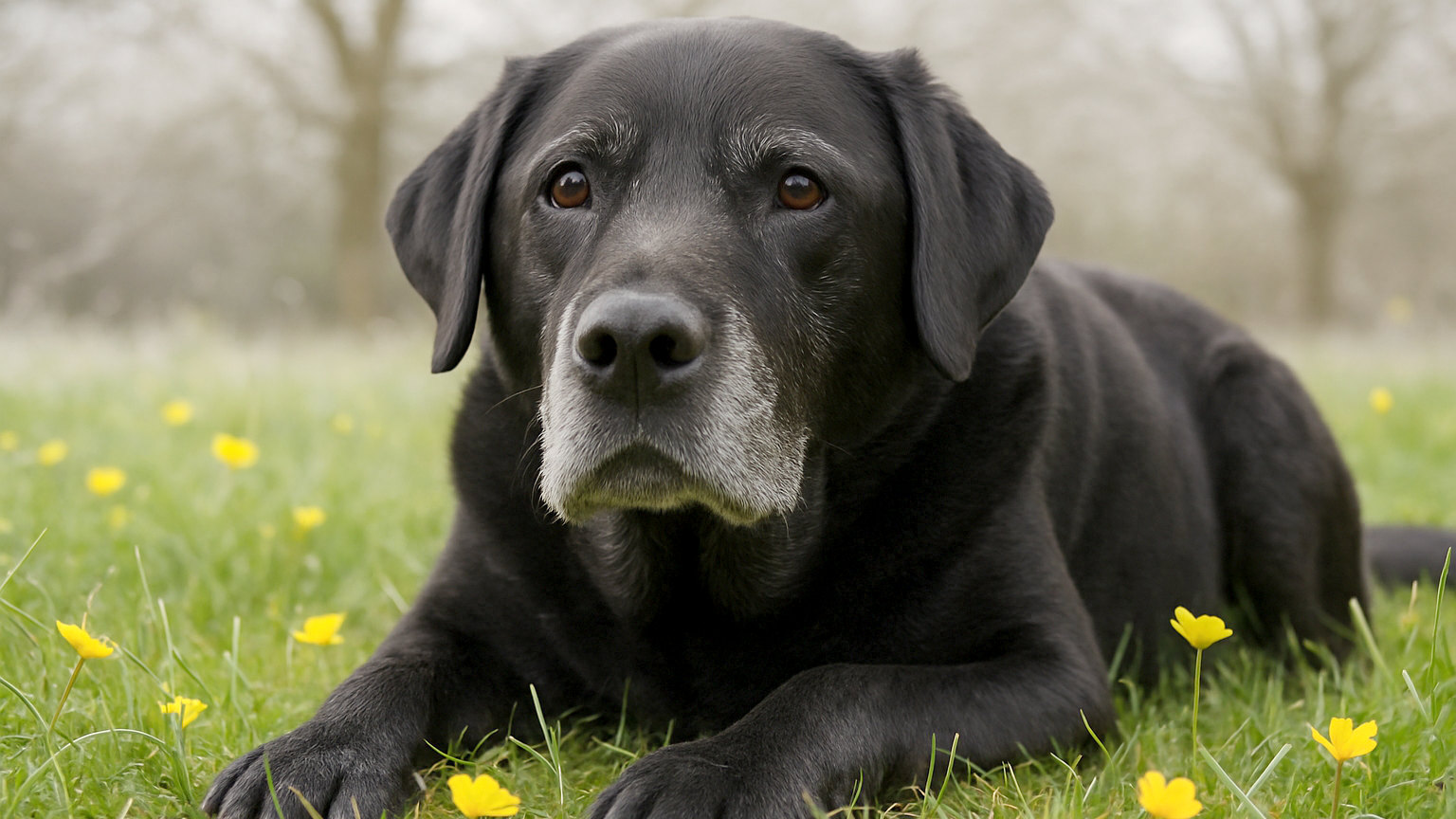
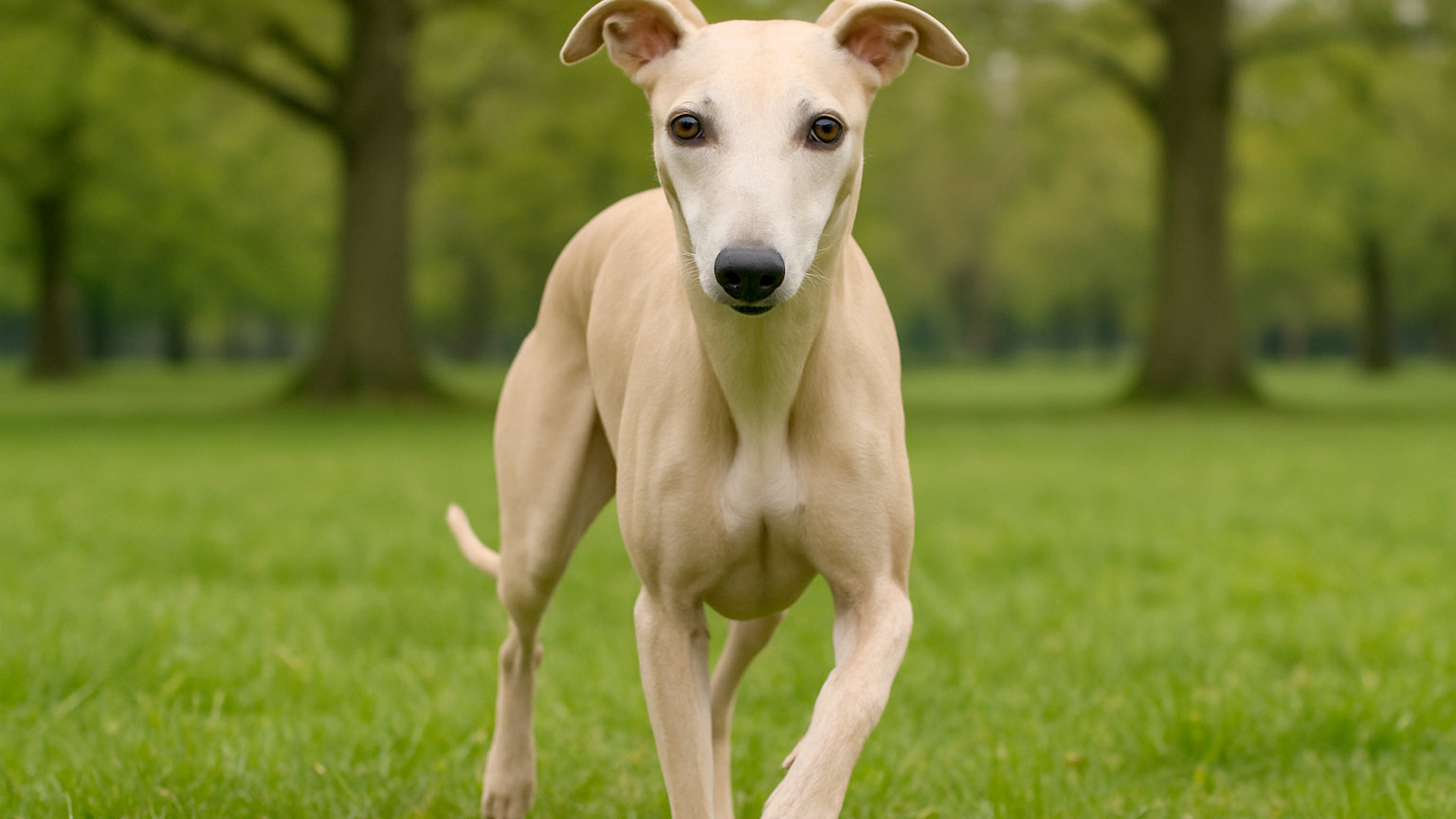
A seven-year-old Great Dane is elderly and a seven-year-old terrier is middle-aged, which is why a single number never works.
By Dog Guides Editorial
26 Apr 2026

Dogs age at very different rates by size, and a seven-year-old Great Dane is a considerably older animal than a seven-year-old terrier. These guides cover arthritis, hearing and sight loss, canine cognitive dysfunction, and the end-of-life decisions nobody wants to think about early.
A seven-year-old Great Dane is elderly and a seven-year-old terrier is middle-aged, which is why a single number never works.
Twice-yearly checks with blood and urine testing catch the conditions that matter most in later life, usually well before signs appear.
Often called dog dementia, it is common in older dogs, frequently mistaken for normal ageing, and considerably more manageable when caught early.
Dogs adapt to gradual sight loss remarkably well, provided the furniture stays where it is and the changes are made around them.
Age-related hearing loss is gradual and often noticed as selective deafness, and hand signals solve most of the practical problems.
Slippery flooring is the single biggest hazard for an older dog, and fixing it costs less than most of the alternatives.
Mental work matters more as physical exercise reduces, and there is evidence it helps slow cognitive decline as well as filling the day.
Old age is not a diagnosis, and a great many changes owners attribute to it turn out to be treatable conditions.
Dogs rarely cry out with chronic pain. They become quieter, slower and less tolerant, which is why it is so often mistaken for age.
Age is not itself a reason to decline surgery, and declining a dental on age grounds frequently leaves a dog in chronic pain.
Quality of life is easier to judge on paper than from memory, which is why keeping a simple record matters so much.
There is rarely a single moment of certainty, which is why most owners find the decision so hard and why guilt is nearly universal.