As walks shorten, the risk is that an older dog's day empties out. Mental stimulation fills that gap and appears to support cognitive function directly.
Why does it matter?
Studies in ageing dogs have found that those kept mentally engaged show slower cognitive decline than those that are not, which mirrors findings in other species.
It also addresses the practical problem that a dog sleeping all day will be restless at night, which is one of the most disruptive features of ageing.
And it gives an older dog something to succeed at, which matters when physical capability is reducing.
What suits a dog with reduced mobility?
Scent work above everything, because it requires almost no movement and is genuinely demanding. Scatter a meal across a snuffle mat or a towel and let the dog work through it.
Hide treats around one room and let the dog find them at its own pace. Use cardboard boxes with scrunched paper and food inside.
Lickmats and stuffed frozen toys provide long, calming activity that can be done lying down.
What about training?
Older dogs learn perfectly well, and short sessions teaching something new are excellent mental exercise.
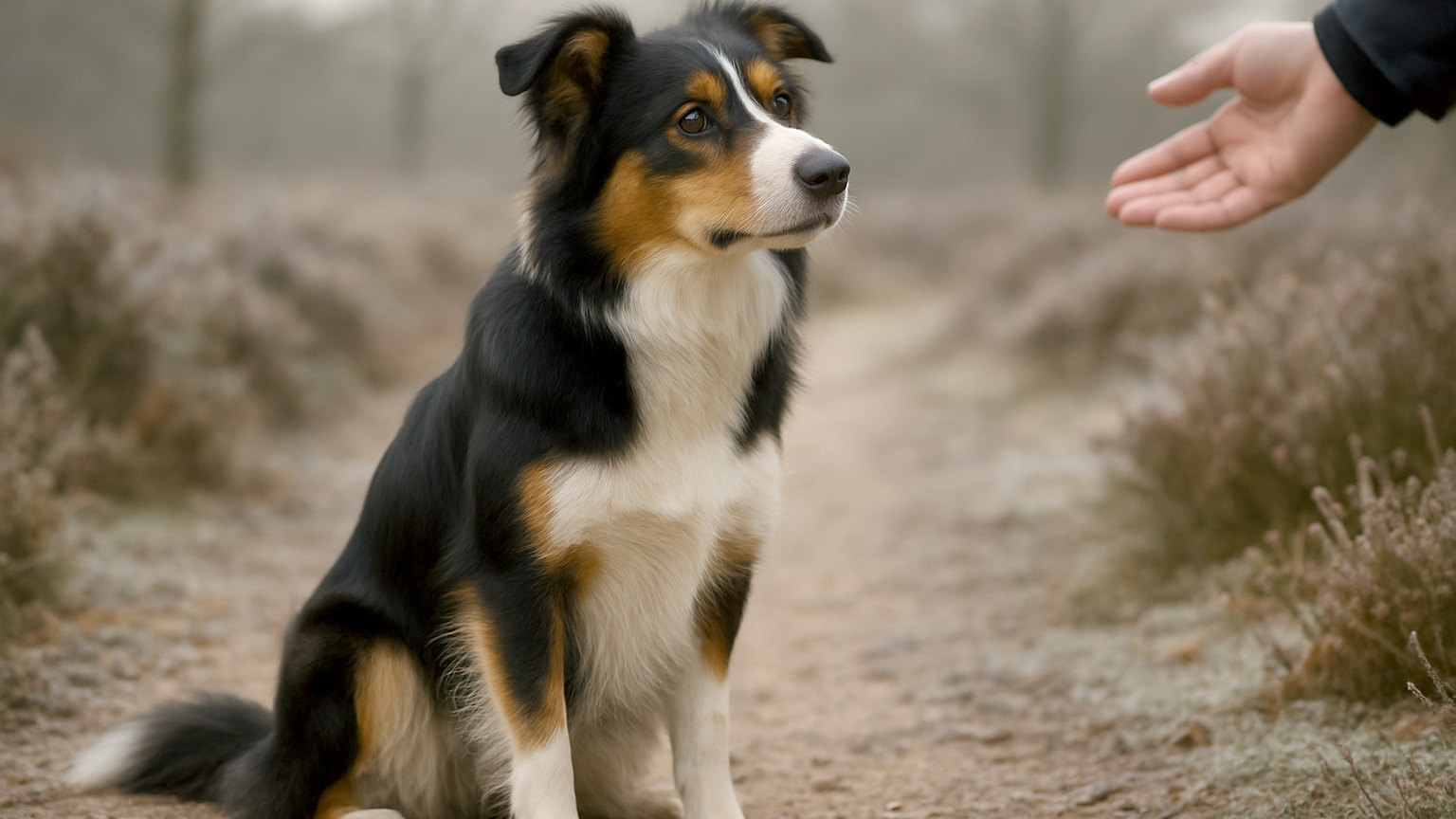
Keep it low impact: nose targeting a hand, chin rest, touching a target with a paw, finding a named toy. None requires jumping or fast movement.
Five minutes is plenty. Finish while the dog is still keen, and be patient if it takes longer to grasp than it once did.
How do you adapt walks?
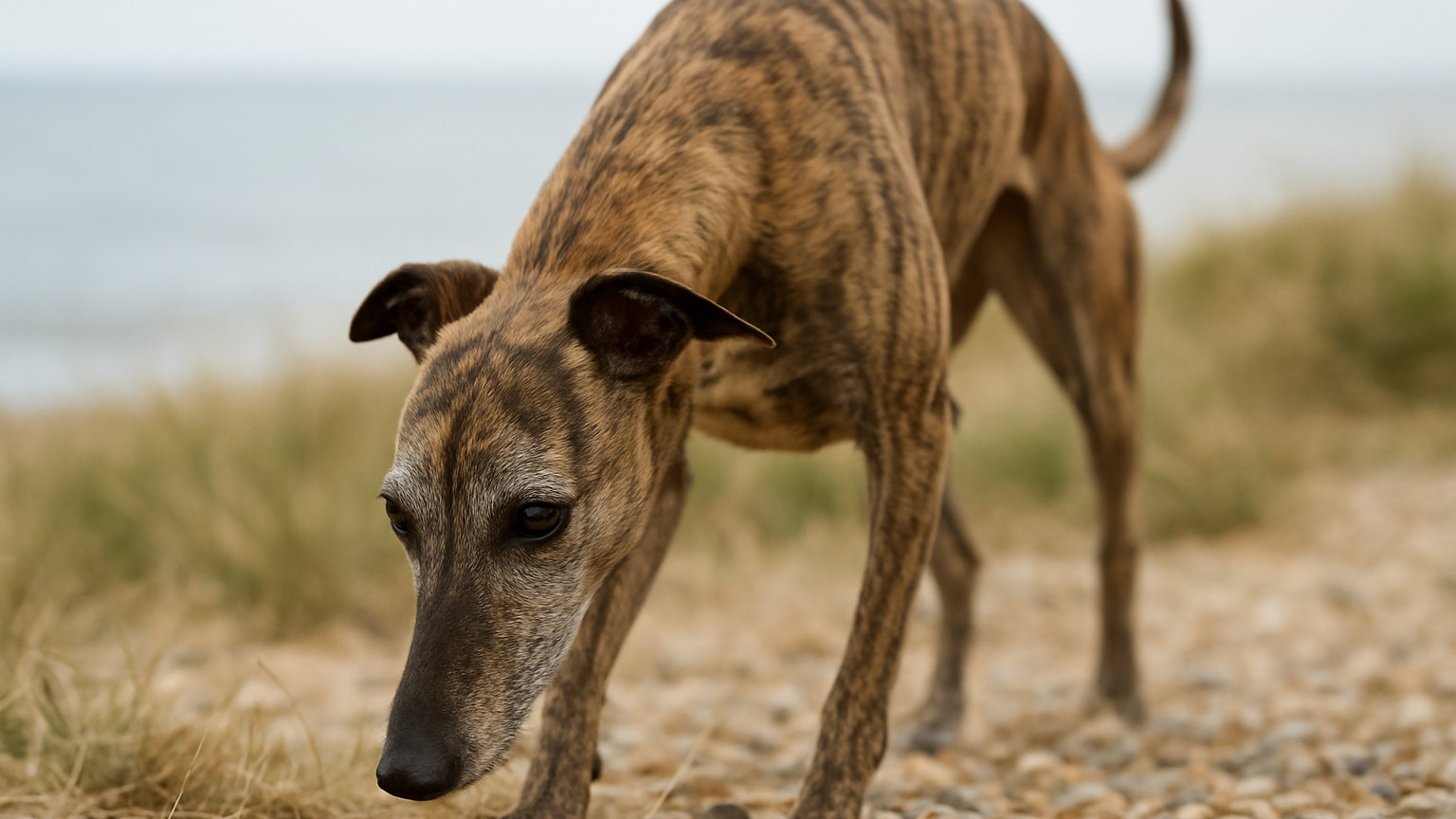
Prioritise sniffing over distance. A slow twenty-minute walk where the dog investigates every hedge is more valuable than a brisk mile.
Vary the route where the dog is confident enough, since new scent information is stimulating. For dogs with cognitive decline or failing sight, familiar routes are usually better.
Several short outings suit older dogs better than one long walk, which causes stiffness the following day.
What about dogs with failing senses?
Scent work becomes more valuable rather than less, since smell is usually the last sense to decline.
For deaf dogs, use visual and scent-based games. For blind dogs, keep the environment consistent and use scent trails and sound-making toys.
Avoid startling either, and give plenty of time rather than hurrying.
Does diet play a part?
There is reasonable evidence for diets formulated for brain ageing, containing antioxidants and specific fats, in supporting cognitive function in older dogs.
These work best combined with enrichment rather than instead of it. Discuss with your vet whether one is appropriate.
How much is enough?
Twenty minutes across the day, broken into short sessions, makes a noticeable difference to how settled a dog is in the evening.
Watch for signs the dog has had enough: turning away, lying down, disengaging. Older dogs tire faster mentally as well as physically, and pushing on achieves nothing.
What should you avoid?
Activities involving jumping, fast turning or repeated impact, which are hard on arthritic joints even when the dog is willing.
Long sessions, since older dogs tire mentally as well as physically. Several short activities beat one extended one.
Frustrating puzzles that are too difficult, which discourage rather than engage. Make them slightly easier than you would for a young dog, so the dog succeeds.
How do you know it is working?
Look at the evening. A dog that has had enough to think about generally settles rather than pacing or becoming restless after dark.
Watch for engagement during activities: a dog that starts a scent game enthusiastically and works at it is getting something from it.
Keep a rough note, since improvement in an older dog is gradual and easy to miss, and it also gives you something concrete to discuss at check-ups.
Does it help with night-time restlessness?
Frequently, and it is one of the more practical reasons to bother. A dog that sleeps all afternoon will be awake at two in the morning.
Spreading gentle mental activity through the day, with daylight exposure where possible, supports the sleep-wake cycle and reduces night pacing.
Keep the last hour before bed calm, using a chew or a lickmat rather than a game, so the dog winds down rather than being stimulated late.