How Much Should You Feed a Dog Each Day?
Packet guidelines are a starting point rather than an instruction, and most dogs need less than the bag suggests.
By Dog Guides Editorial
17 Aug 2026

How much to feed, how often, and how to read a label that is designed not to be read. Overfeeding is the single most common care mistake in UK dogs, and it is quietly behind a great deal of the joint trouble and shortened lifespan seen in the health section.
Packet guidelines are a starting point rather than an instruction, and most dogs need less than the bag suggests.
Dog food labels are designed to be persuasive rather than informative, but a few parts of them genuinely tell you something.
Neither is inherently better. The differences that actually matter are hydration, calorie density, cost and how fussy the dog is.
Several common household foods are genuinely dangerous to dogs, and with most of them the right time to ring a vet is before symptoms appear.
Twice daily suits most adult dogs, but frequency matters more for puppies, small breeds and deep-chested dogs at risk of bloat.
Most owners of overweight dogs believe their dog is a healthy weight. Learning to assess by feel is the single most useful skill here.
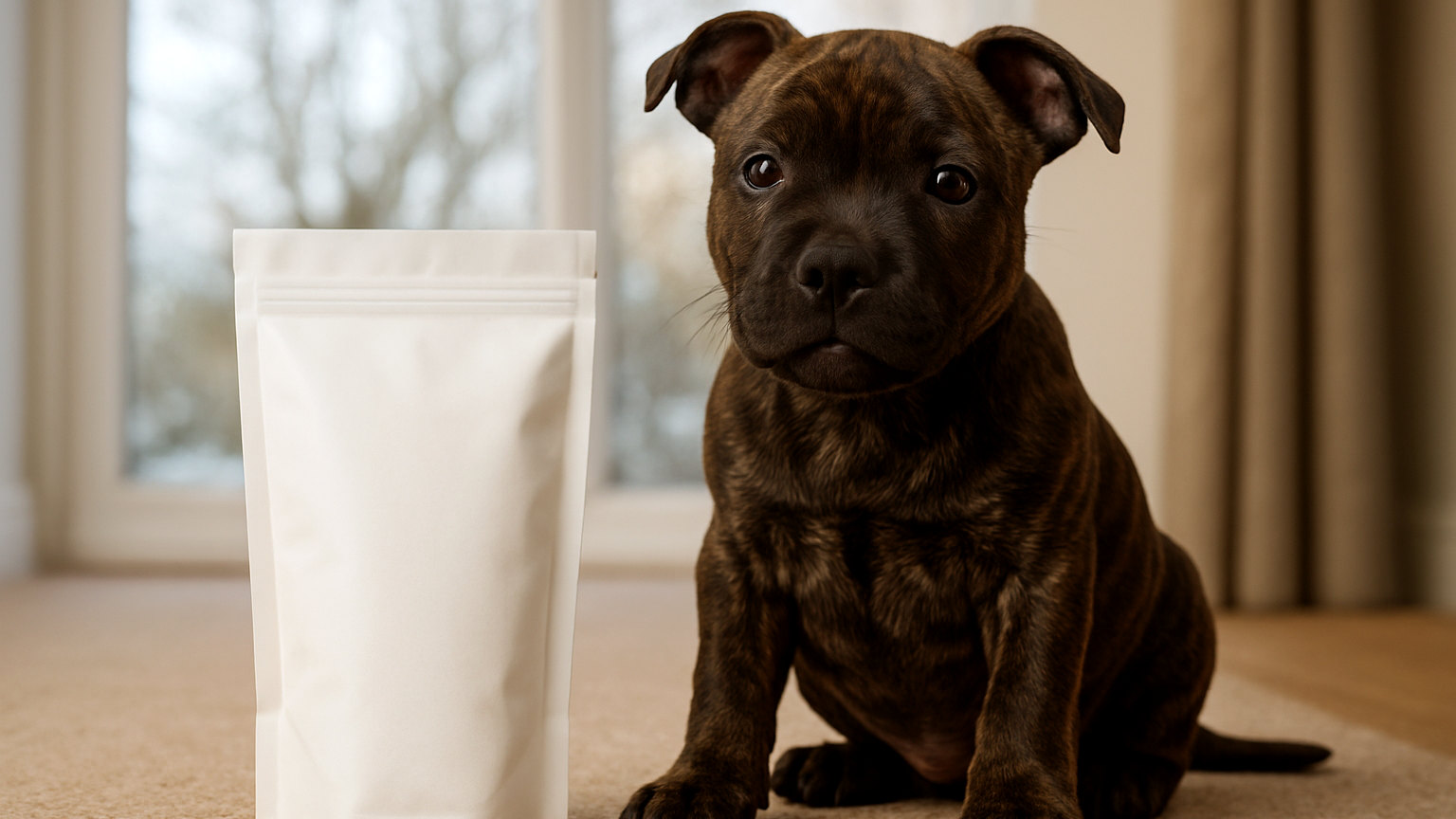
Puppy feeding is one of the few areas where getting it wrong causes lasting physical damage, particularly in large breeds.
Raw feeding is popular and contested. The claimed benefits are largely unproven, and the hygiene risks are well documented.
Most digestive upsets after a food change are caused by changing too quickly. A week of gradual transition prevents almost all of them.
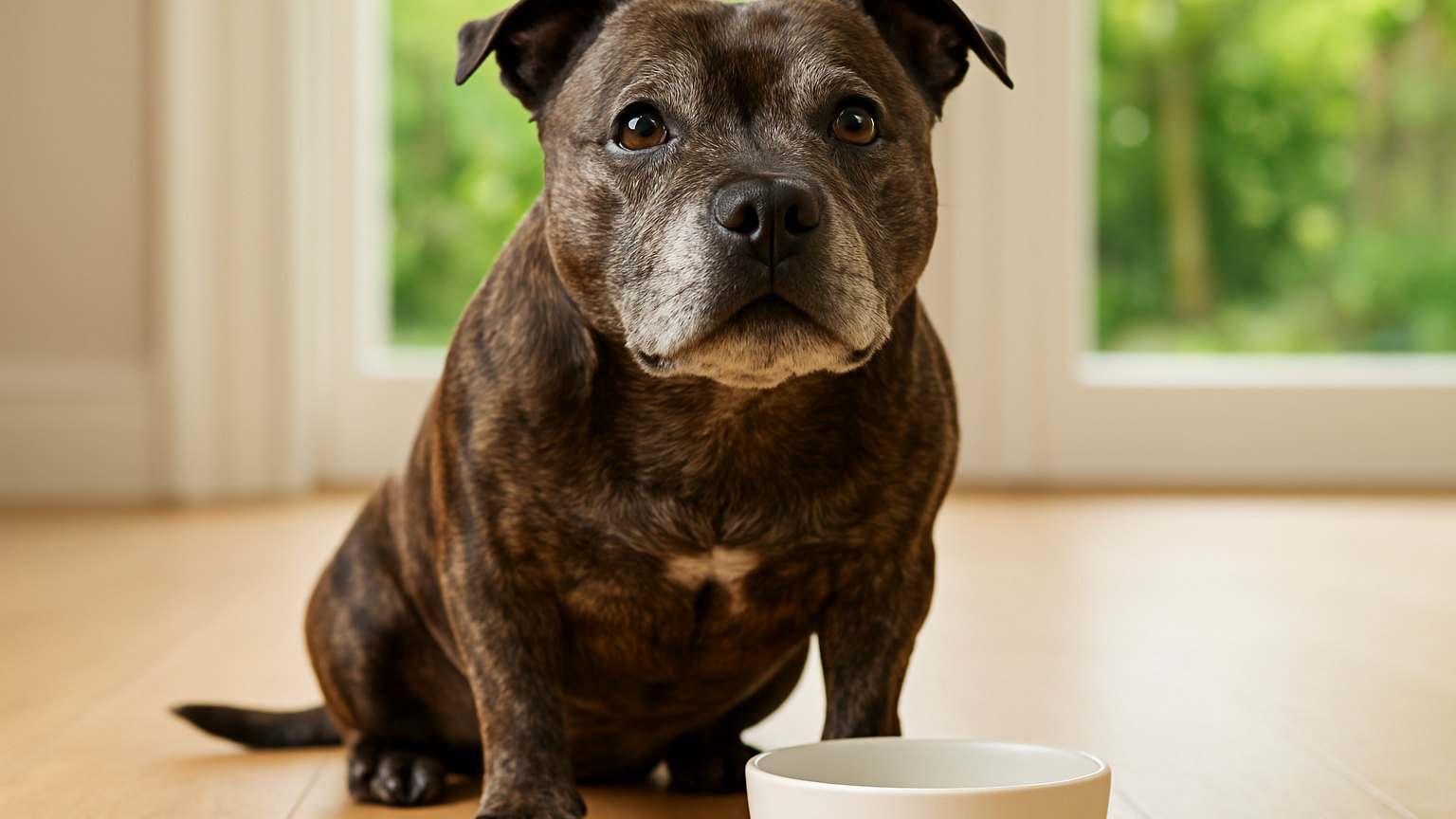
Older dogs need adequate protein rather than less of it, which reverses advice many owners were given years ago.
Grain-free became popular on the assumption that grain is harmful. For most dogs it is not, and the research has raised separate questions.
Treats are the most commonly uncounted calories in a dog's day, and they are why a great many careful feeding plans quietly fail.