What Is Separation Anxiety in Dogs?
Separation anxiety is a panic response rather than naughtiness, which is why telling the dog off reliably makes it worse.
By Dog Guides Editorial
24 Apr 2026

Genuine separation anxiety is a panic response rather than misbehaviour, which is why crating a distressed dog usually makes it worse. Treatment is gradual, measured in seconds at first, and works best when the dog is never left longer than it can currently cope with.
Separation anxiety is a panic response rather than naughtiness, which is why telling the dog off reliably makes it worse.
You cannot diagnose this from the damage. Recording what happens in the first twenty minutes tells you almost everything.
Separation problems are considerably easier to prevent than to treat, and the work takes minutes a day in the first few weeks.
Treatment works by never letting the dog become distressed, which means arranging cover so it is not left beyond what it can manage.
Where the damage happens tells you a great deal: exits point to anxiety, while scattered destruction usually points to boredom.
Howling is contact calling, which is why it usually starts within minutes of your leaving rather than hours later.
It occasionally helps and frequently does not, because most anxious dogs are missing a specific person rather than company in general.
For most anxious dogs a crate makes things considerably worse, and the injuries from attempted escape can be serious.
Medication does not cure separation anxiety and can lower the panic enough for behavioural work to actually take effect.
Four hours is the figure most UK welfare organisations use for an adult dog, and puppies and older dogs need considerably less.
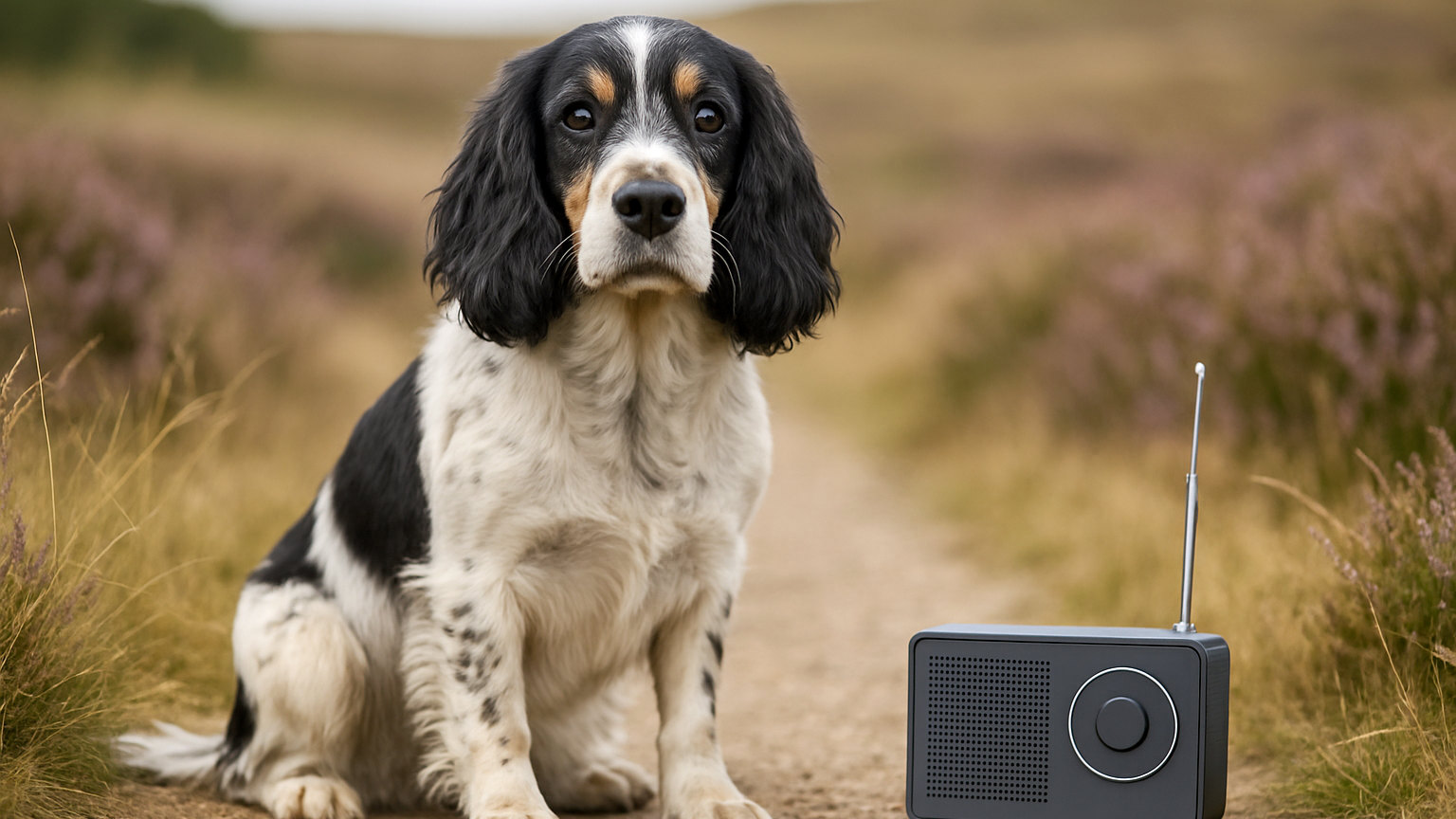
Background sound genuinely helps some dogs by masking outside noise, though it manages the problem rather than treating it.
Sudden onset in an adult dog usually has an identifiable trigger, and in an older dog it is frequently medical.