How Often Should You Groom a Dog?
Grooming frequency depends almost entirely on coat type, and the gap between what a smooth coat needs and a curly one is enormous.
By Dog Guides Editorial
24 Jul 2026

Brushing frequency by coat type, what a groomer does that you cannot, and how to handle nails, ears and baths without a fight. Matting is painful rather than merely untidy, and in double-coated breeds it is a genuine welfare issue rather than a cosmetic one.
Grooming frequency depends almost entirely on coat type, and the gap between what a smooth coat needs and a curly one is enormous.
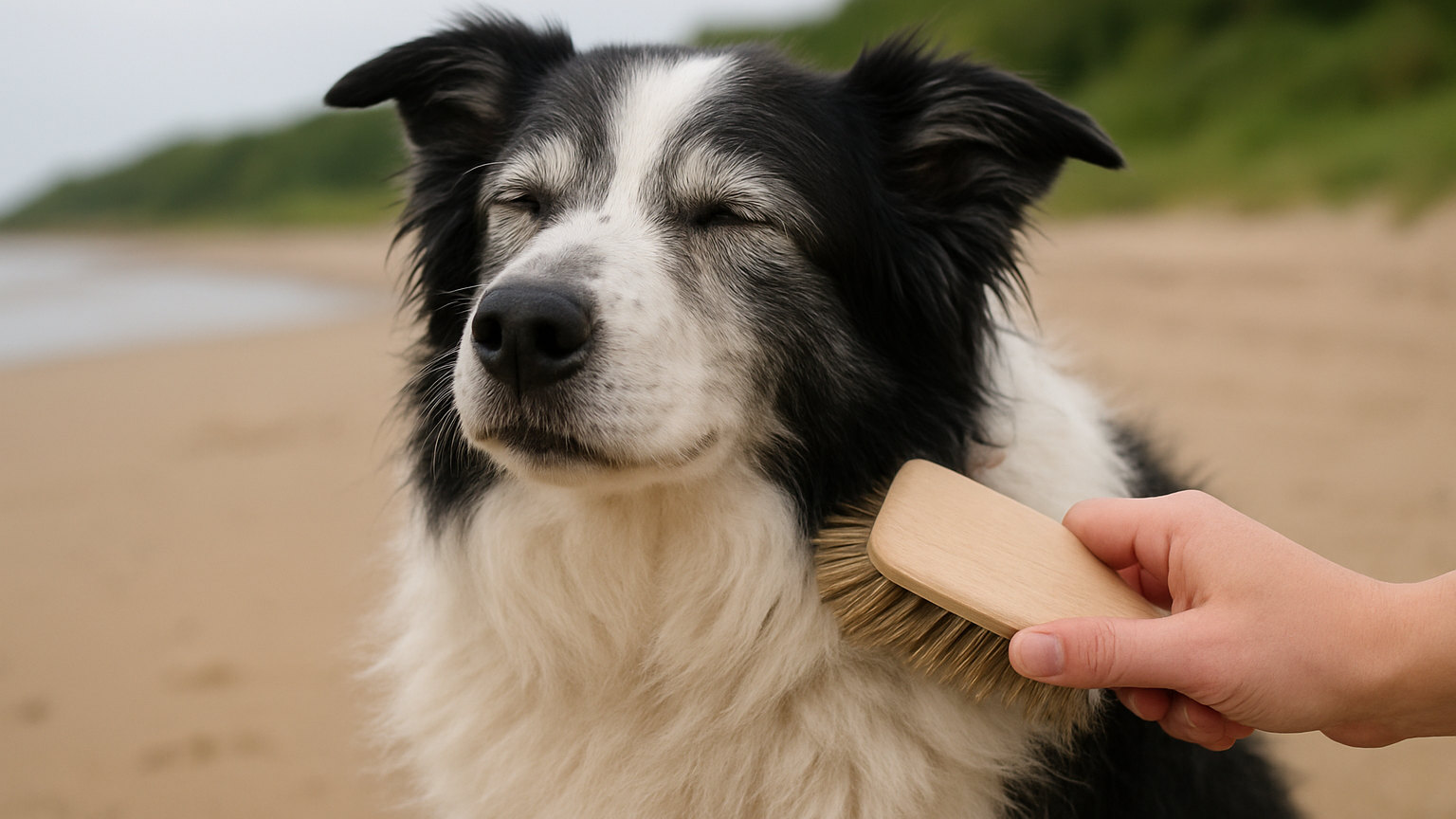
Most owners brush the top of the coat and stop. The layer that actually matters sits underneath, and reaching it takes a different technique.
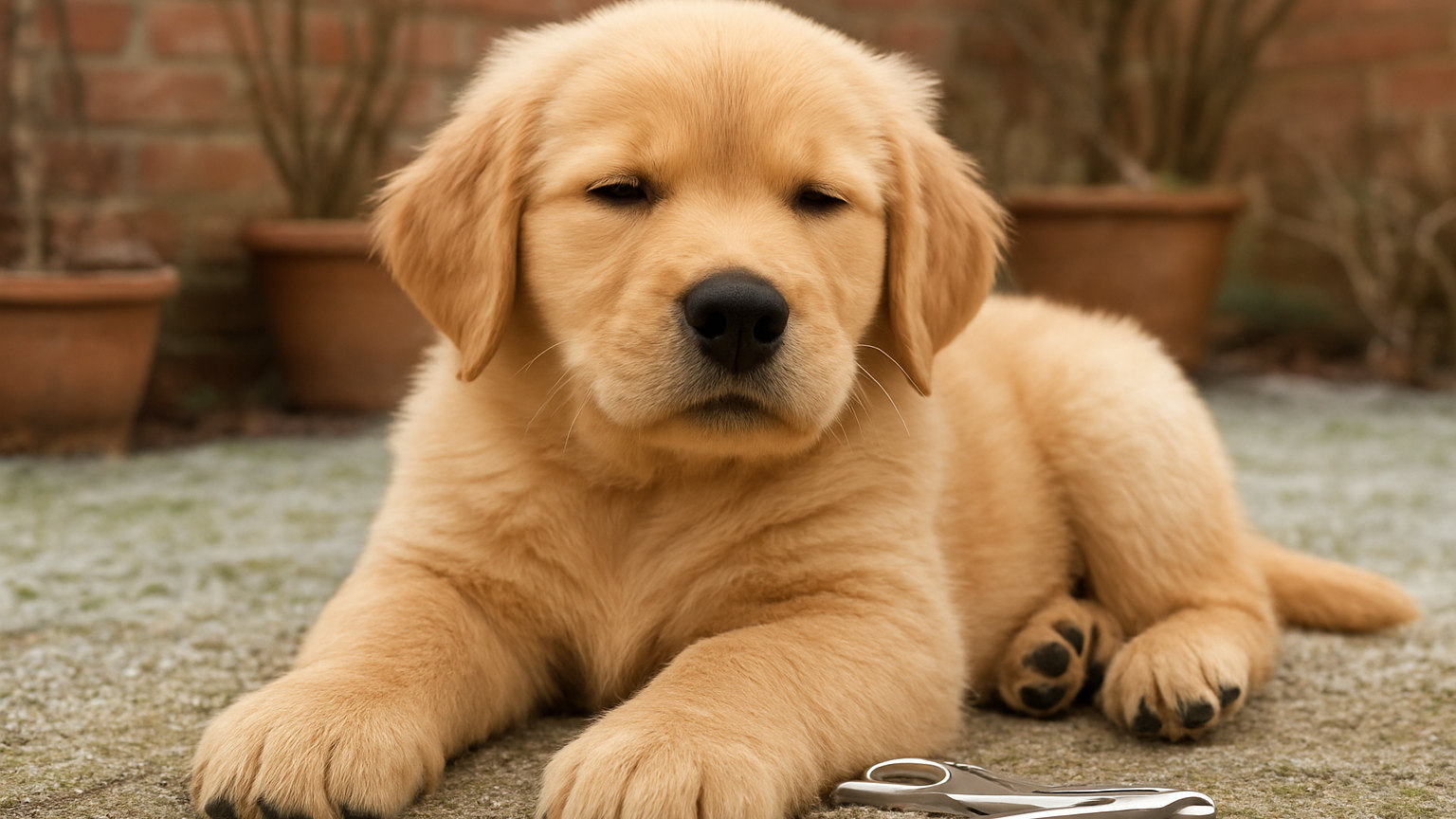
Overlong nails change how a dog stands and walks. Clipping is straightforward once you know where the quick sits and how to avoid it.
Most dogs need bathing far less often than people assume, and washing too frequently causes more skin problems than it solves.
Matting is painful rather than untidy, and the instinct to cut mats out with scissors causes some of the worst injuries groomers see.
Healthy ears often need no cleaning at all, and routine cleaning of ears that do not need it can cause the problems it aims to prevent.
Most owners own several brushes and use the wrong one. Four or five items cover almost every coat, and one of them is not a brush.
A dog that fights grooming is usually frightened rather than difficult, and forcing the issue reliably makes it worse.
A groomer does more than trim a coat. Choosing one well, and being honest with them, makes a considerable difference to the outcome.
Shaving a double coat to keep a dog cool usually achieves the opposite, and the regrowth may never be the same again.
The work that makes a dog easy to groom for life is done in the first few weeks, and almost none of it involves actually grooming.
A dog that smells shortly after a bath almost always has a medical reason, and washing it again will not help.