Every summer, groomers have the same conversation with owners who want a double-coated dog shaved to keep it cool. The instinct is kind and the reasoning is wrong, and the consequences can be permanent.
What is a double coat?
Two distinct layers. A dense, soft undercoat close to the skin, and a longer, coarser topcoat of guard hairs over it.
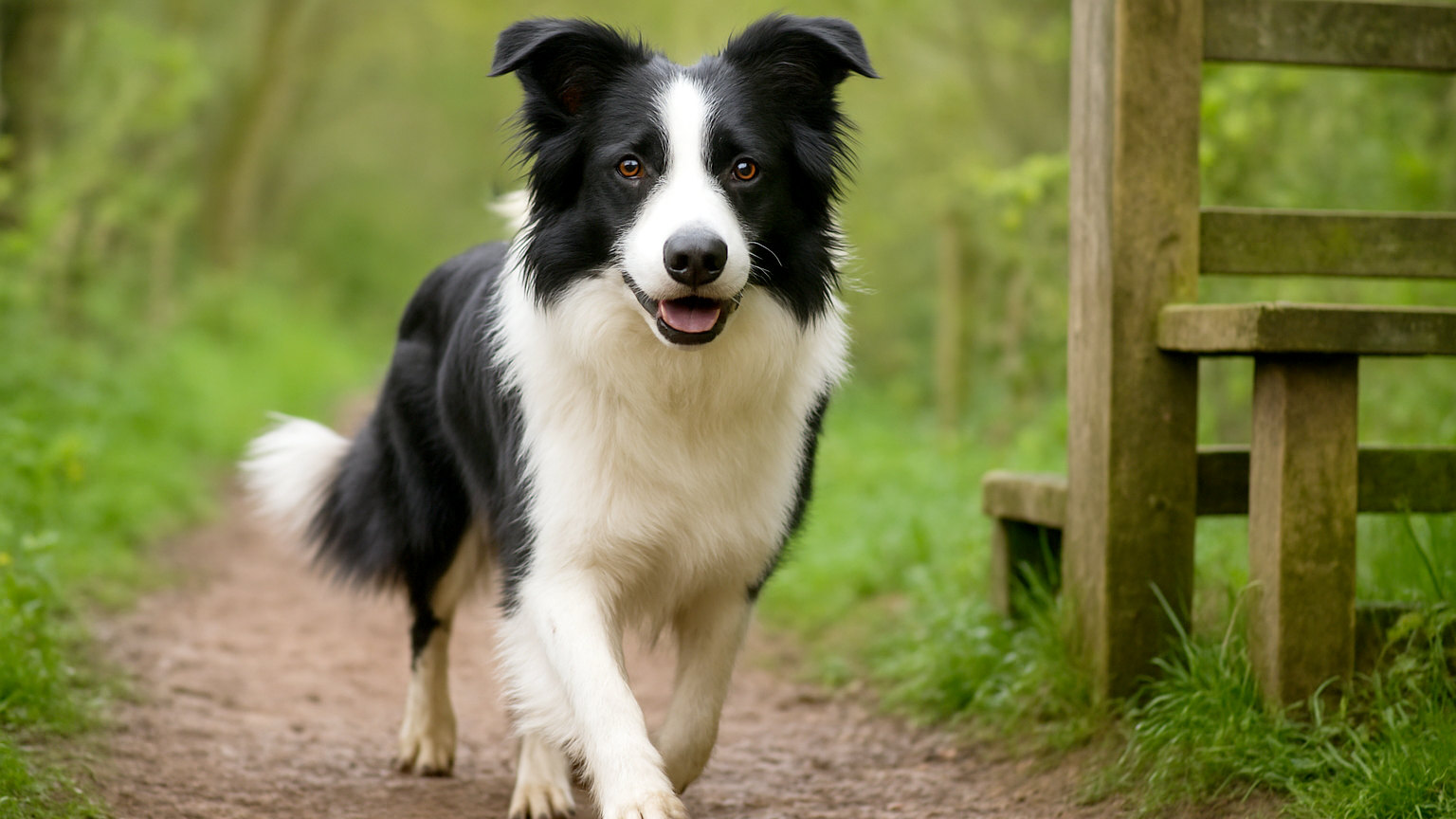
Breeds with double coats include German Shepherds, Golden Retrievers, Labradors, Border Collies, Huskies, Newfoundlands, Bernese Mountain Dogs, Shetland Sheepdogs and many others.
These are the breeds that shed heavily and blow their coat seasonally, which is exactly why owners consider shaving.
Why does the coat keep a dog cool?
Because the undercoat is an insulating layer, and insulation works both ways. It slows heat transfer inwards as well as outwards, in the same way loft insulation keeps a house cool in summer.
The topcoat also reflects sunlight and shields the skin. A shaved dog has neither, so heat reaches the skin directly.
Dogs do not cool through their skin the way people do. They cool by panting, and shaving does not help with that at all.
What are the risks of shaving?
Sunburn is immediate and real, particularly in pale-skinned dogs, and repeated sun damage raises skin cancer risk.
Overheating can worsen rather than improve, since the coat is no longer moderating the temperature at the skin.
The most lasting problem is coat damage. Shaving can disrupt the growth cycle so the undercoat regrows faster and thicker than the guard hairs, producing a patchy, woolly coat that mats more and never regains its texture.
This is sometimes called clipper alopecia or post-clipping alopecia, and in some dogs the coat never fully recovers.
Are there exceptions?
Yes, and they are medical rather than seasonal. Severe matting where clipping is the kindest option. Surgery requiring a clipped area. Skin conditions where a vet needs access to treat.
Some elderly or ill dogs who can no longer tolerate grooming may be better clipped for welfare reasons, which is a decision made with a vet.
Convenience and heat are not exceptions.
What should you do instead?
Deshed thoroughly. Removing the dead undercoat with an undercoat rake dramatically improves airflow to the skin while leaving the protective structure intact.
A professional deshedding treatment before summer removes a remarkable volume of loose undercoat and is the single most effective thing you can do.
Brush several times a week through moulting season, and daily at peak. The dead undercoat is what traps heat, not the coat itself.
How else can you keep a dog cool?
Walk early morning and late evening, avoiding the middle of the day entirely. Provide shade and plenty of water, and use a cooling mat indoors.
A damp towel laid over the dog, or a cooling coat that works by evaporation, is far more effective than removing hair. Paddling pools suit many dogs.
Watch for heavy panting, bright red gums, drooling, wobbliness or collapse, all of which indicate overheating and need immediate cooling and veterinary attention.
Which coats can be clipped safely?
Single-coated breeds such as Poodles, Bichons, Shih Tzus, Maltese and most Poodle crosses. These have continuously growing hair rather than a shedding double coat, and clipping is part of normal maintenance.
If you are unsure which your dog has, ask a groomer before booking anything short.
What if a dog has already been shaved?
Do not panic, since many dogs regrow normally. Protect the skin from sun with shade and limited midday exposure, and keep the dog warm in cold weather until the coat returns.
Expect regrowth to take months, and often longer in older dogs. The undercoat frequently returns first, which is why the coat can look woolly and patchy for a period.
Brush regularly through regrowth, since the new soft undercoat coming through the remaining topcoat mats readily. If the coat has not recovered after a year, mention it to a vet, as some skin and hormonal conditions cause similar patterns.