How Much Exercise Does a Dog Need Each Day?
The honest answer ranges from thirty minutes to well over two hours, and what a dog was bred to do predicts it far better than what it weighs.
By Dog Guides Editorial
2 Jul 2026

How much a dog actually needs by breed and age, why puppies need considerably less than people assume, and why sniffing is worth more than distance. A dog that is walked far but never allowed to use its nose is frequently still under-stimulated at the end of it.
The honest answer ranges from thirty minutes to well over two hours, and what a dog was bred to do predicts it far better than what it weighs.
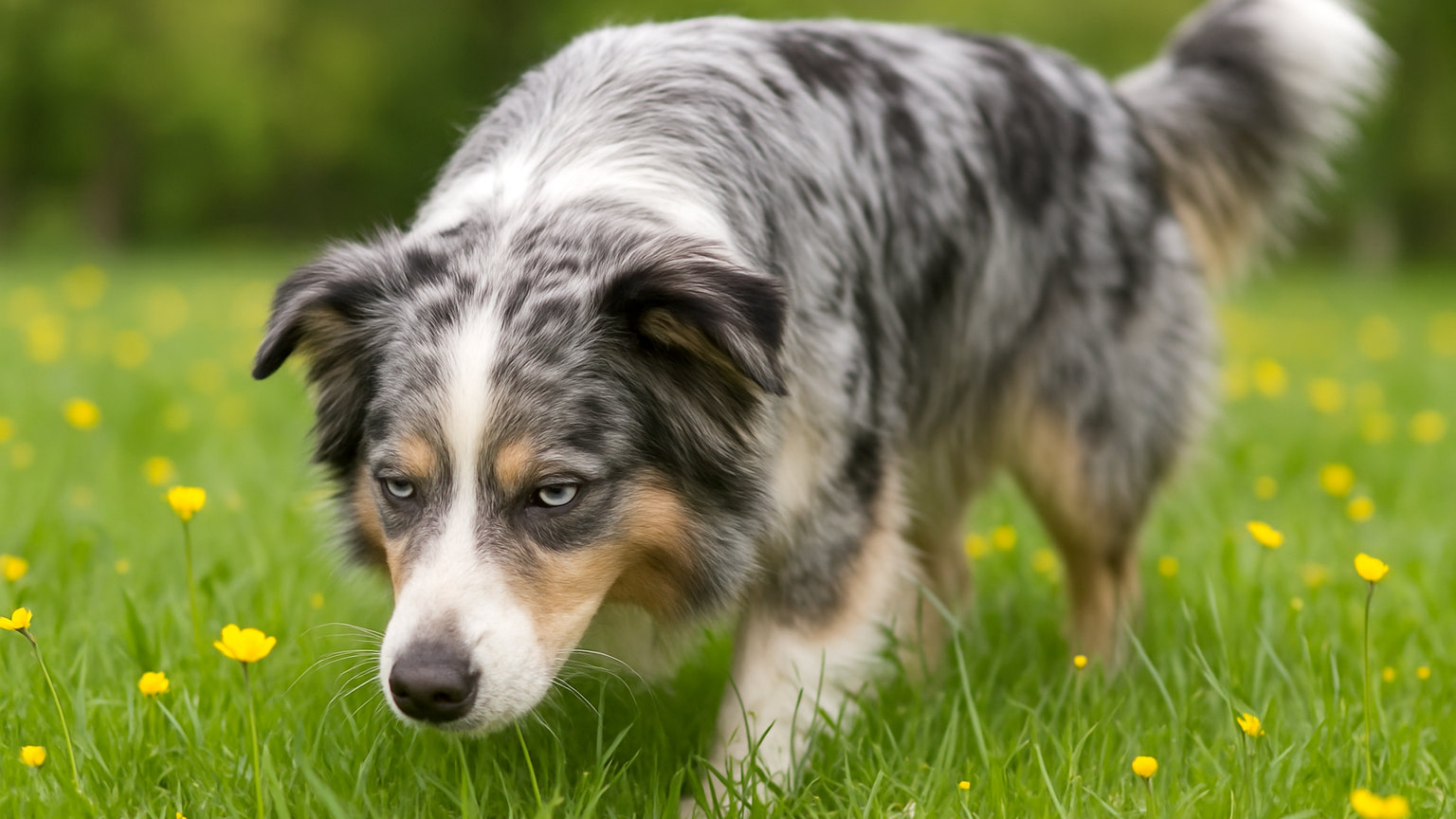
A good walk is measured by what the dog got to do rather than how far it went, and sniffing is worth more than pace.
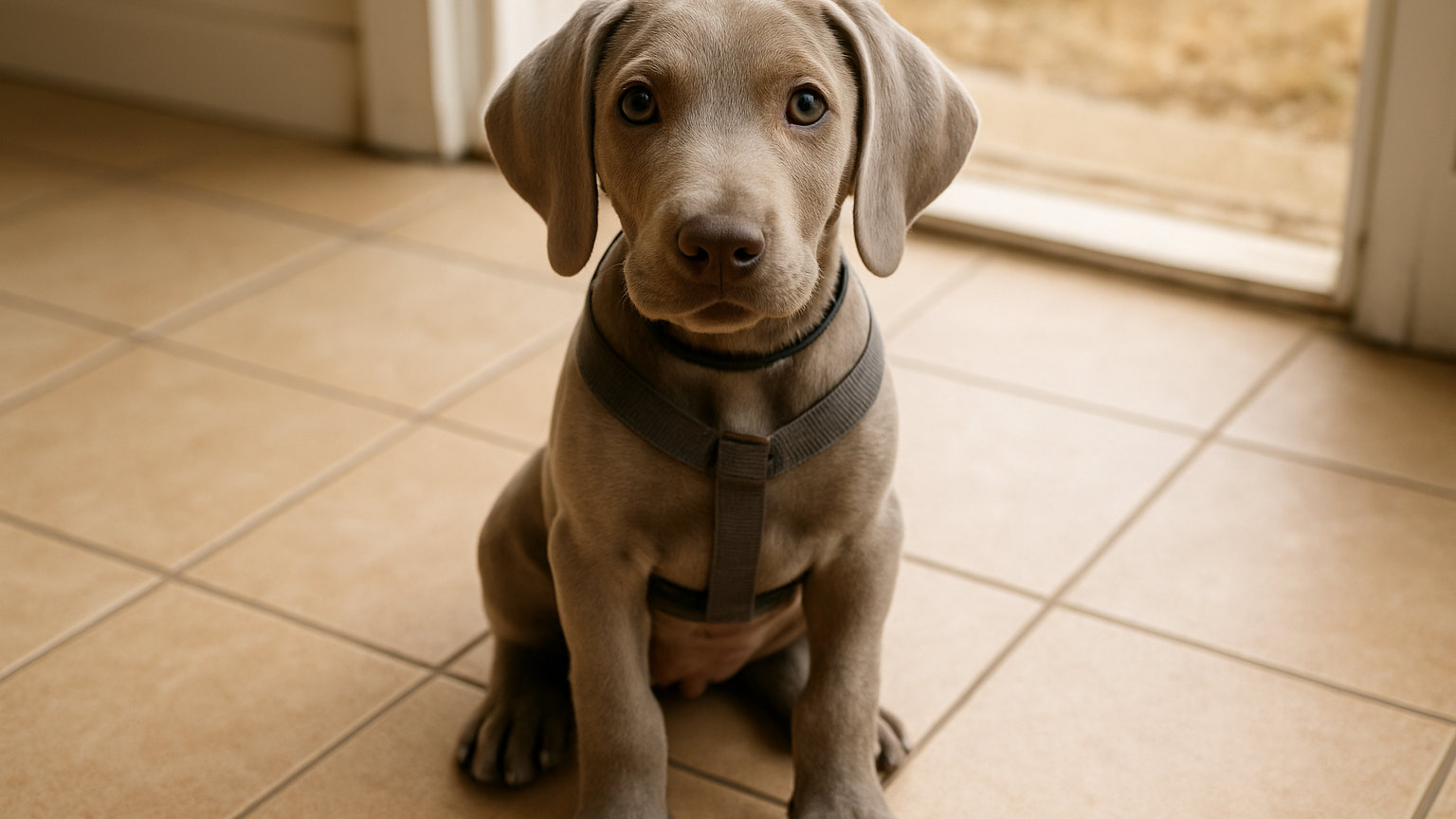
Puppies can go out before they can walk, and the weeks spent waiting for vaccinations are the most important of their lives.
A harness is the safer attachment point for almost every dog, though the law still requires a collar and tag in public.
Off-lead freedom is earned rather than granted, and for some breeds a long line in a safe field is the honest answer permanently.
Dogs die of heatstroke in Britain every summer, and exercise is a more common cause than parked cars.
Winter walking is mostly manageable, but road salt, antifreeze and frozen water account for a steady stream of avoidable emergencies.
Livestock worrying is a criminal offence, and a dog does not have to touch an animal for it to count.
Twenty minutes of nose work settles most dogs more effectively than an extra mile, which is useful on days when walking is impossible.
Most healthy adult dogs can run, but the ones that should not are numerous, and the age you start matters more than anything else.
Rest is not the answer for arthritis. Regular gentle movement maintains the muscle that supports the joints, and stopping makes things worse.
Fetch is not banned, but repetitive high-speed ball throwing causes joint strain, arousal problems and occasional fatal accidents.