Letting a dog off the lead is one of the great pleasures of ownership and one of the most common ways dogs come to harm. The decision deserves more thought than it usually gets.
What has to be in place first?
A recall that works when it matters, which means when the dog is distracted rather than in an empty field. If the dog only comes back when nothing else is happening, it is not ready.
Test it deliberately: can you call the dog away from another dog, from a scent, from a person eating? If not, keep working on a long line.
The dog should also be microchipped with current details and wearing a collar and tag, which is a legal requirement in a public place.
How do you build up to it?
With a long line, which gives freedom while retaining control. Use five to ten metres attached to a harness, let it trail, and practise recall repeatedly with high-value rewards.
Move to a secure fenced field before open ground. These are widely available to hire across the UK and are genuinely useful for dogs with unreliable recall.
When you first go off lead, choose somewhere enclosed, quiet and away from roads, and keep the session short and successful.
Where is a lead legally required?
In more places than many owners realise. Councils can impose Public Spaces Protection Orders requiring dogs on leads in specific areas, excluding them from others such as playgrounds and some beaches, or limiting the number one person can walk.
These vary by council and carry fixed penalty fines. Check signage, since the rules differ between neighbouring areas.
On open access land, dogs must be on a short lead between the start of March and the end of July to protect ground-nesting birds, and at any time near livestock.
Some roads are designated for dogs on leads, and rules apply on most railway land and in many nature reserves.
What about livestock?
Always on a lead near livestock, without exception. Livestock worrying is a criminal offence and a farmer may in some circumstances lawfully shoot a dog worrying stock.
Worrying does not require the dog to make contact. Chasing is enough, and it causes sheep to abort and can kill through stress alone.
The one exception is if you are chased by cattle, in which case release the dog so it can escape and you can too. Cattle are more likely to charge a person with a dog on a lead.
Which dogs should not go off lead?
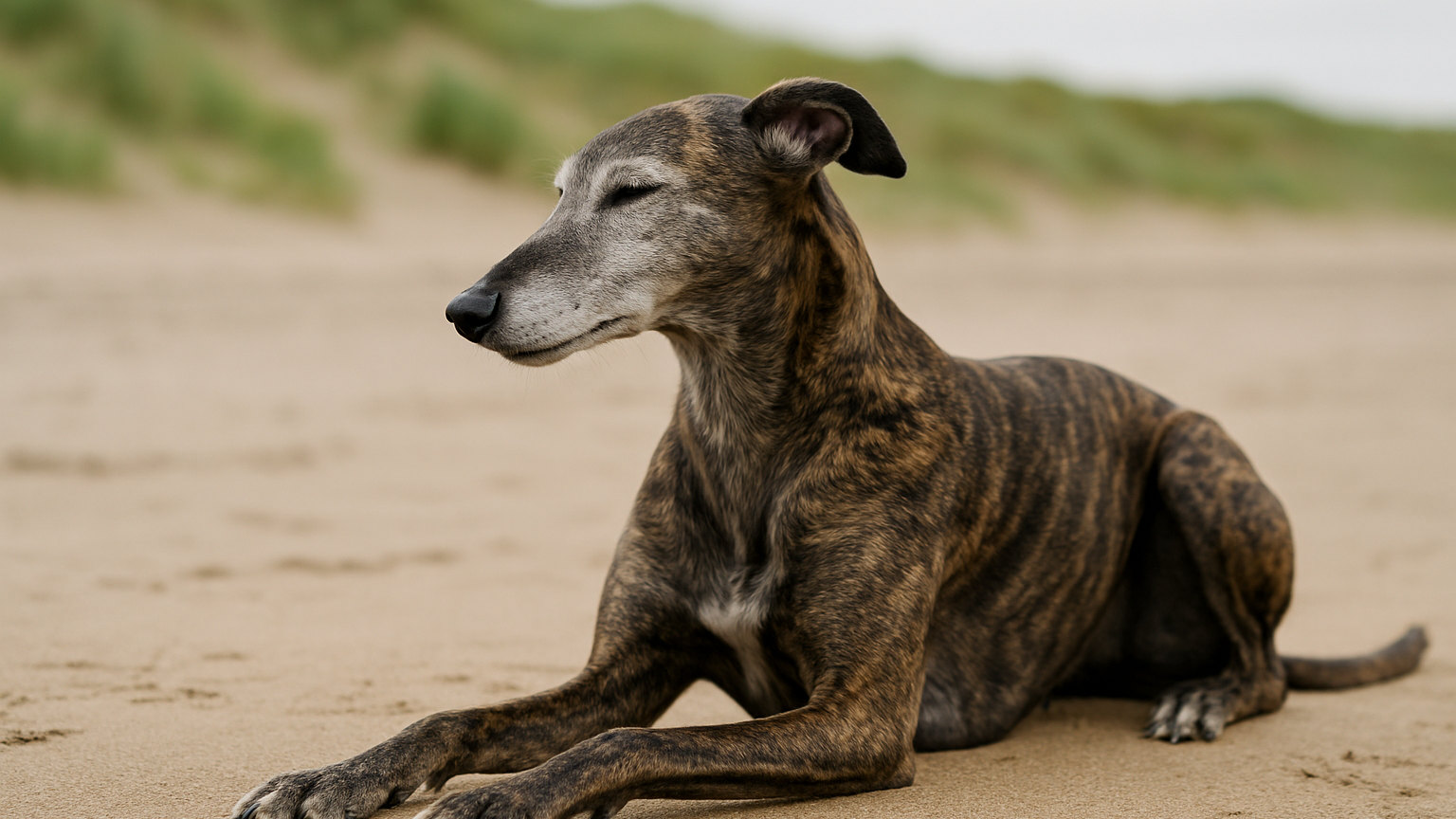
Sighthounds in unenclosed spaces, since a Greyhound or Whippet in pursuit is travelling faster than any recall can reach. Many owners use secure fields exclusively and that is a sensible choice.
Scent hounds such as Beagles and Bassets, which follow a trail and become effectively deaf. Terriers with strong prey drive near wildlife or livestock.
Dogs that are reactive to other dogs or people, and dogs in a new home that have not yet bonded. Adolescent dogs going through the phase where recall temporarily collapses.
What else should you consider?
Other people. Not everyone is comfortable around dogs, and a friendly dog running up to a stranger, a child or a nervous dog on a lead is a genuine problem regardless of its intentions.
Recall the dog and put it on a lead when you see another dog on one, since a lead frequently means that dog needs space.
What if recall fails?
Do not chase, which turns it into a game the dog wins. Move away in the opposite direction, crouch down, or make an excited noise to bring the dog back to you.
Never punish a dog that comes back late, however frustrating, because the dog associates the telling off with returning rather than with leaving.
How do you build a recall worth relying on?
Pay generously. Recall should earn something better than anything else available: chicken, cheese or a favourite toy rather than ordinary kibble.
Practise on a long line first, calling when the dog is already heading your way so it succeeds, and gradually adding distraction.
Never call the dog only to end the walk, since it quickly learns that coming back means the fun stops. Call it back several times during a walk, reward, and release it again.