When Should Puppy Training Start?
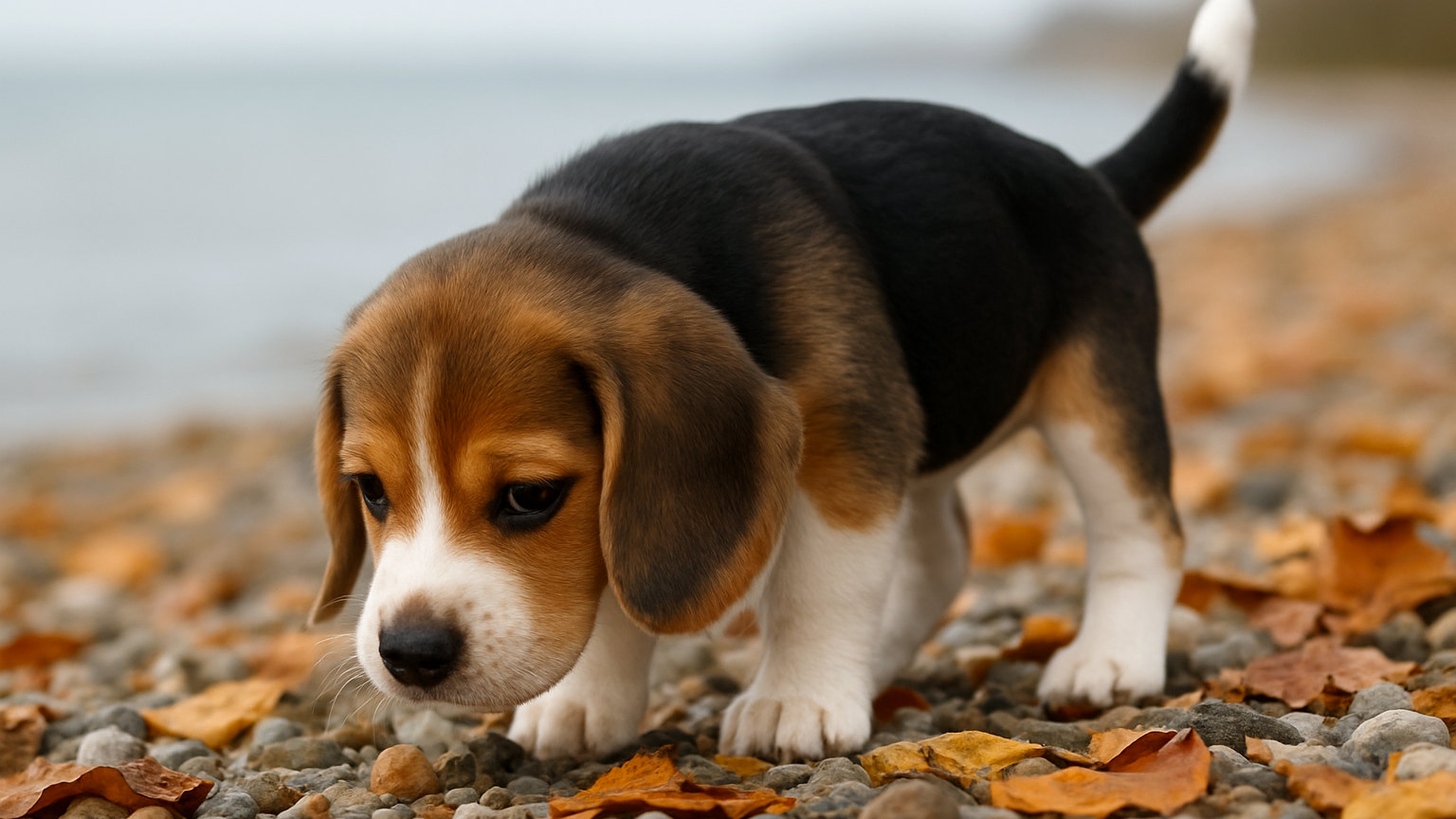
Training starts the moment the puppy arrives, because it is learning constantly whether you are teaching it or not.
By Dog Guides Editorial
11 Aug 2026

Training advice is where dog ownership gets loudest, and a lot of what is still repeated confidently comes from a dominance model that the behavioural evidence stopped supporting decades ago. These guides use reward-based methods, explain why the dog is doing the thing before telling you how to change it, and give honest timescales, because most problems take weeks of short daily sessions rather than one dramatic breakthrough. Where a problem needs a qualified behaviourist rather than a website, we say so.
Training starts the moment the puppy arrives, because it is learning constantly whether you are teaching it or not.
Socialisation is not about meeting as many dogs as possible. It is about a puppy learning that ordinary life is unremarkable.
Puppy biting is normal and temporary, and the most common reason it gets worse is that the puppy is exhausted rather than naughty.
A name is not a label but a cue meaning look at me, and the fastest way to ruin it is to use it when telling the puppy off.
Sit is the first thing most people teach and among the least useful. Settling, handling and coping alone matter considerably more.
Dog training is unregulated in the UK, so anyone can run a class, which makes knowing what to look for genuinely important.
A puppy that ignores you at the park has usually not learned the cue properly rather than decided to disobey it.
Settling is a skill rather than a mood, and it is the one most owners never think to teach until the puppy cannot do it.
Chewing is a need rather than a habit, so the solution is providing acceptable outlets rather than trying to eliminate it.
Jumping up is rewarded by almost any reaction, including pushing the puppy away, which is why it persists so effectively.
Lead work starts indoors weeks before the first walk, which is why puppies that begin outside so often learn to pull.
The reward has to be worth more than whatever the puppy would rather be doing, which is why kibble fails outdoors.