Why Does My Dog Growl at Children?
This is the situation where acting immediately matters most, because most bites to children come from a familiar dog in the family home.
By Dog Guides Editorial
7 May 2026

Training advice is where dog ownership gets loudest, and a lot of what is still repeated confidently comes from a dominance model that the behavioural evidence stopped supporting decades ago. These guides use reward-based methods, explain why the dog is doing the thing before telling you how to change it, and give honest timescales, because most problems take weeks of short daily sessions rather than one dramatic breakthrough. Where a problem needs a qualified behaviourist rather than a website, we say so.
This is the situation where acting immediately matters most, because most bites to children come from a familiar dog in the family home.
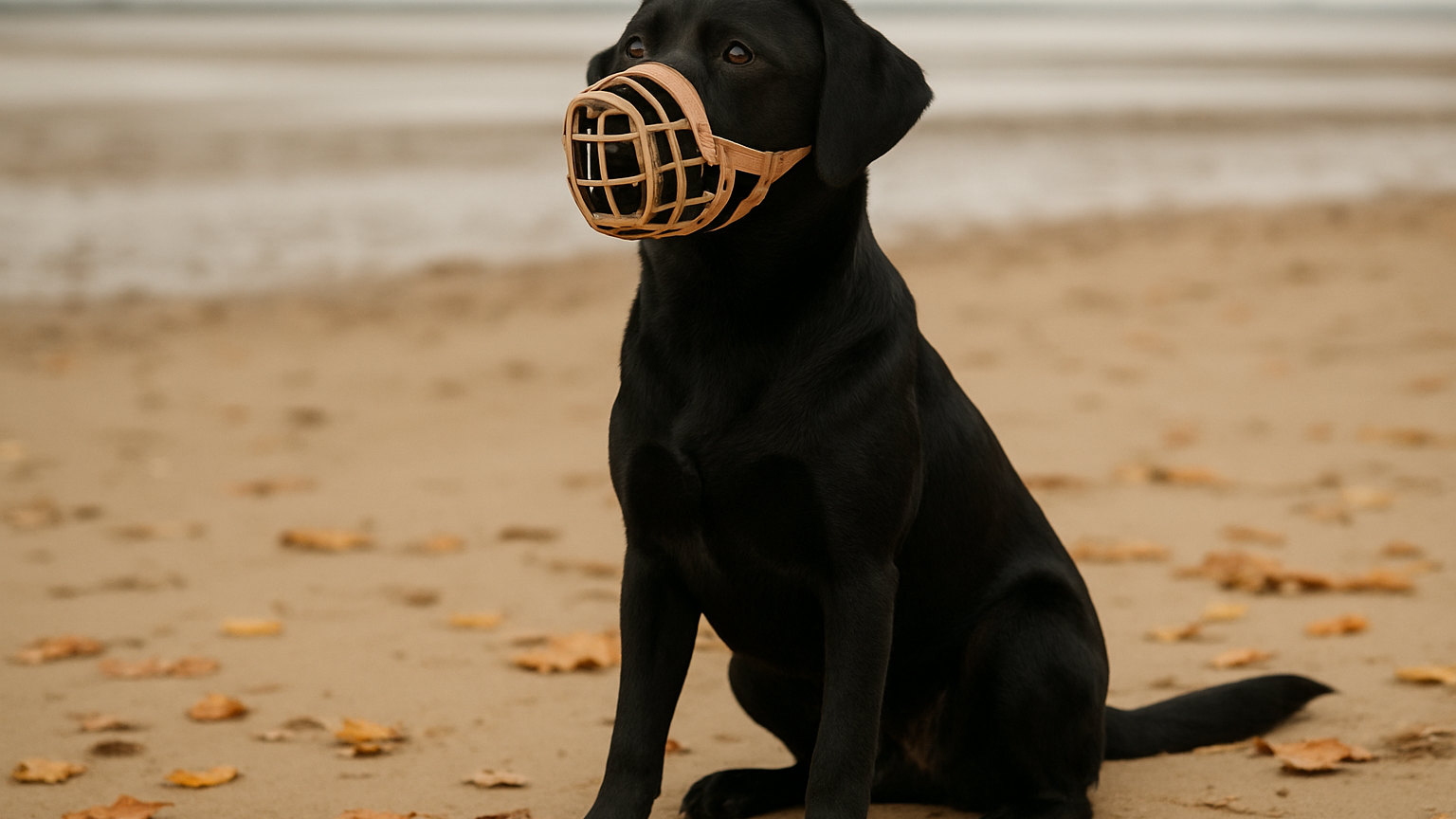
Every dog should be muzzle trained before it needs to be, because the worst time to introduce one is at an emergency vet at midnight.
Deal with the injury first, secure the dog, and then get proper assessment, because a bite that is not investigated tends to happen again.
Most aggression is managed rather than cured, and a well-managed dog can live a completely normal life without the behaviour recurring.
Household conflict usually builds through small tensions long before the first fight, and the warning signs are visible for weeks.
Anyone in the UK can call themselves a behaviourist, which makes checking credentials the most important step you will take.
Pain is involved in a large proportion of canine behaviour cases, which is why every behaviour problem starts with a veterinary examination.
An offence can occur without anyone being bitten, and since 2014 the law applies on private property as well as in public.
Separation anxiety is a panic response rather than naughtiness, which is why telling the dog off reliably makes it worse.
You cannot diagnose this from the damage. Recording what happens in the first twenty minutes tells you almost everything.
Separation problems are considerably easier to prevent than to treat, and the work takes minutes a day in the first few weeks.
Treatment works by never letting the dog become distressed, which means arranging cover so it is not left beyond what it can manage.