How Does Dog Adoption Work in the UK?
Adoption is a matching process rather than a purchase, which is why it takes longer and why applications are sometimes declined.
By Dog Guides Editorial
5 Aug 2026

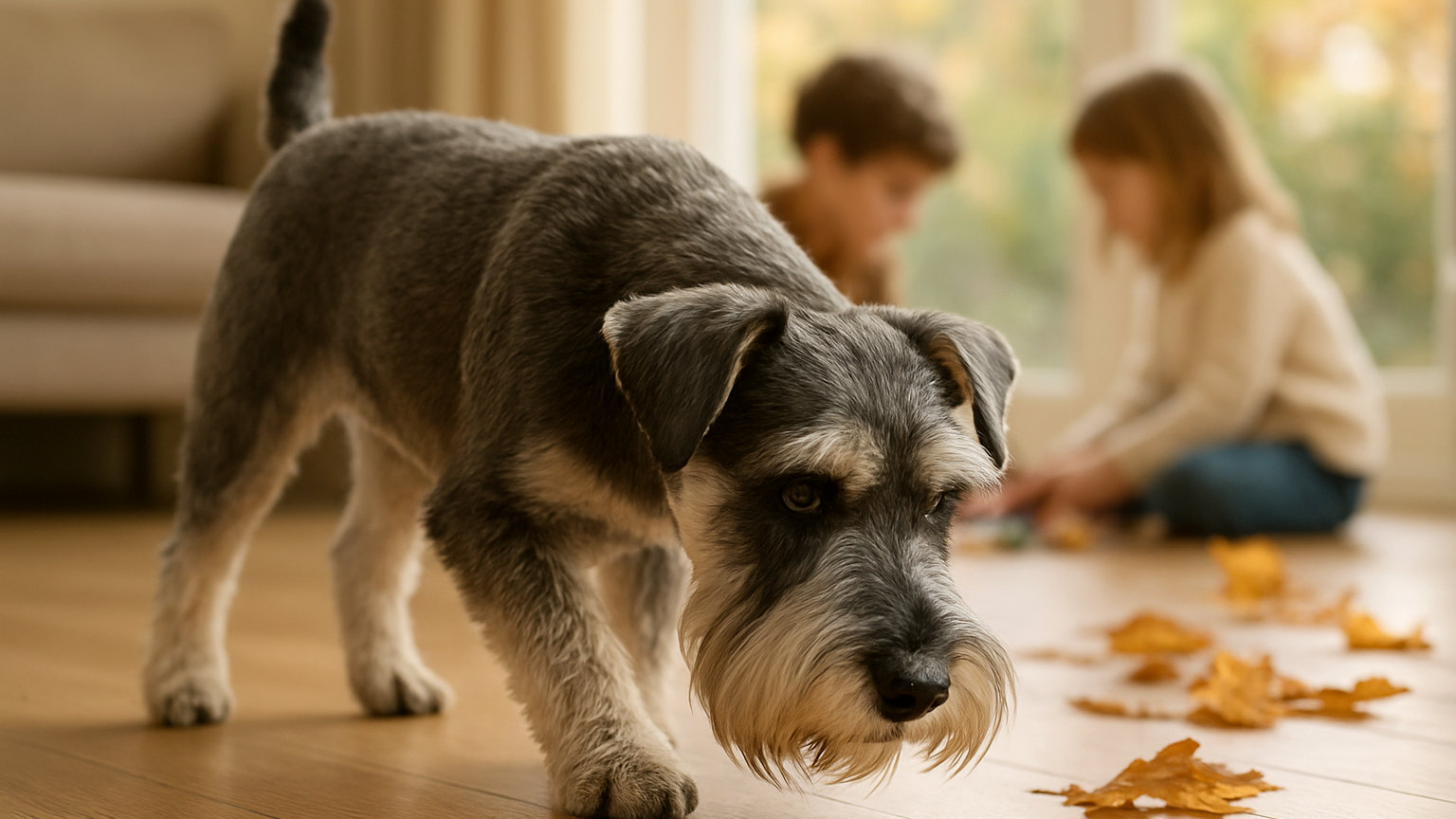
What the rescue process involves, why home checks are less intimidating than they sound, and what centres can and cannot tell you about a dog's history. Adopting an adult means the size, coat and much of the temperament are already known rather than hoped for.
Adoption is a matching process rather than a purchase, which is why it takes longer and why applications are sometimes declined.
National charities, breed-specific rescues, small independents and council pounds all rehome dogs, and they work quite differently.
Ask what the dog is actually like to live with rather than whether it is friendly, because every dog in a kennel is described as friendly.
Nobody is judging your housekeeping. The assessor is checking the garden is secure and that the household understands what they are taking on.
Most refusals are about the individual dog rather than the applicant, and being declined for one dog says nothing about the next.
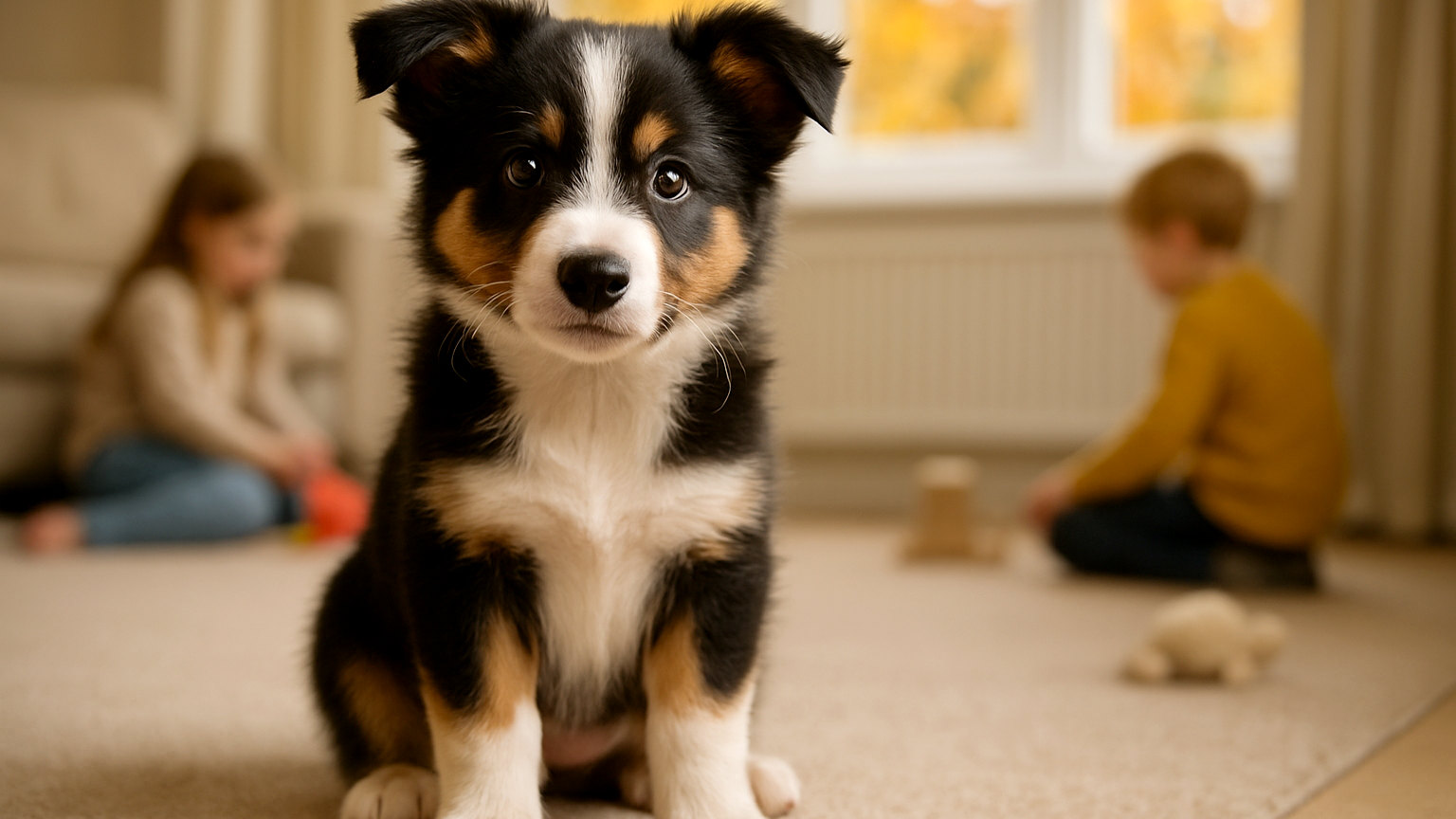
Most dogs in rescue are there because something changed in a person's life rather than because anything is wrong with the dog.
Choose the dog that fits your life rather than the one that most needs rescuing, because a failed adoption helps nobody.
Some behaviour histories are entirely manageable and some are not, and the difference lies in specifics rather than in the label.
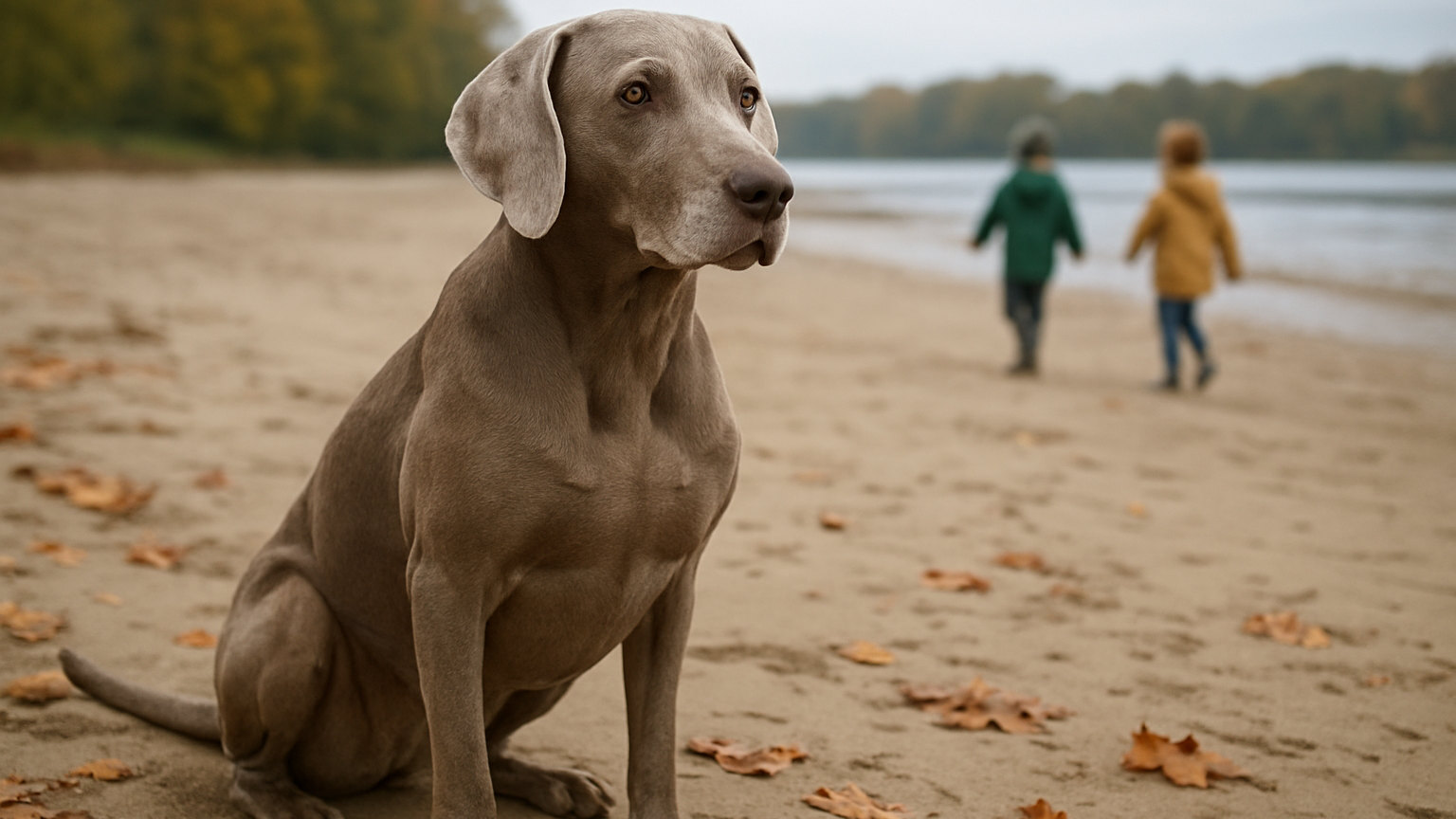
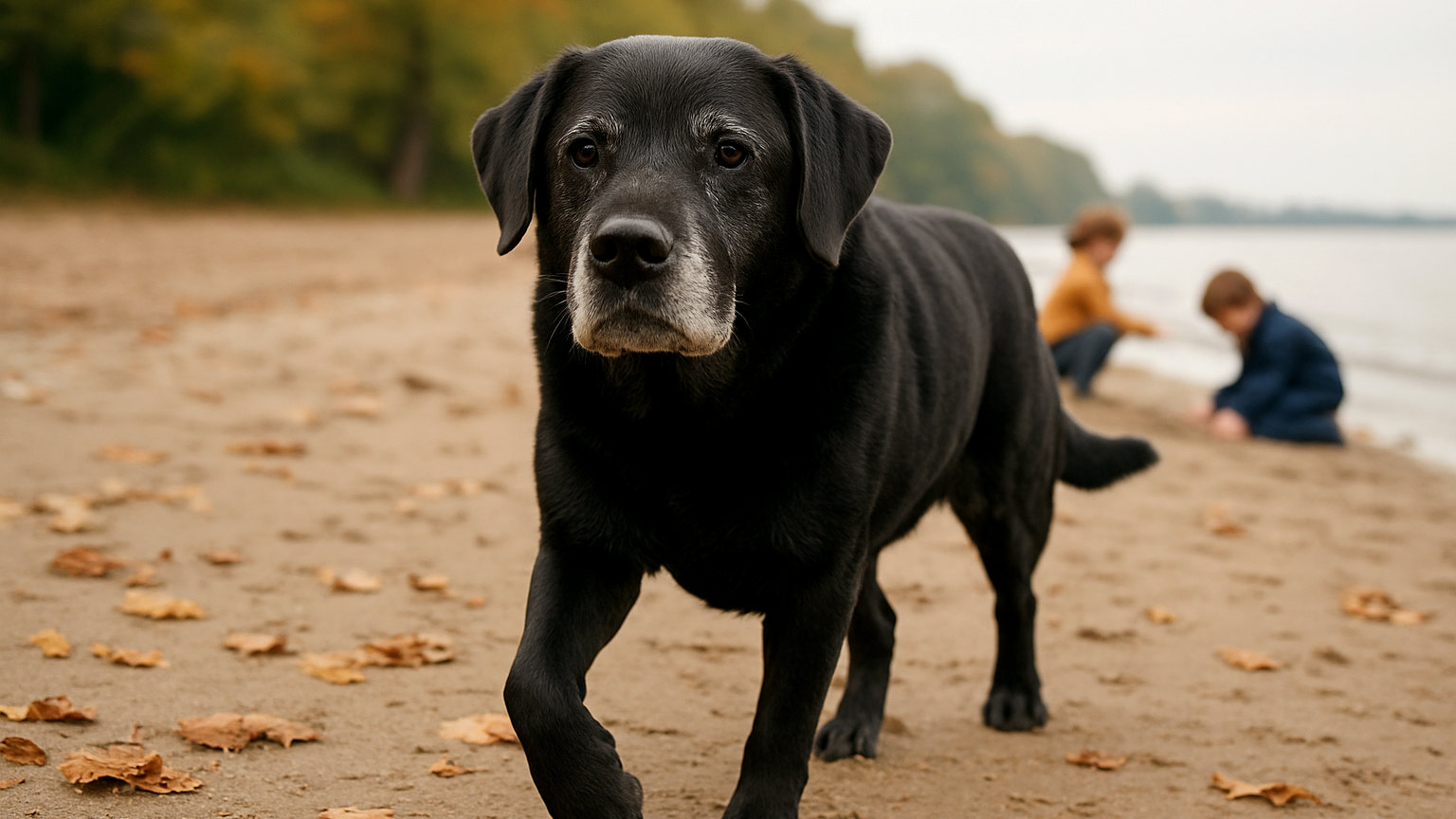
Older dogs come with known temperaments and settled habits, and they wait considerably longer in rescue than anything else.
A rough guide to settling: three days to decompress, three weeks to learn the routine, three months to feel at home.
The adoption fee usually covers neutering, vaccination and microchipping, and is rarely more than a fraction of what the rescue spent.
Yes, provided you have written permission, which is the single thing rescues will ask for and the thing most applicants lack.