
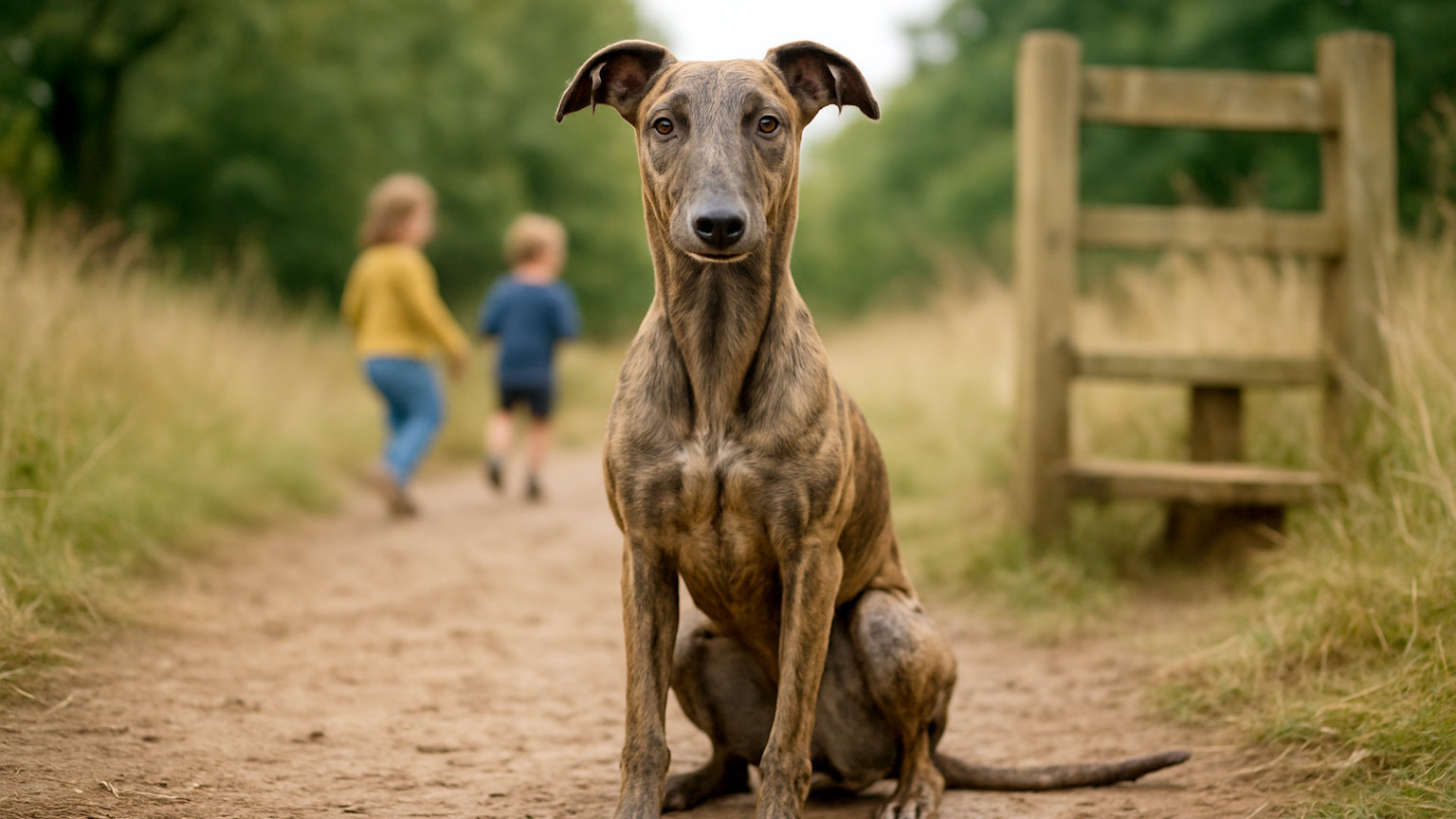
Adopting looks slower and more intrusive than buying, and the reasons make sense once you understand what rescues are trying to achieve.
What are the stages?
An application form covering your household, experience, working hours, garden, other pets and what you are looking for.
A conversation, by phone or video, where staff go through your circumstances in more detail and start thinking about which dogs might suit.
Matching, where the rescue suggests dogs rather than you browsing freely. This surprises people and is central to how good rescues work.
Meeting the dog, usually more than once, and bringing the whole household including any existing dog.
A home visit, increasingly done by video. Then the adoption itself, with a fee, a contract and paperwork.
Why do rescues match rather than let you choose?
Because they know the dogs and you do not. Staff and fosterers have observed these dogs daily and know which cope with children, cats, being left, stairs or noise.
Adopters who choose on appearance or on a sad story frequently take home a dog that does not suit them, and returns are difficult for everyone.
Being steered away from a particular dog is not rejection. It usually means they have a better idea.
How long does it take?
Anywhere from a fortnight to several months, depending on the rescue and what you are looking for.
Small dogs, young dogs and those suitable for homes with children are in high demand and are frequently reserved quickly. Larger dogs, older dogs and those needing adult-only homes are more readily available.
Being flexible about age, size and breed shortens the wait considerably.
What does the fee cover?
Typically neutering, microchipping, vaccination, parasite treatment, a veterinary check and any treatment the dog has needed.
Many rescues include a short period of insurance. Some provide a collar, lead and a small quantity of food.
The fee rarely covers what the rescue has spent, and the point is to establish commitment rather than to profit.
What support comes afterwards?
Good rescues offer post-adoption advice, sometimes including access to behaviourists and trainers, and will answer questions for the life of the dog.
Nearly all include a contractual commitment to take the dog back at any point rather than have it rehomed privately or surrendered elsewhere.
Ask what support is offered before you apply, since it varies considerably.
What do rescues expect from you?
Honesty above everything. Overstating your experience or understating your working hours produces a poor match, and the dog pays for it.
Patience with the process, willingness to visit more than once, and realistic expectations about the settling period.
Can you adopt a puppy?
Yes, though they are less common and go quickly. Rescues take in pregnant bitches, accidental litters and surrendered puppies regularly.
Expect strict criteria and a wait. Registering interest with several organisations and being flexible about breed helps considerably.
What about adopting with children?
Entirely possible, and it narrows the pool. Many rescue dogs have never met children, and rescues will not risk finding out in your home.
Dogs assessed as suitable for families are in high demand. Be honest about children's ages and expect the rescue to want to meet them.
How does it compare with buying?
Slower, more scrutinised and considerably cheaper. You get a dog whose temperament is largely known, which removes much of the uncertainty of a puppy.
What you give up is the early weeks and, frequently, knowledge of the dog's history and breeding.
For most households, particularly those wanting an adult dog, adoption is the more straightforward route once the process is understood.
Where should you start?
Apply to several organisations rather than one, including breed-specific rescues if you have a type in mind, and local independents alongside national charities.
Treat the process as collaborative rather than as an obstacle course. The organisation wants this to work as much as you do, and the questions exist because they have seen what happens when matches are made carelessly.


