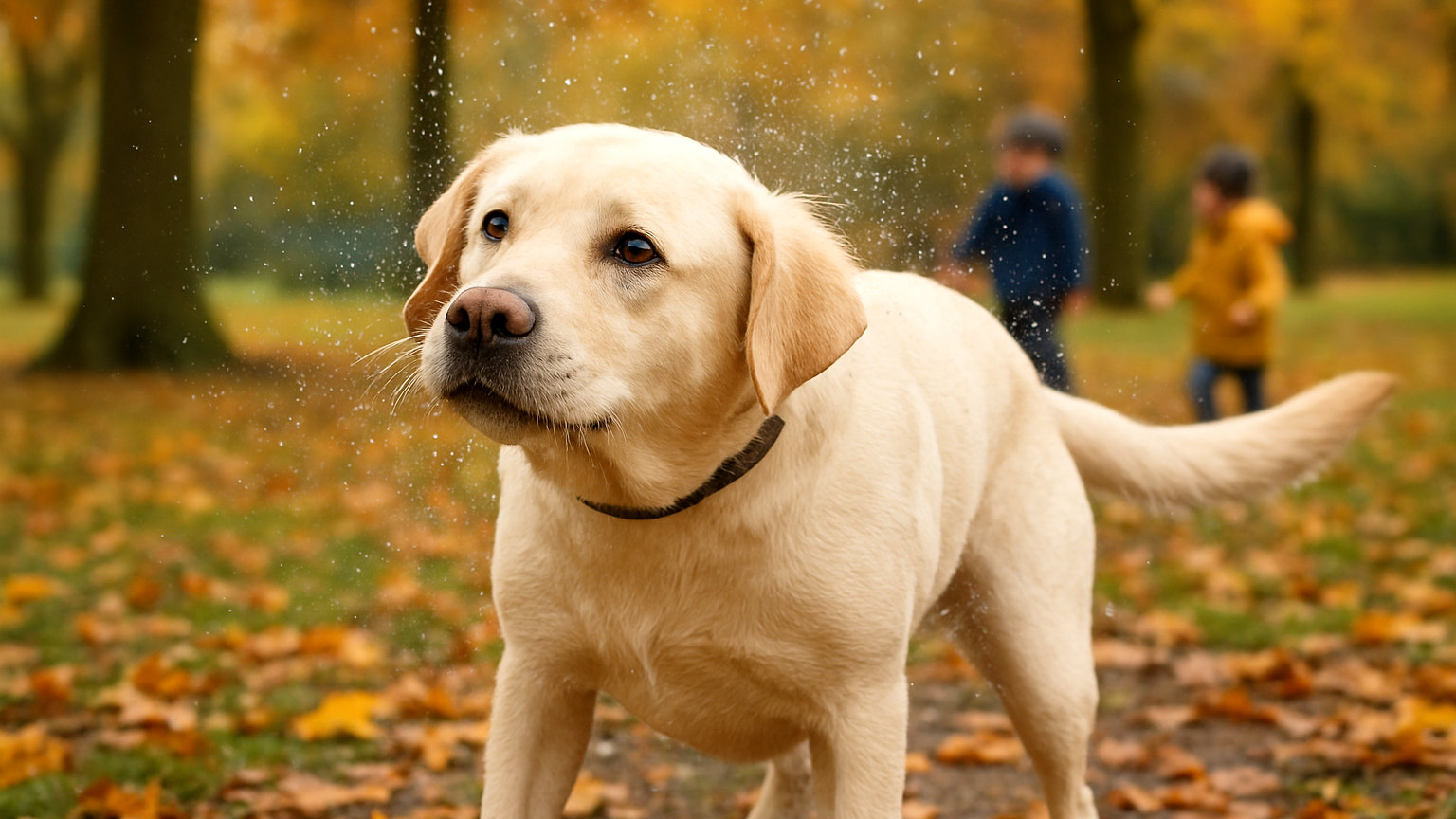
Puppy-proofing takes an afternoon and prevents most of the emergencies that bring puppies to vets in their first months.
How should you approach it?
Get down to the puppy's eye level in each room and look along the floor. Almost everything a puppy reaches is below knee height, and hazards are far more obvious from there.
Work room by room, and be honest about which rooms the puppy will genuinely have access to rather than assuming you will always be watching.
What are the main indoor hazards?
Electrical cables, which are the most serious. Chewing a live cable can be fatal. Use cable tidies, run leads behind furniture, or block access entirely.
Anything small enough to swallow: coins, hair ties, batteries, children's toys, socks. Swallowed objects cause intestinal obstruction requiring surgery.
Cleaning products, medication, and anything in a low cupboard. Fit child locks where needed.
Food hazards, particularly chocolate, grapes and raisins, onions, and anything containing xylitol. Bins need securing rather than simply being out of the way.
Trailing blind cords, which are a strangulation risk, and unstable furniture that could topple.
What about the garden?
Check fencing at ground level as well as height, since puppies go under rather than over. Look for gaps at the base, loose panels and spaces beside gates.
Make sure gates cannot be pushed open and fit a bolt. A puppy that escapes once will look for the gap again.
Identify what is growing. Yew, laburnum, foxglove and spring bulbs are among the more dangerous, and bulbs planted in autumn are frequently dug up.
Secure slug pellets, fertiliser, antifreeze and any chemicals in a closed shed. Antifreeze is highly toxic and sweet-tasting.
Cover or fence off ponds and water features, since puppies fall in and cannot always get out.
What areas should you set up?
A confined space where the puppy can be left safely when you cannot supervise: a pen, a crate, or a small room with easily cleaned flooring.
A quiet resting place away from the front door and the main route through the house, where the puppy is genuinely undisturbed.
A clear route to the garden for toilet trips, with nothing to negotiate on the way.
What should you fit?
Stair gates, which are the single most useful item. They restrict access without shutting the puppy away, and they prevent stair use while joints are developing.
Fit one at the bottom of the stairs and one to separate the puppy's area from the rest of the house.
What do people forget?
The car, which needs a restraint fitted before collection day. Handbags left on the floor, which frequently contain medication and chewing gum.
Compost heaps, which contain mouldy material that causes tremors and seizures. Log piles and sheds where slugs gather, given the lungworm risk.
Bringing water bowls and toys indoors overnight rather than leaving them out where slugs travel over them.
How long does it stay necessary?
The intensive phase lasts through teething, to around seven months. Some measures, particularly cable protection and secure fencing, are worth keeping permanently.
What about the first few days specifically?
Restrict the puppy to one or two prepared rooms rather than giving it the run of the house, which is safer and makes toilet training considerably easier.
Expand access gradually as the puppy becomes reliable, room by room, rather than all at once.
What should other household members know?
Which doors must stay shut, that bins stay closed, and that bags and shoes go up rather than on the floor.
Children in particular need clear rules, since dropped food and left-out toys account for a good share of swallowed-object emergencies.
Agree it before the puppy arrives, since retrofitting habits is harder than establishing them.
Do the whole thing before collection day rather than in the first week. A puppy exploring while you fit cable covers around it is not the way to start. Keep a list of what you have done, since it is easy to forget which rooms you have checked properly.
Puppy-proofing is the cheapest insurance in dog ownership. An afternoon of preparation prevents most of the swallowed objects, chewed cables and escaped puppies that fill veterinary appointment books.