Which Small Dog Breeds Are Best for Flats?
Size is only part of what makes a dog suitable for a flat. Noise tolerance, stairs and the absence of a garden usually matter more.
By Dog Guides Editorial
27 Jul 2026

Small does not mean low-maintenance, and it certainly does not mean low-energy. These guides cover the breeds that suit flats, smaller gardens and shorter walks, alongside the small breeds that are terriers underneath and will out-walk most people twice their size.
Size is only part of what makes a dog suitable for a flat. Noise tolerance, stairs and the absence of a garden usually matter more.
Size predicts exercise needs far less reliably than breeding purpose does. Several small breeds out-work dogs three times their weight.
Some small breeds settle far more readily than others, though how a dog is raised affects calmness at least as much as its breed does.
Small dogs do take longer on average, but the reasons are practical rather than a matter of intelligence, and all of them are workable.
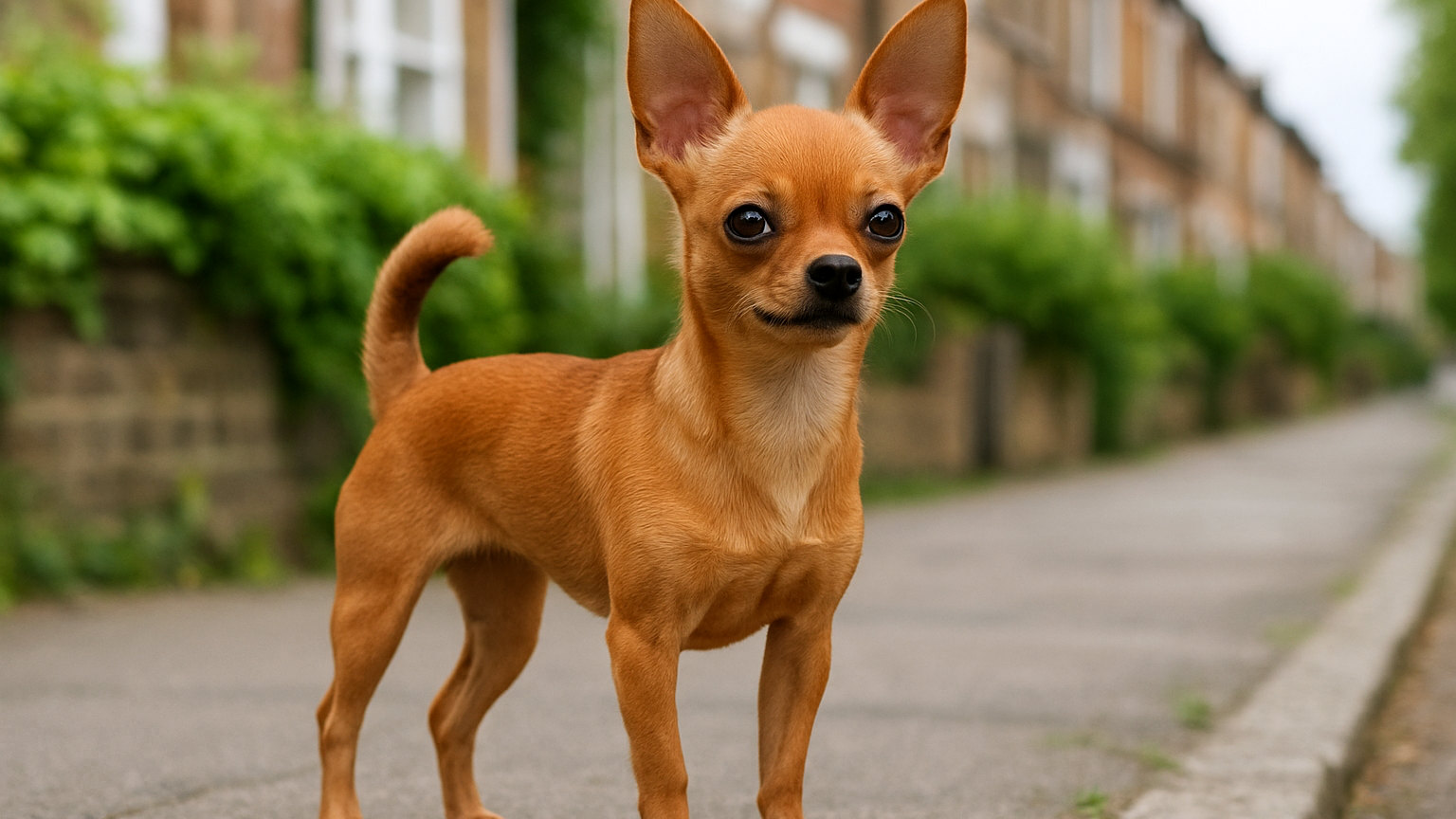
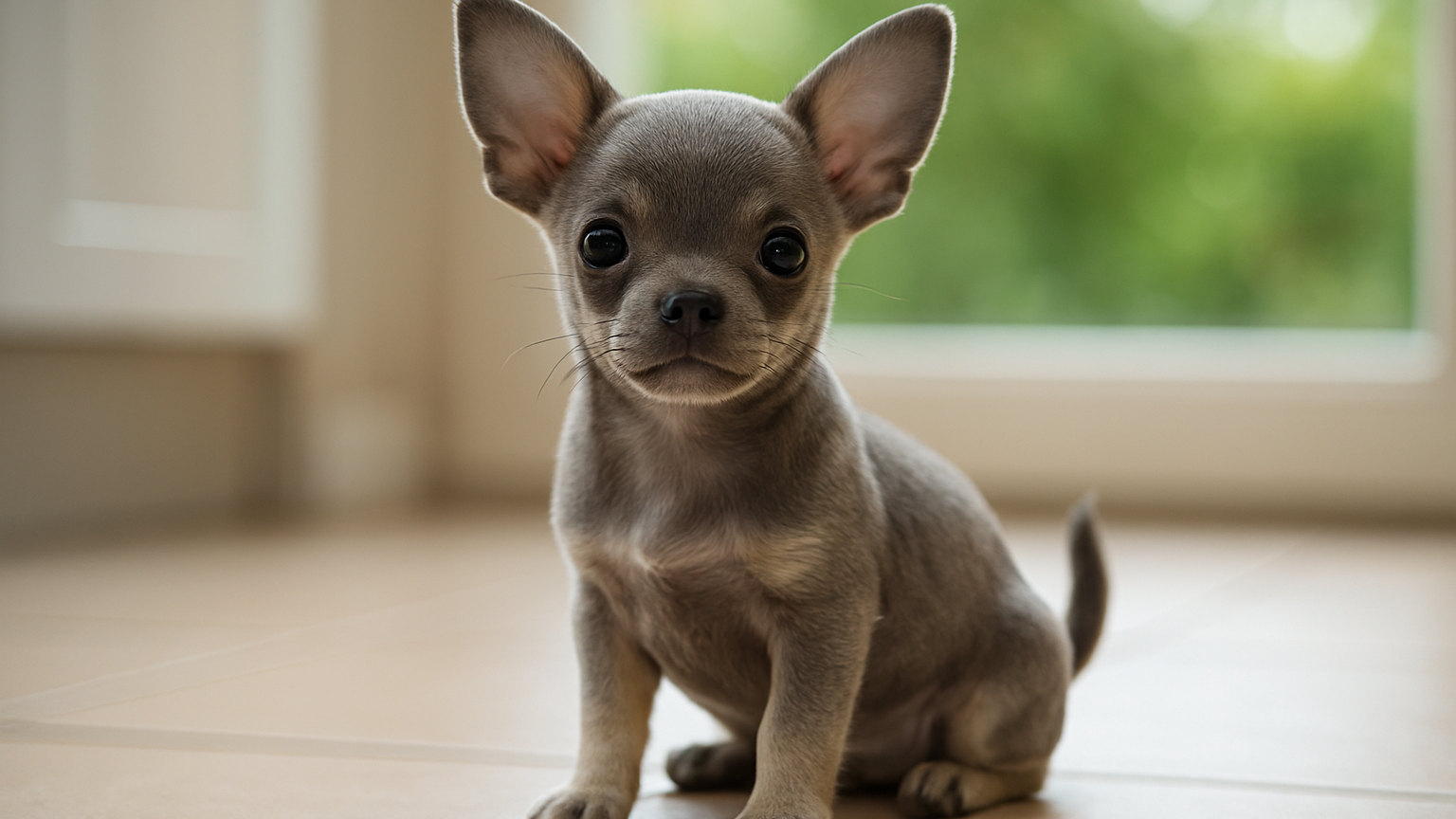
Chihuahuas have a reputation for snappiness that is largely created rather than inherited. Understanding why is most of what you need.
Low-shedding coats trade hair on the sofa for hair that must be brushed and clipped instead. The commitment is larger, not smaller.
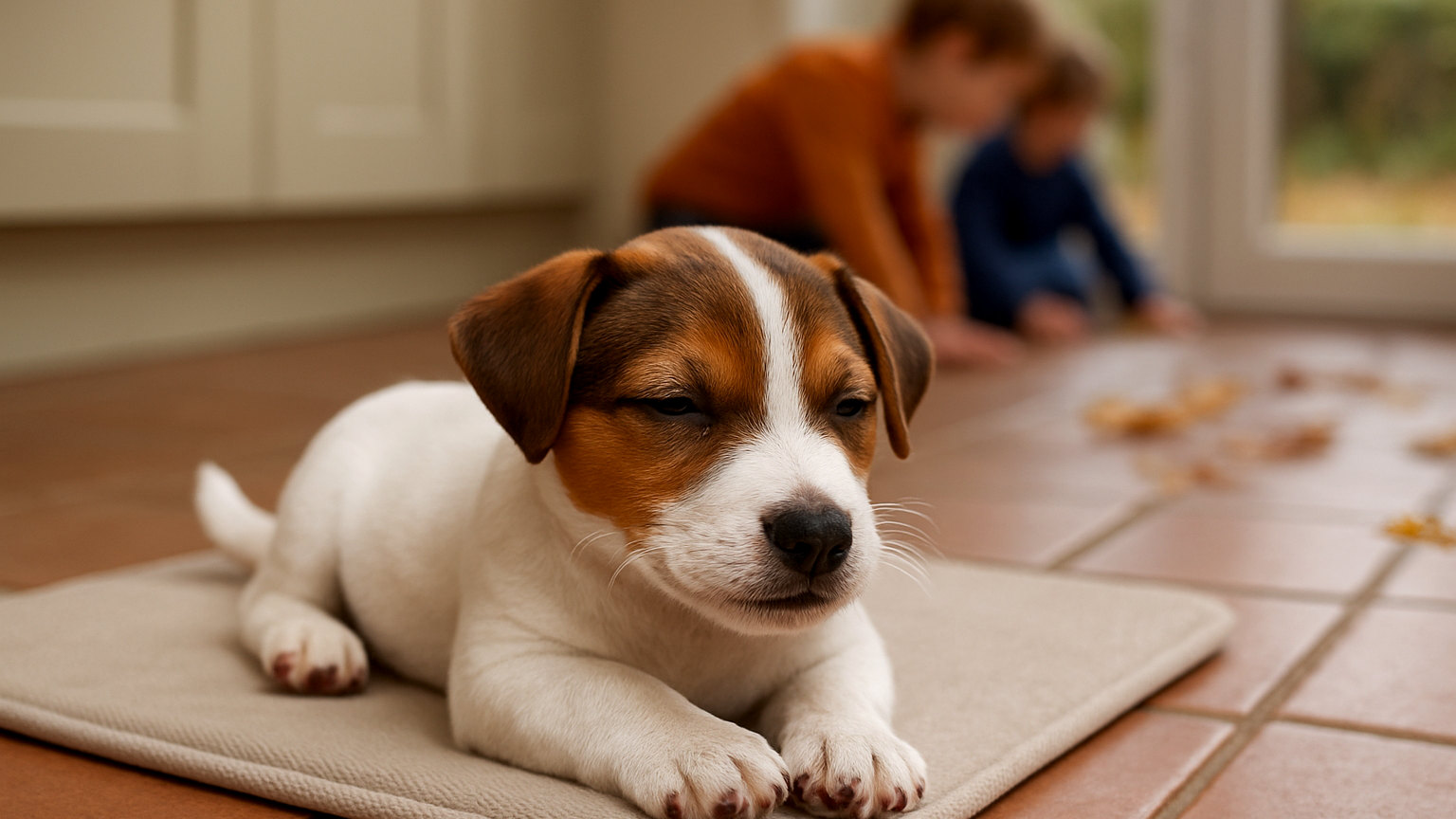
Small dogs are often chosen for families on the assumption that less dog means less risk. The reality is close to the opposite.
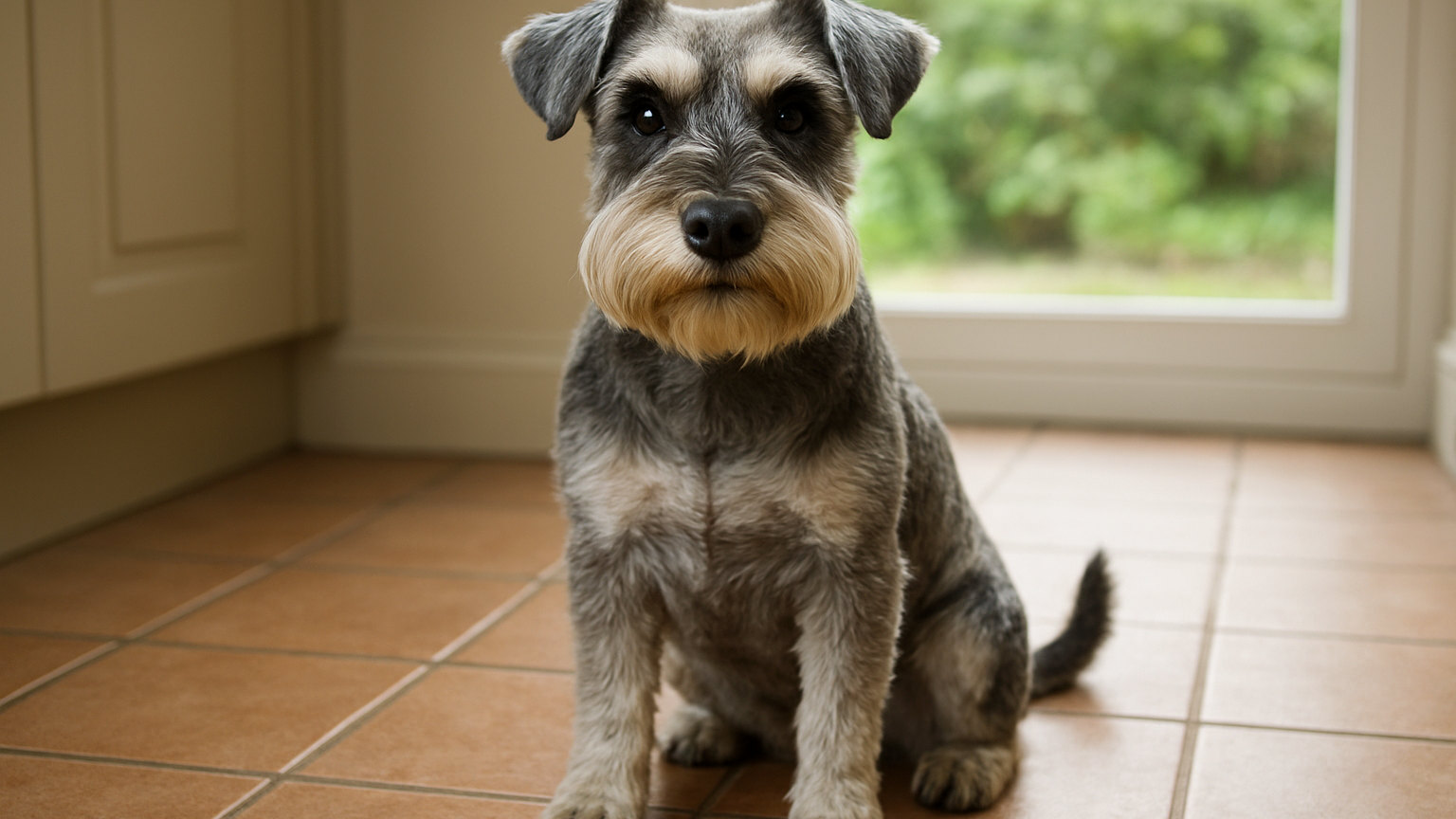
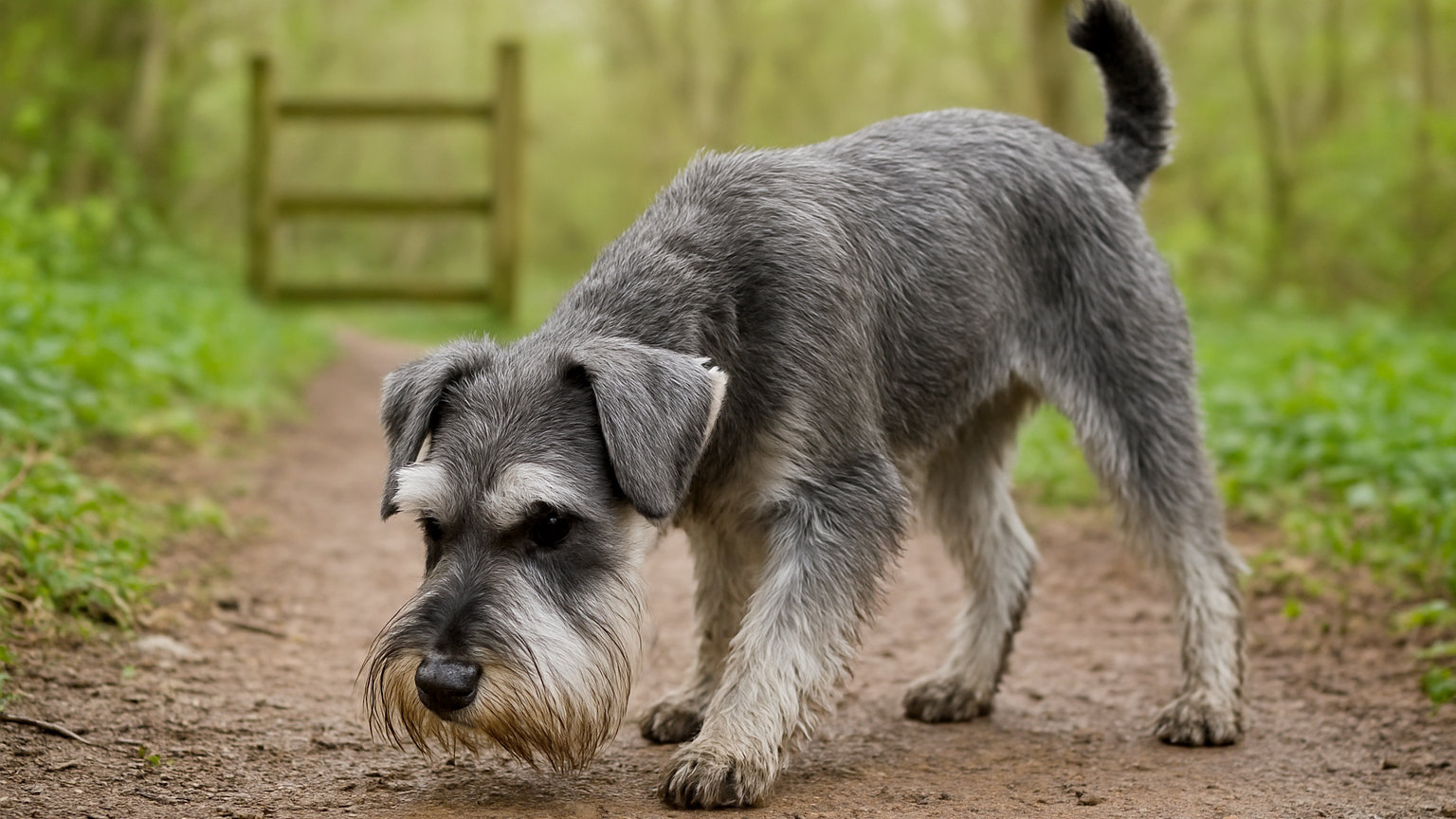
Miniature Schnauzers are bright, busy and vocal, with a coat that needs a decision made about it early on.
A Chihuahua often outlives a Great Dane by seven or eight years. The leading explanation involves how fast large breeds grow.
Small breeds live longer but have their own characteristic problems, and several of the most common are substantially preventable.
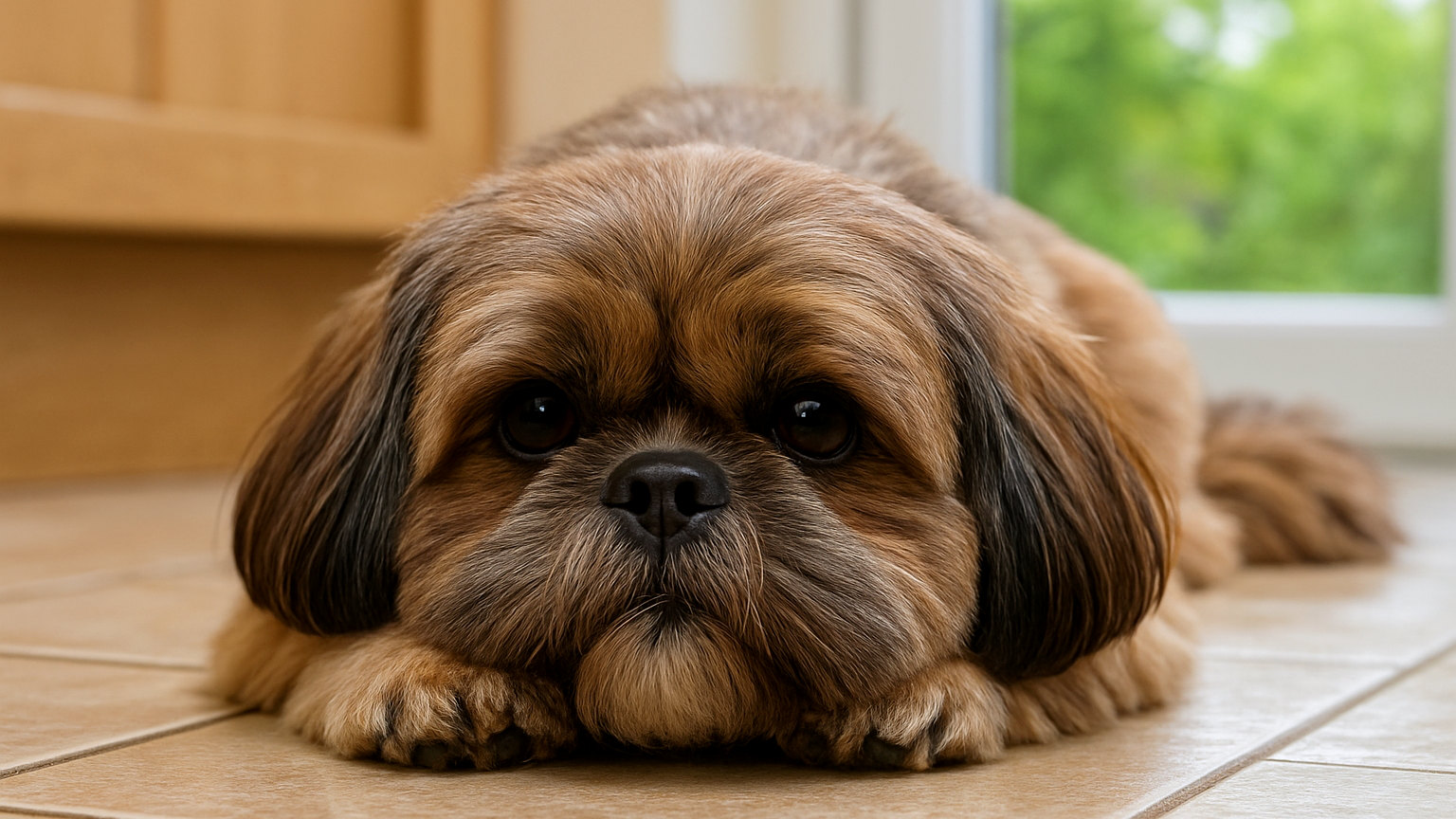
Shih Tzus are among the easier small breeds temperamentally, with two commitments that new owners consistently underestimate.
Small dogs cost less to feed than large ones and often more to groom. The annual figure surprises people in both directions.