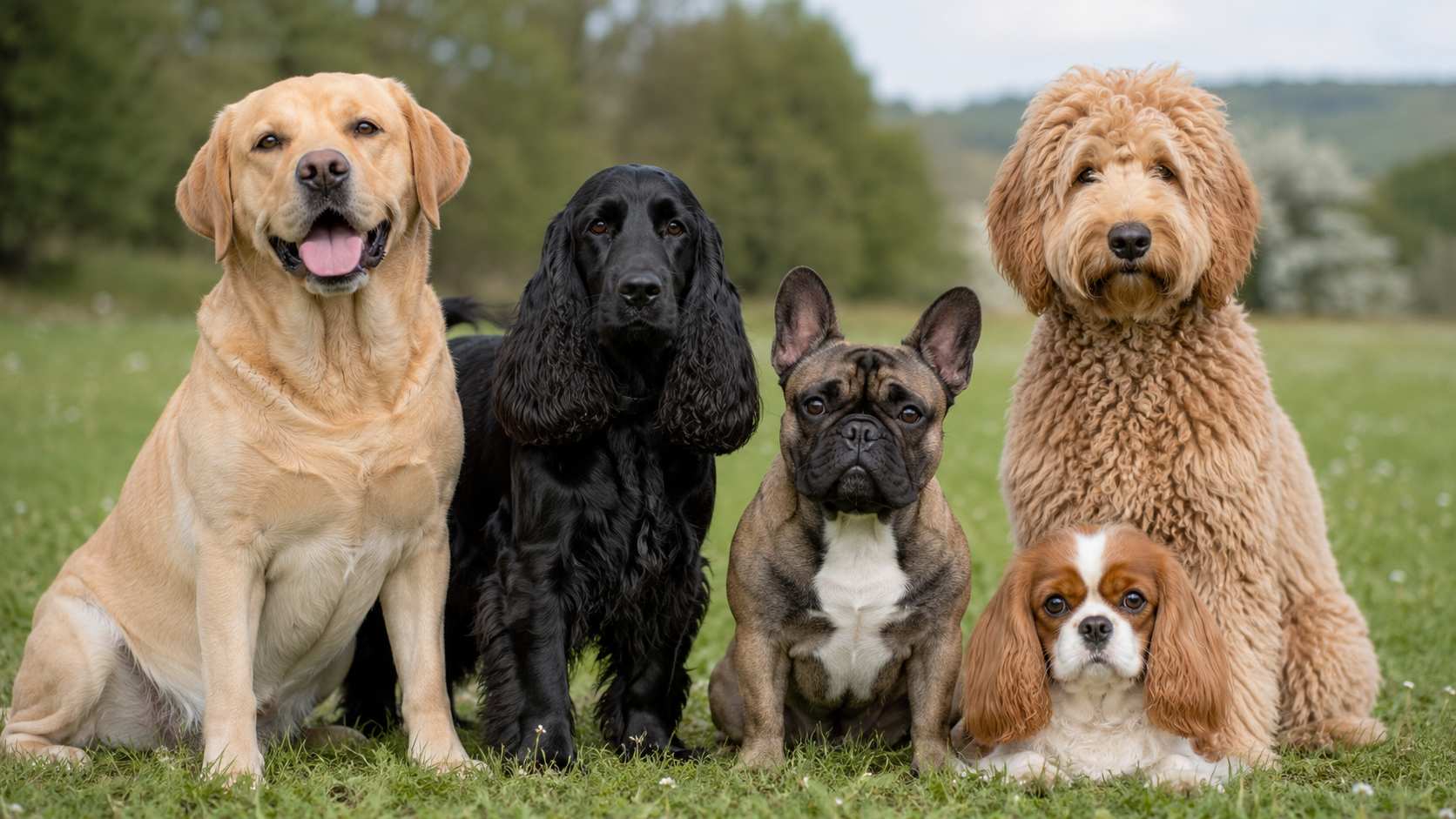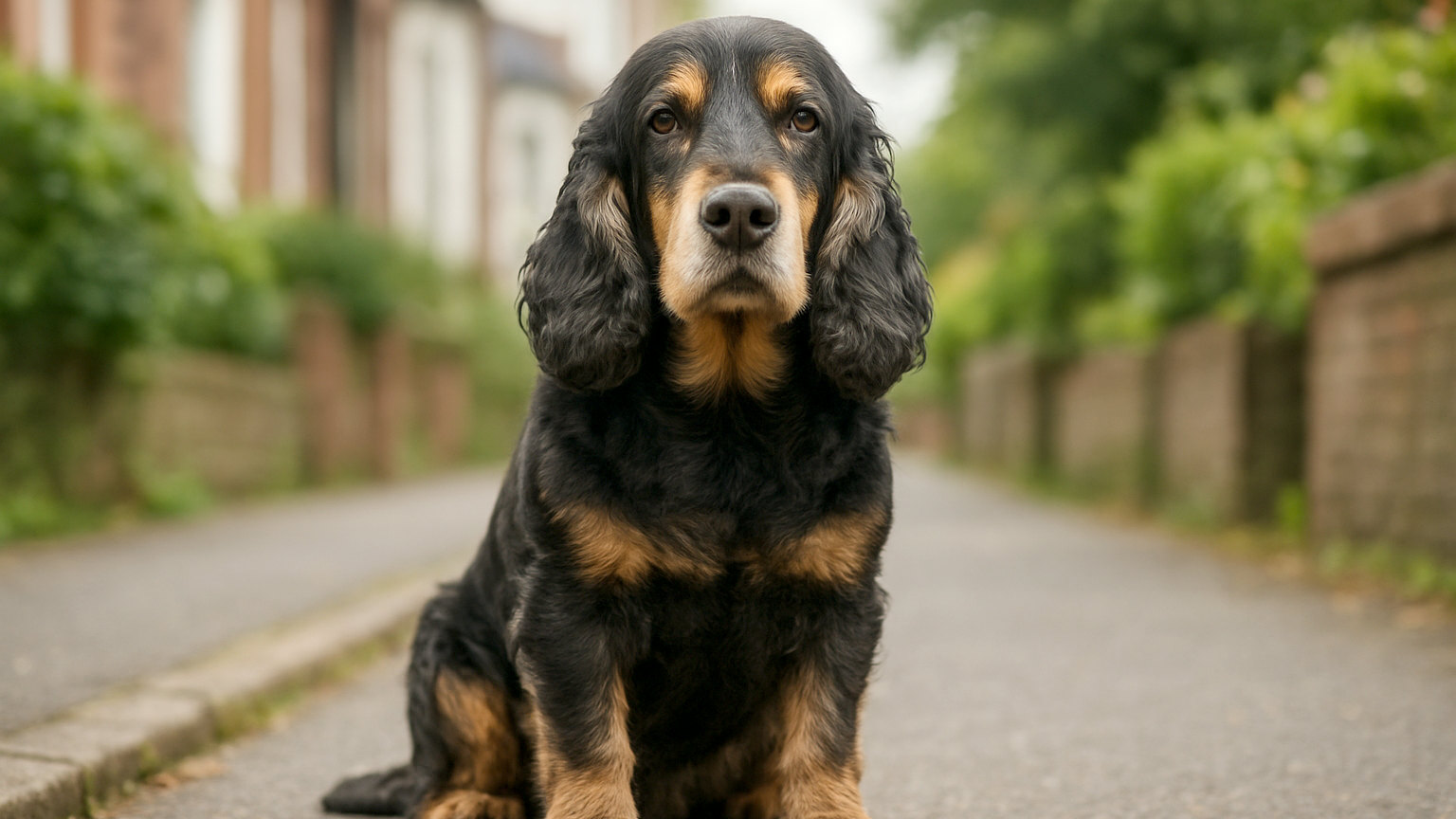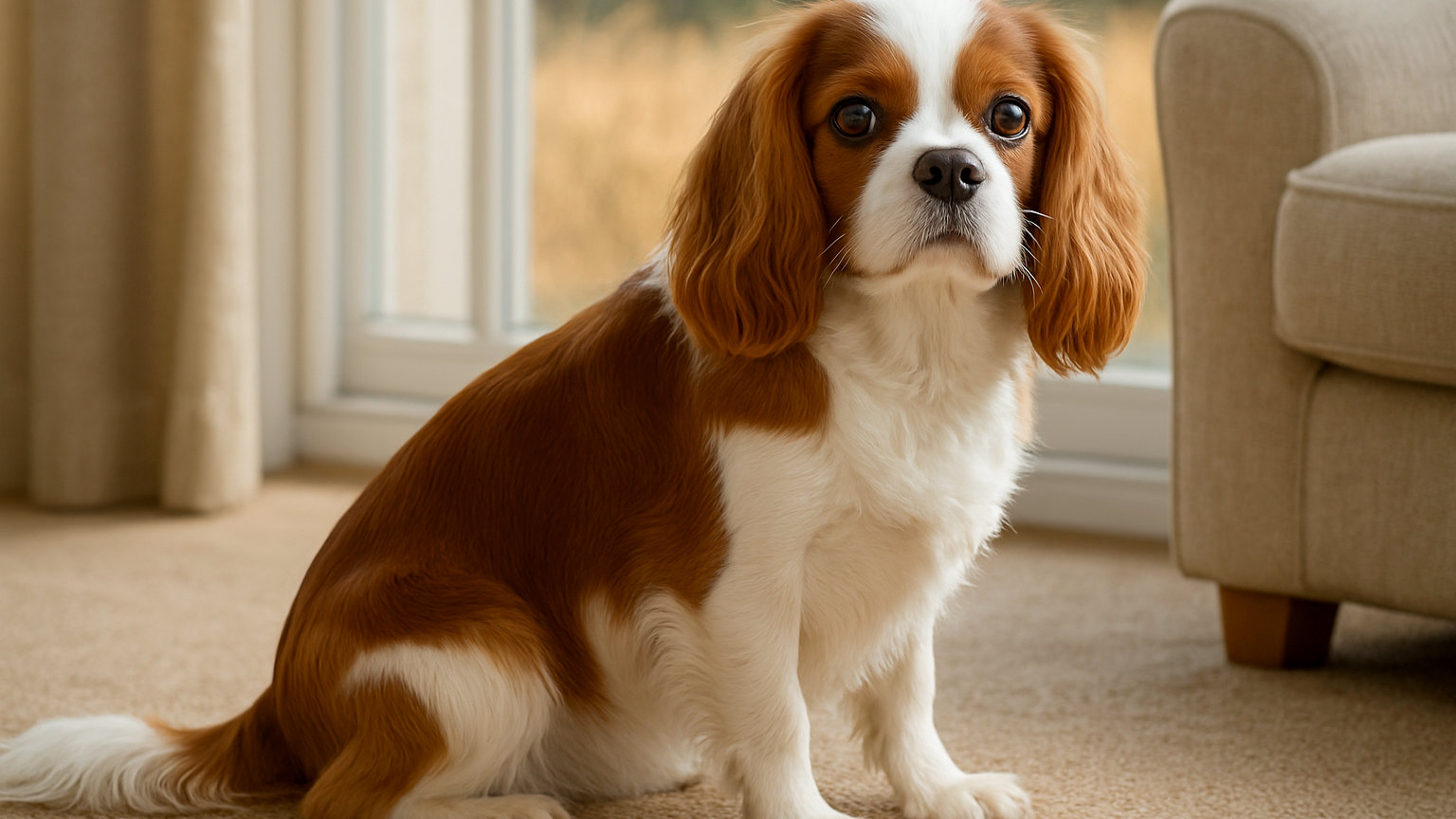
Small dogs are widely assumed to be the economical option, and in some respects they are. Food costs less, medication dosed by weight costs less, and boarding is often cheaper. Other costs run in the opposite direction.
What does food cost?
This is where small dogs win clearly. A five kilogram dog eats a fraction of what a Labrador does, and even a premium food is inexpensive at that quantity.
Most owners of small breeds spend a modest amount monthly on food, and the difference in annual cost compared with a large breed is considerable. Treats and chews add to this, and they should be counted within the daily food allowance rather than on top of it.
What about insurance?
Premiums vary enormously by breed, age and postcode. Small breeds are generally cheaper to insure than giant ones, though breeds with well-documented problems attract higher premiums regardless of size.
The important thing is the type of policy. Lifetime cover, taken out while the dog is young and healthy, continues to cover ongoing conditions year after year. Cheaper time-limited or per-condition policies stop paying once a limit or period is reached, which is precisely when a chronic condition becomes expensive.
Premiums rise as the dog ages, sometimes steeply, and this needs planning for rather than discovering at renewal.
Where do small dogs cost more?
Grooming, and it is the cost most often left out of the calculation. A curly or long-coated small breed needs professional grooming every six to ten weeks, and the annual total frequently exceeds what the same owner spends on food.
Poodles, Bichons, Shih Tzus, Cockapoos and Yorkshire Terriers all fall into this category. Short-coated small breeds such as smooth Dachshunds and Chihuahuas avoid it almost entirely, which is a genuine financial difference between two dogs of the same size.
Dental treatment is the other area. Dental disease is more common in small breeds, and a scale and polish under general anaesthetic is not cheap, particularly if extractions are needed.
What are the one-off costs?
Buying or adopting the dog, initial vaccinations, microchipping, neutering, and equipment including a harness, lead, bed, crate, bowls and grooming tools.
Puppy classes are worth budgeting for and pay back many times over. Some of these costs are lower with a rescue dog, where neutering, vaccination and microchipping are frequently already done.
What do people forget to budget for?
Routine preventive care is the main one: annual boosters, monthly flea and worm treatment, and a yearly health check. These are predictable and recurring.
Then there is care when you are away. Boarding, day care or a walker becomes necessary if your circumstances change, and it is a substantial ongoing cost for anyone working full time.
Finally, the excess on an insurance claim, plus anything the policy excludes. Pre-existing conditions are excluded, dental work is frequently excluded or limited, and routine care is never covered.
How should you plan?
Work out the annual figure for the specific breed you are considering, including grooming, before choosing rather than after. Get an insurance quote for that breed in your postcode, since the variation is larger than most people expect.
Keep a separate fund for the excess and for anything not covered. A dog living fourteen to sixteen years is a long commitment, and small breeds live the longest of all.
How does a rescue dog compare on cost?
Usually cheaper at the outset and sometimes cheaper ongoing. An adoption fee is typically a fraction of a breeder's price, and it normally covers neutering, microchipping, initial vaccination and a health check.
Adult rescue dogs also skip the puppy expenses: replaced furniture, chewed shoes, multiple sets of equipment outgrown within months and the classes that a young dog needs.
The counterpoint is that an older rescue dog may develop age-related conditions sooner, and pre-existing conditions will be excluded from insurance. Ask the centre what is known about the dog's health and get a quote before committing.