How Do You Fly With an Assistance Dog?
Recognised assistance dogs can travel in the cabin free of charge, and every airline requires advance notice and documentation.
By Dog Guides Editorial
6 Aug 2026

Car restraint is a legal requirement under the Highway Code rather than a suggestion, and an unrestrained dog is dangerous to itself and to everyone else in the car. Also: an animal health certificate for EU travel, ferries, trains, and dog-friendly places to stay.
Recognised assistance dogs can travel in the cabin free of charge, and every airline requires advance notice and documentation.
An unrestrained dog is a projectile in a collision, and the Highway Code requires suitable restraint for good reason.
Most puppies grow out of it, and effective prescription medication exists for those that do not.
Plan a break every two hours and never open a door without the lead already attached, which is where most escapes happen.
A car reaches dangerous temperatures within minutes on a mild day, and opening a window makes almost no difference.
Most UK train operators carry dogs free of charge, while coach operators generally do not, and bus policies vary considerably.
Where the dog stays varies enormously by operator, and pet-friendly cabins book up long before the sailing does.
Dogs generally cannot travel in the cabin on flights to and from the UK, which surprises people who have seen it done elsewhere.
Dog-friendly means very different things at different places, and the question that matters most is whether you can leave the dog in the room.
Check the seasonal restrictions before booking, since many beaches and coastal paths exclude dogs entirely between May and September.
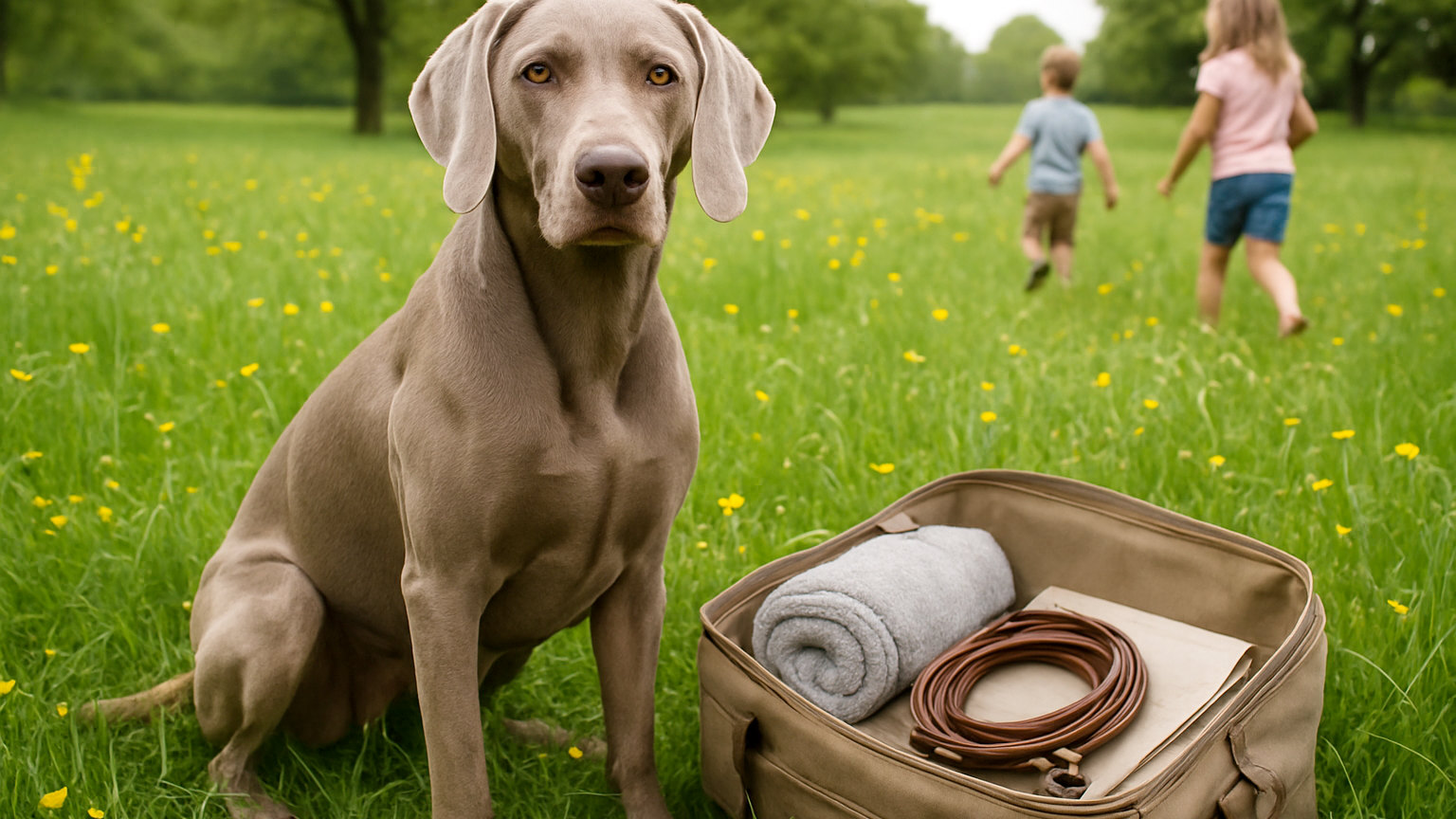
Take a spare lead, a towel more than you think you need, and the dog's paperwork, which is the item most often left behind.
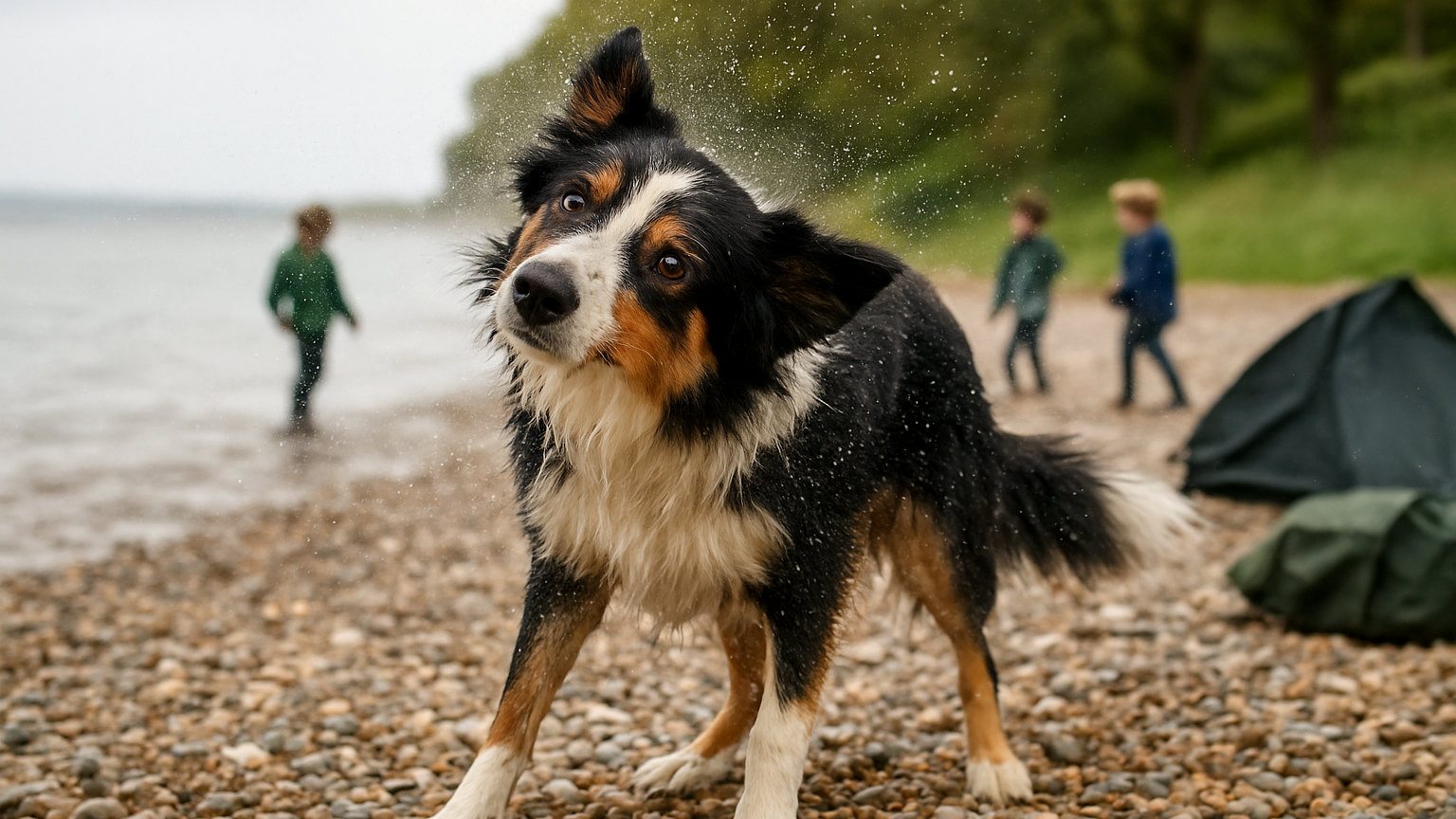
Most campsites welcome dogs and the difficulties are practical: securing the dog, managing temperature and getting any sleep.