
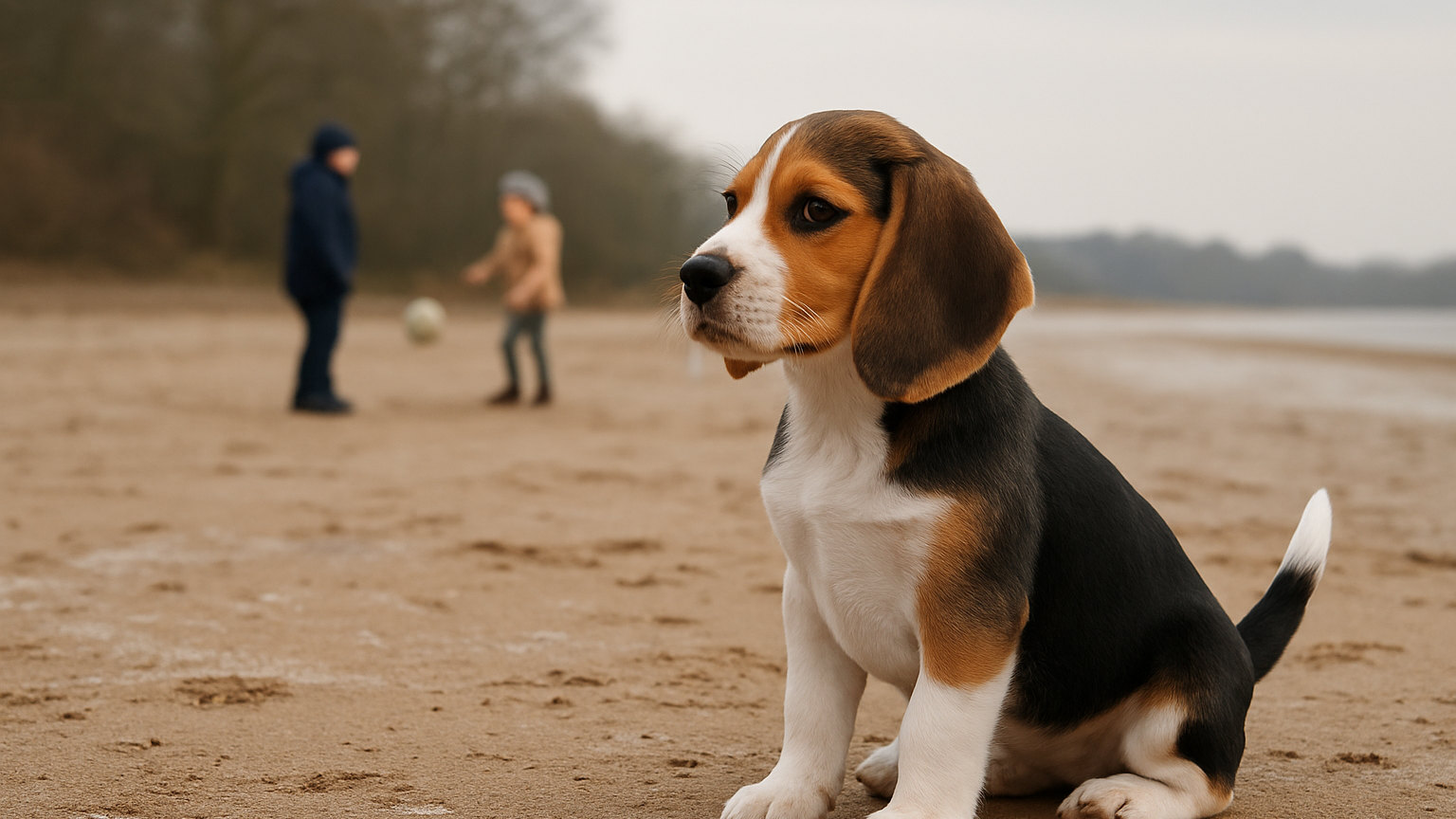
Britain is well provided with dog-friendly accommodation. The differences between places described that way are considerable, so asking specific questions matters.
Where should you look?
Booking sites with a pet filter, though these are frequently unreliable, so confirm directly with the property.
Specialist dog-friendly directories, which tend to have more accurate detail about what is actually permitted.
Holiday cottage agencies, which are generally the most accommodating option and often have enclosed gardens.
Pubs with rooms, which are frequently dog-friendly and allow dogs in the bar, and increasingly many hotel chains.
What is the most important question?
Whether you can leave the dog unattended in the room. Many places say no, which fundamentally changes your holiday.
If you cannot leave the dog, every meal, attraction and outing must include it. Ask before booking rather than discovering it on arrival.
Where dogs can be left, ask for how long and whether crating is required.
What else should you ask?
The charge, which varies from nothing to a substantial per-night fee, and whether it is per dog or per stay. Whether a deposit is required.
How many dogs are permitted, and whether there are size or breed restrictions, which some places impose.
Which areas of the property dogs may access: bedrooms, dining areas, gardens, and whether they must be on a lead.
Whether the garden is genuinely enclosed and how high the fencing is, since descriptions are frequently optimistic.
Whether dogs are allowed on furniture and beds, and what the cleaning expectations are.
What should you take?
Your own bedding, which helps the dog settle and protects the property. A throw for any furniture the dog is allowed on.
Towels for muddy walks, a mat for feeding, and a supply of cleaning materials including an enzymatic cleaner.
A crate or pen if the dog is used to one, which makes leaving it in a room considerably more practical.
How do you avoid problems?
Do not leave a dog that barks when alone, which is the most common source of complaints and charges.
Never let the dog on beds unless permitted, and clean up thoroughly before leaving.
Keep the dog on a lead in shared areas and gardens, and pick up immediately.
What about eating out?
Many British pubs welcome dogs in bar areas, and it is worth checking rather than assuming. Some allow dogs in restaurants; most do not.
Take a mat and a chew, sit somewhere out of the walkway, and choose quieter times for a first attempt.
What if the dog is not settled?
Take familiar items, keep to the usual routine as far as possible, and give the dog time to explore the accommodation on a lead before expecting it to relax.
What about last-minute bookings?
Considerably harder with a dog, since pet-friendly rooms are limited and frequently the first to go.
Book earlier than you otherwise would, particularly for school holidays and popular coastal areas.
What should you do on arrival?
Check the accommodation and garden for hazards and escape routes before letting the dog explore, since fencing is frequently inadequate.
Set up the dog's bed and water immediately, so there is somewhere familiar in an unfamiliar place.
What about reviews?
Look specifically for reviews from other dog owners, which frequently reveal what the listing does not: thin walls, no enclosed garden, or a strict no-dogs-upstairs rule.
Places that genuinely welcome dogs usually say so in detail rather than simply ticking a box.
What should you leave behind?
The property as you found it. Remove hair, check the garden, and mention any damage rather than hoping it is missed.
What about pubs and cafes nearby?
Worth checking before booking, particularly if the accommodation does not allow dogs to be left. A village with one dog-friendly pub makes for a limited week.
Many pubs welcome dogs in the bar and not the dining area, so ask rather than assume.
The one question worth asking above all others is whether the dog can be left in the room. Everything else about the holiday follows from the answer.


