How Do You Teach a Reliable Recall?
Recall is the one cue that keeps a dog alive, and it is built by paying extravagantly for something that is genuinely difficult.
By Dog Guides Editorial
28 Jun 2026

Sit, down, stay, leave it, and the one that keeps a dog alive: coming back the first time, from a distance, with something more interesting happening. Recall is built with high-value rewards and a long line, and broken by calling the dog only to end the walk.
Recall is the one cue that keeps a dog alive, and it is built by paying extravagantly for something that is genuinely difficult.
A dog that ignores recall has usually learned that the word predicts something disappointing, or is simply being asked at a level it cannot manage.
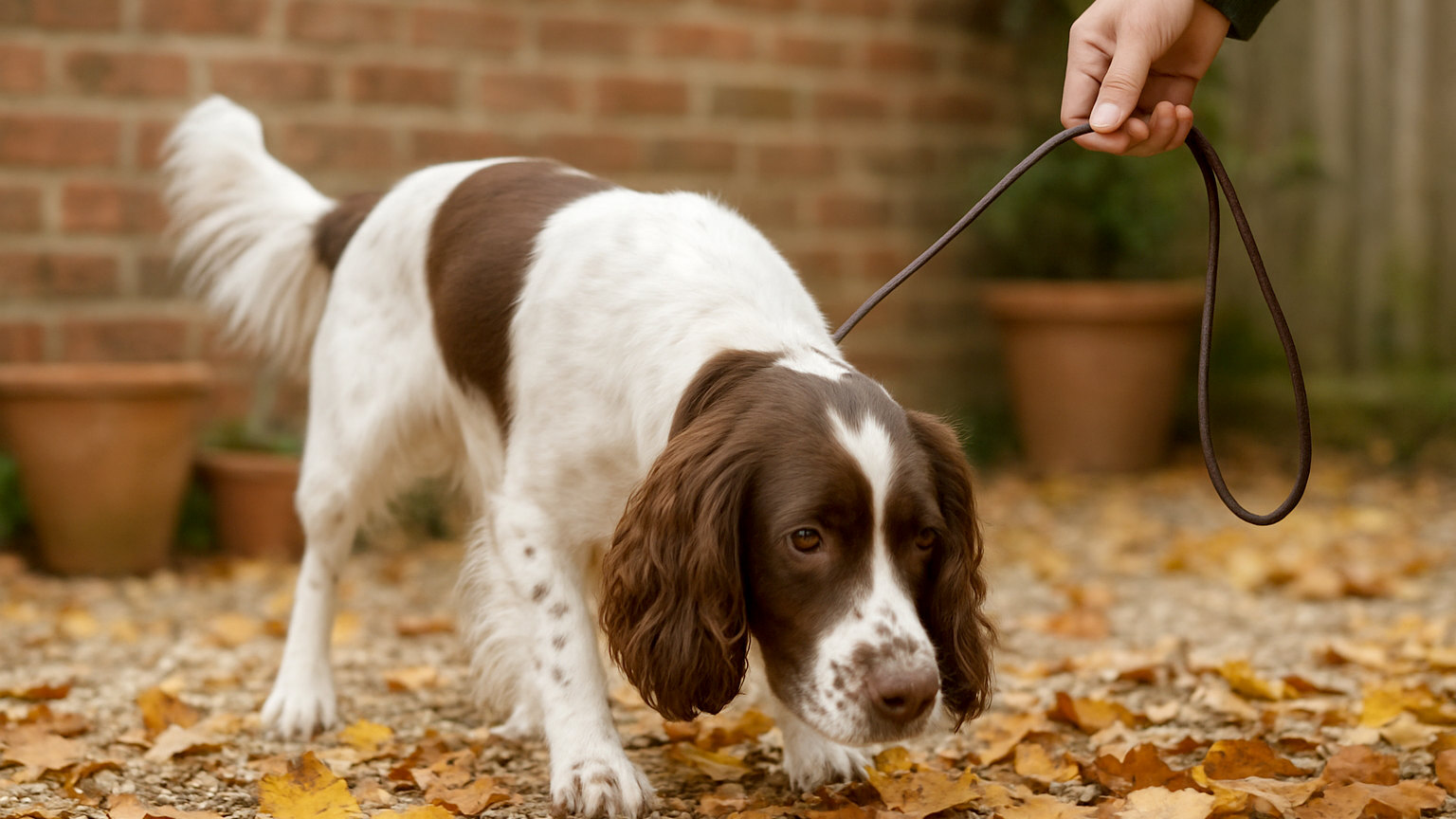
A long line gives a dog freedom while you rebuild recall, and used on a collar or wrapped round a hand it causes real injuries.
All three are taught the same way, and the step most owners skip is fading the lure, which is why the dog only responds with food in your hand.
Stay fails when owners increase difficulty on several fronts at once, which is why the three elements are built one at a time.
These two cues prevent more emergencies than any others, and both depend on the dog learning that giving things up pays.
Dogs pull because pulling works, and the fix is rewarding the position you want frequently enough that it becomes worth choosing.
A marker tells the dog precisely which moment earned the reward, and it is the difference between training that works quickly and training that drifts.
A dog that performs perfectly at home and ignores you at the park has not been disobedient. It has learned a kitchen cue.
Sometimes stopping a dog where it stands is safer than calling it back, particularly when the danger lies between you and the dog.
A whistle sounds identical every time, carries further than a voice and never sounds annoyed, which are three real advantages.
Adult dogs learn perfectly well, and the first weeks are better spent building trust and routine than teaching anything formal.