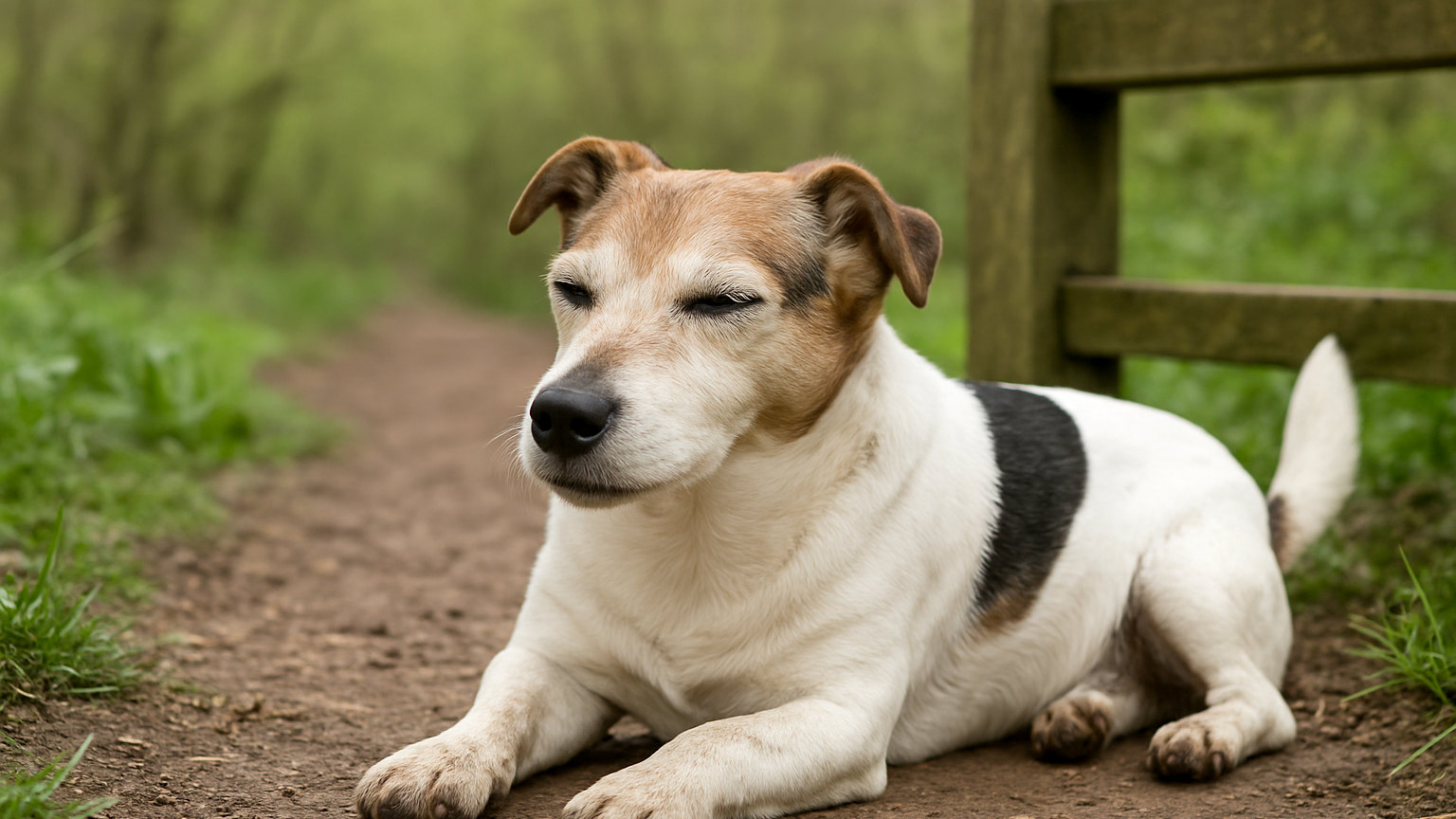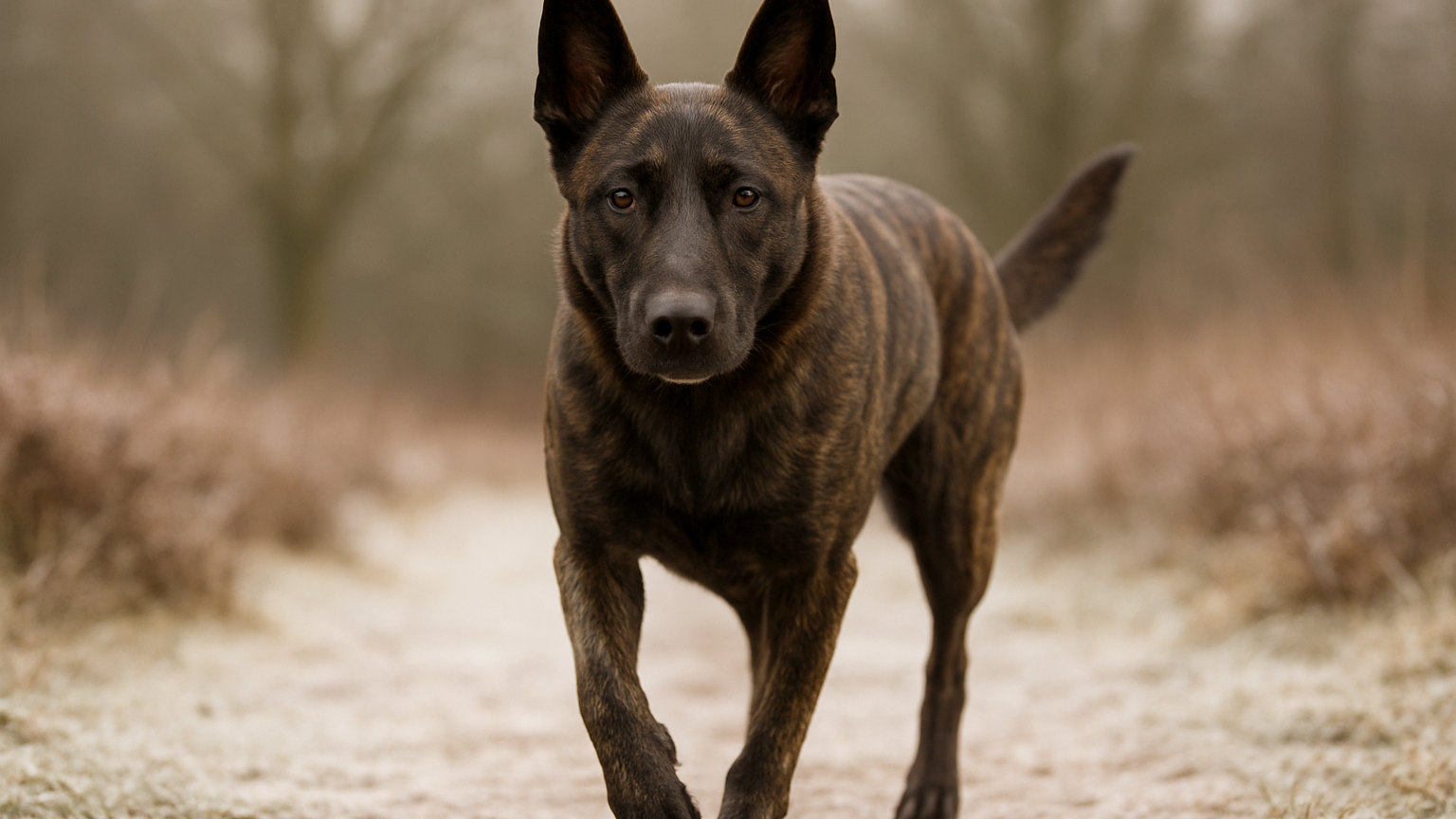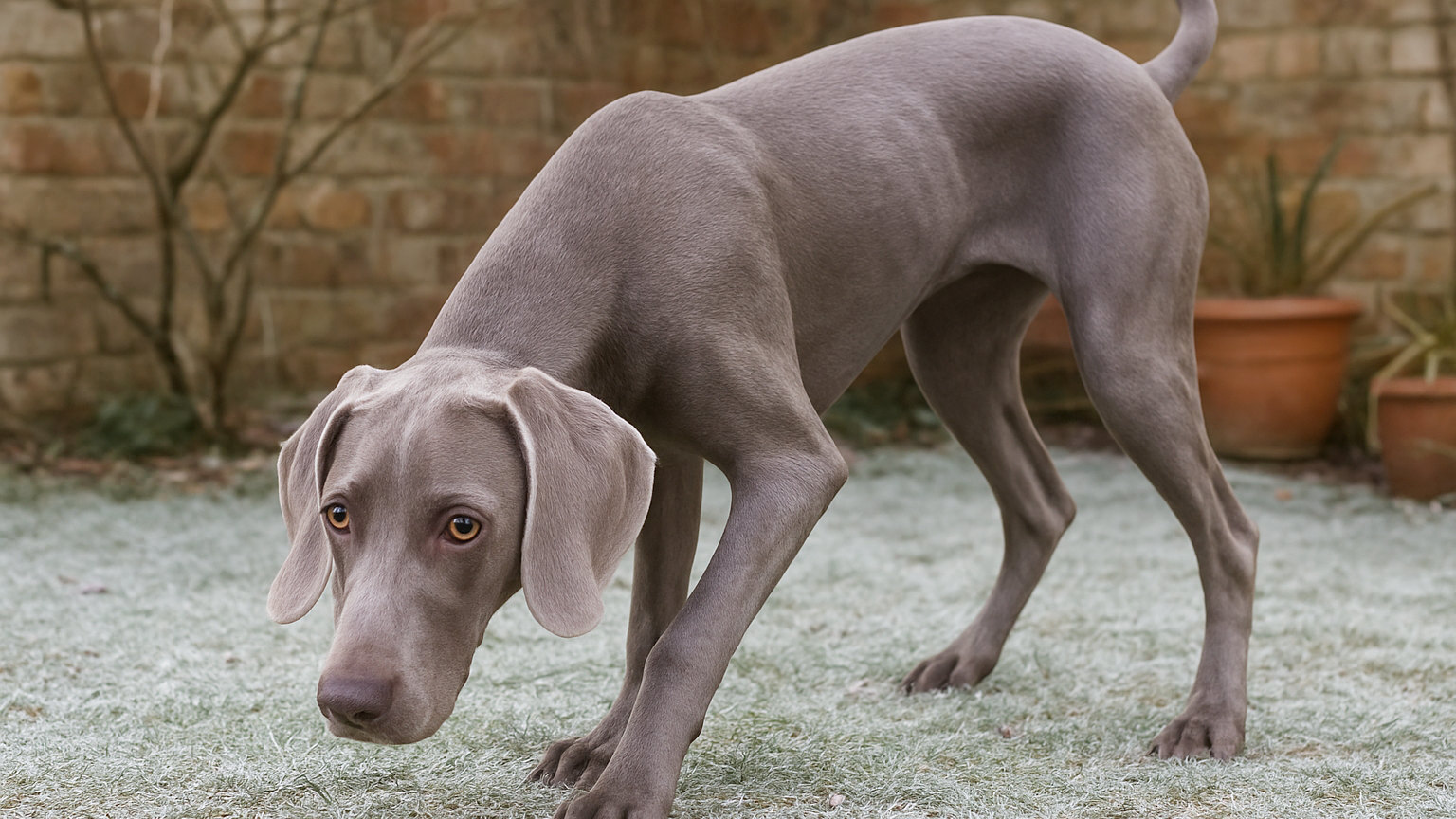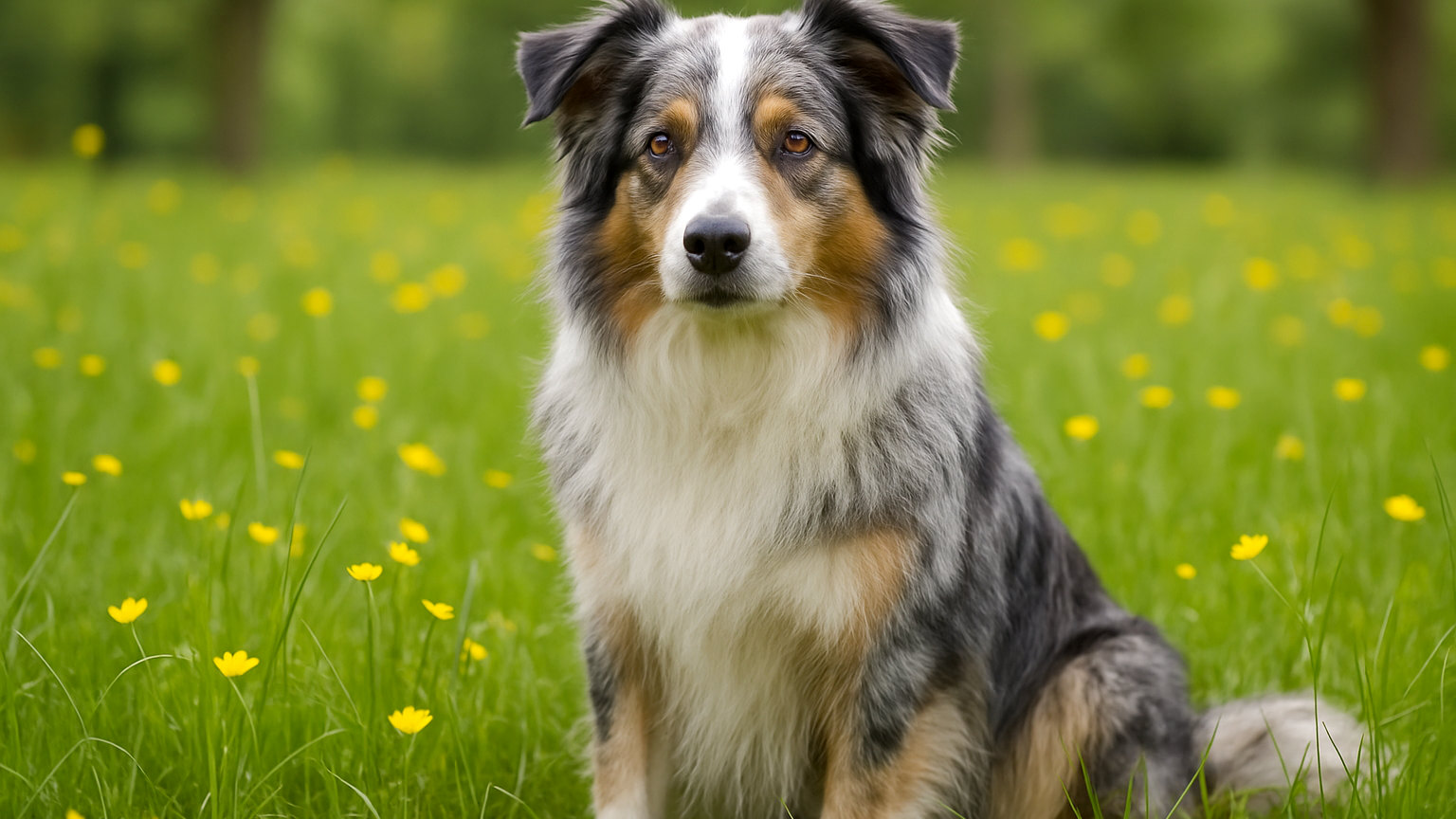
These are the foundation positions and they are taught identically. The technique matters more than the specific position, because it is the same technique you will use for everything else.
How does luring work?
You hold a treat and use it to guide the dog into position, then mark the moment it gets there and reward.
For sit, hold the treat at the dog's nose and move it slowly up and slightly back over its head. As the nose follows, the back end lowers.
For down, from a sit, lower the treat straight to the floor between the front paws, then draw it slowly forward along the ground.
For stand, from a sit, hold the treat at nose height and draw it slowly forward and level so the dog steps up into a stand.
Why does the marker matter?
Because it tells the dog exactly which moment earned the reward. Say yes, or click, the instant the position is reached, then deliver the treat.
Without a marker the dog may think the reward was for whatever it did next, such as standing up again.
Timing is everything here. A marker a second late marks the wrong thing.
How do you fade the lure?
This is the step most owners miss, which is why so many dogs only respond when there is food visible.
After five or six successful repetitions, make the same hand movement with no treat in your hand. Reward from the other hand or a pocket once the dog complies.
Then reduce the hand movement gradually until it becomes a small hand signal. The dog is now responding to the gesture rather than following food.
When do you add the word?
Only once the dog is reliably offering the behaviour, which is the opposite of what most people do.
Saying sit repeatedly while the dog has no idea what it means simply teaches it that the word is background noise.
Once the hand signal works, say the word first, pause briefly, then give the signal. After enough repetitions the dog anticipates and responds to the word alone.
How long should sessions be?
Two to five minutes, several times a day. Ten repetitions then stop, finishing while the dog is still keen.
Long sessions produce a frustrated dog and an owner who concludes it cannot learn.
How do you make it reliable?
Practise in different rooms, then the garden, then outdoors with mild distraction. Dogs generalise poorly and each new context needs rebuilding.
Vary your own position too. A dog that only sits when you are standing directly in front of it has learned something narrower than you intended, so practise while sitting, walking past and from the side.
What about difficult dogs?
Some dogs find down uncomfortable, particularly older or arthritic ones, and short-legged breeds sometimes struggle with the lure. Try luring under a raised leg or a low chair.
If a dog consistently refuses a position it once did easily, consider pain rather than stubbornness and mention it to a vet.
What about hand signals?
Worth teaching alongside words for every position, since dogs read body language more readily than speech and signals work at distance and in noise.
They also matter later in life. A dog that knows hand signals copes far better if it loses its hearing with age, which is common.
Keep signals distinct from each other and use them consistently across the household.
Why teach stand at all?
It is the most overlooked of the three and genuinely useful. Vets need dogs standing for examination, groomers need it for brushing and drying, and it is easier than a sit for arthritic dogs.
Teaching it also means you can move a dog between positions fluently, which is a good test of whether the cues are understood rather than guessed. Sessions of two to five minutes, several times a day, will get you further in a week than one long attempt at the weekend.
These three positions are the foundation of almost everything else you will teach, so it is worth getting the mechanics right rather than rushing to add more cues.