What Should a Weekly Home Health Check Include?
Five minutes a week catches most problems while they are still small, and it costs nothing but the habit of doing it consistently.
By Dog Guides Editorial
25 Apr 2026

The routine background of owning a dog: paw and nail checks, ear and eye cleaning, harnesses and collars that fit properly, hot and cold weather, and the weekly once-over that catches most problems while they are still small and cheap.
Five minutes a week catches most problems while they are still small, and it costs nothing but the habit of doing it consistently.
Eye problems can go from minor to sight-threatening within a day, which is why they are one of the few areas where waiting is a bad idea.
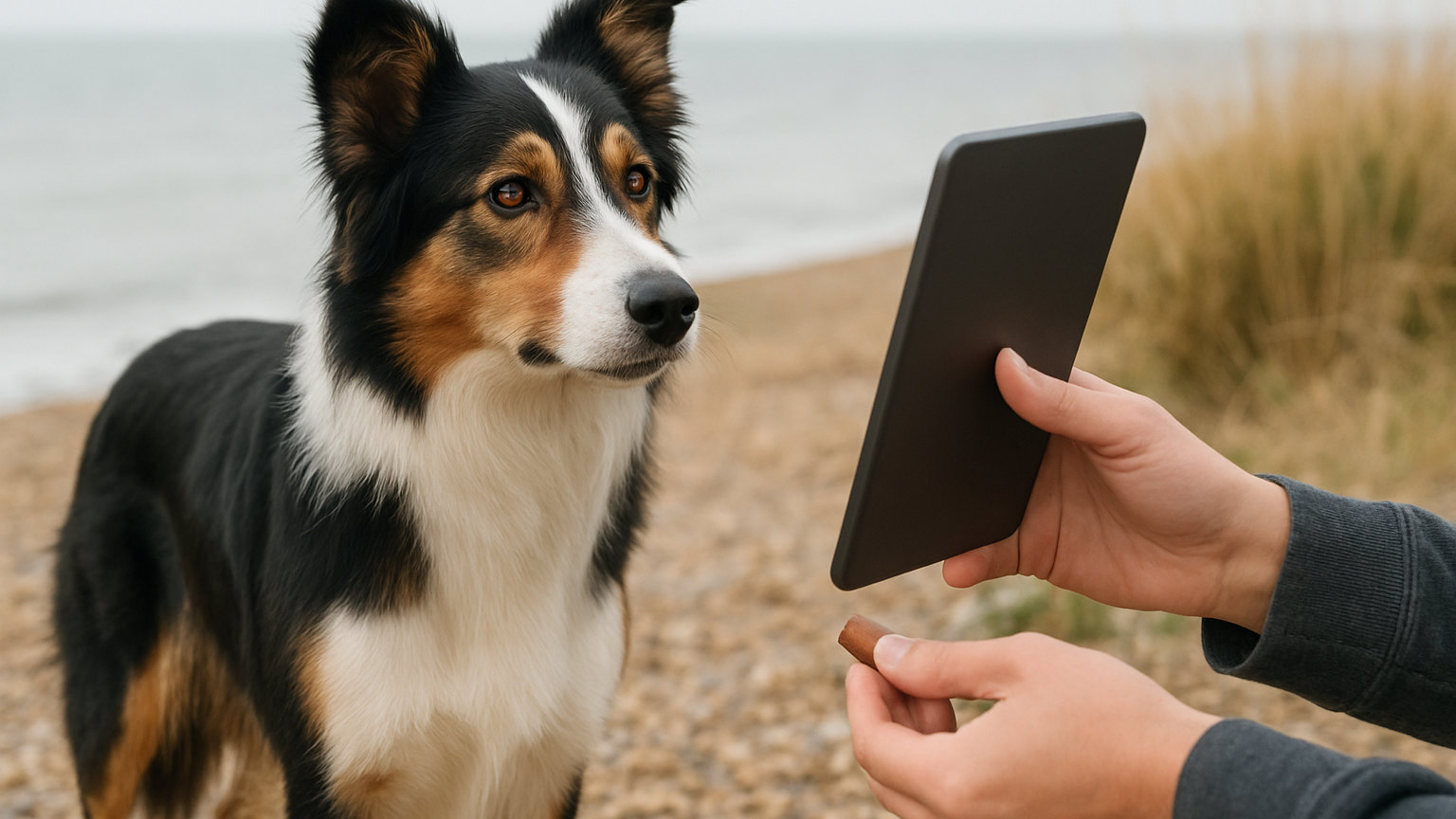
Most dogs take medication easily in food, and the ones that do not are usually detecting a change in routine rather than the tablet itself.
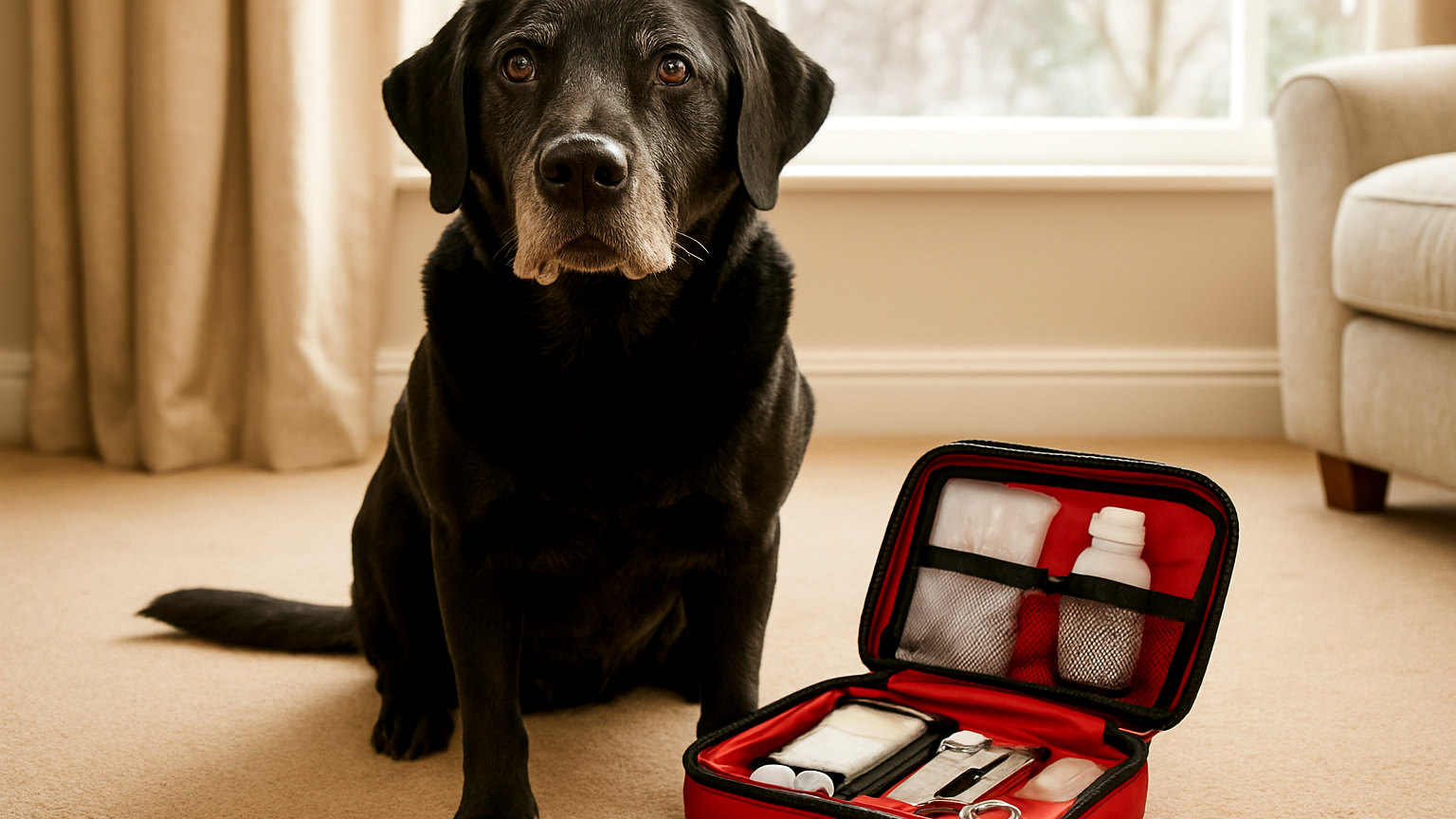
A first aid kit buys time on the way to a vet. Its purpose is stabilising a dog, never treating a problem at home instead.
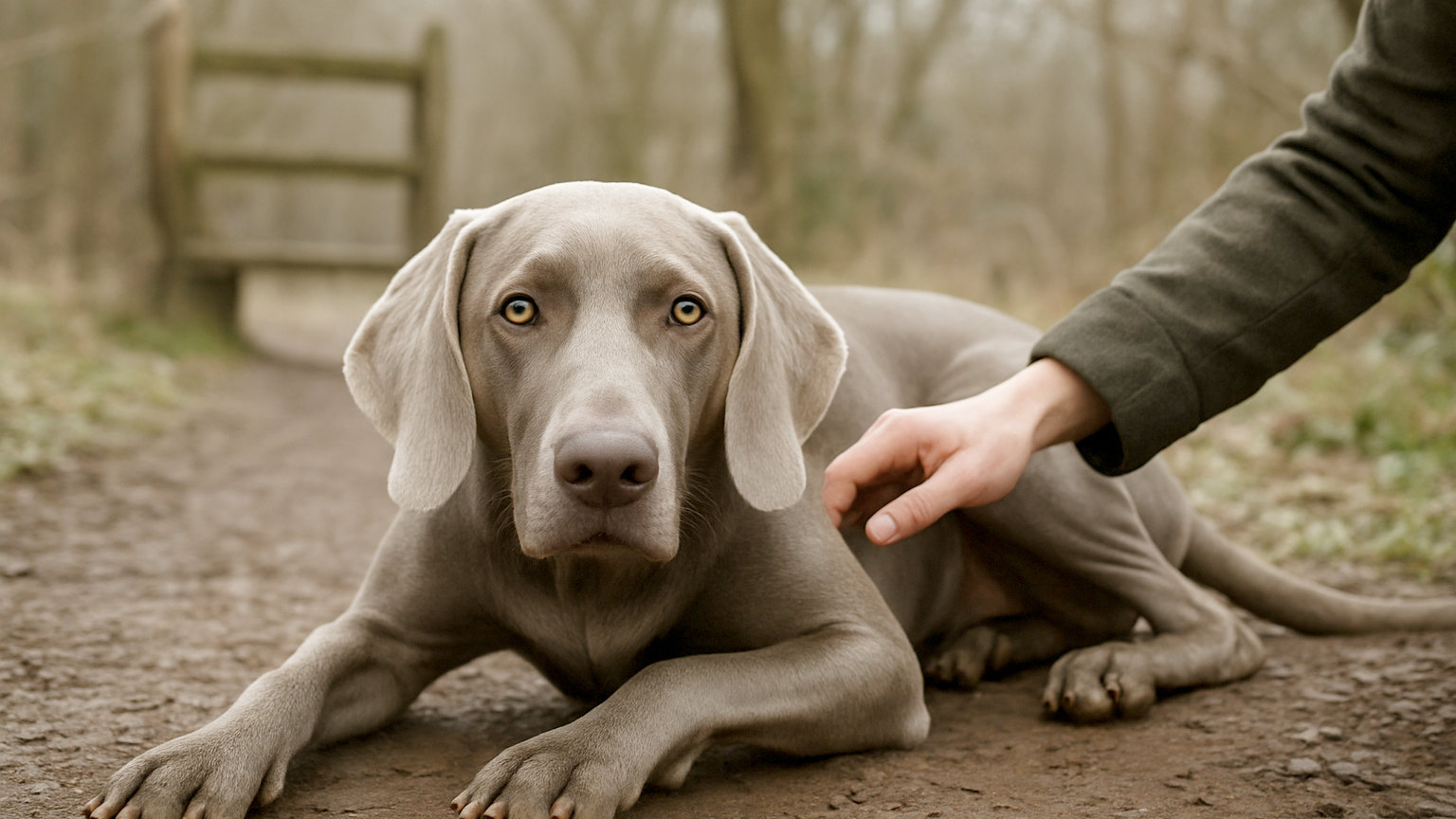
Knowing your dog's normal vital signs when it is well is what makes the readings useful when it is not.
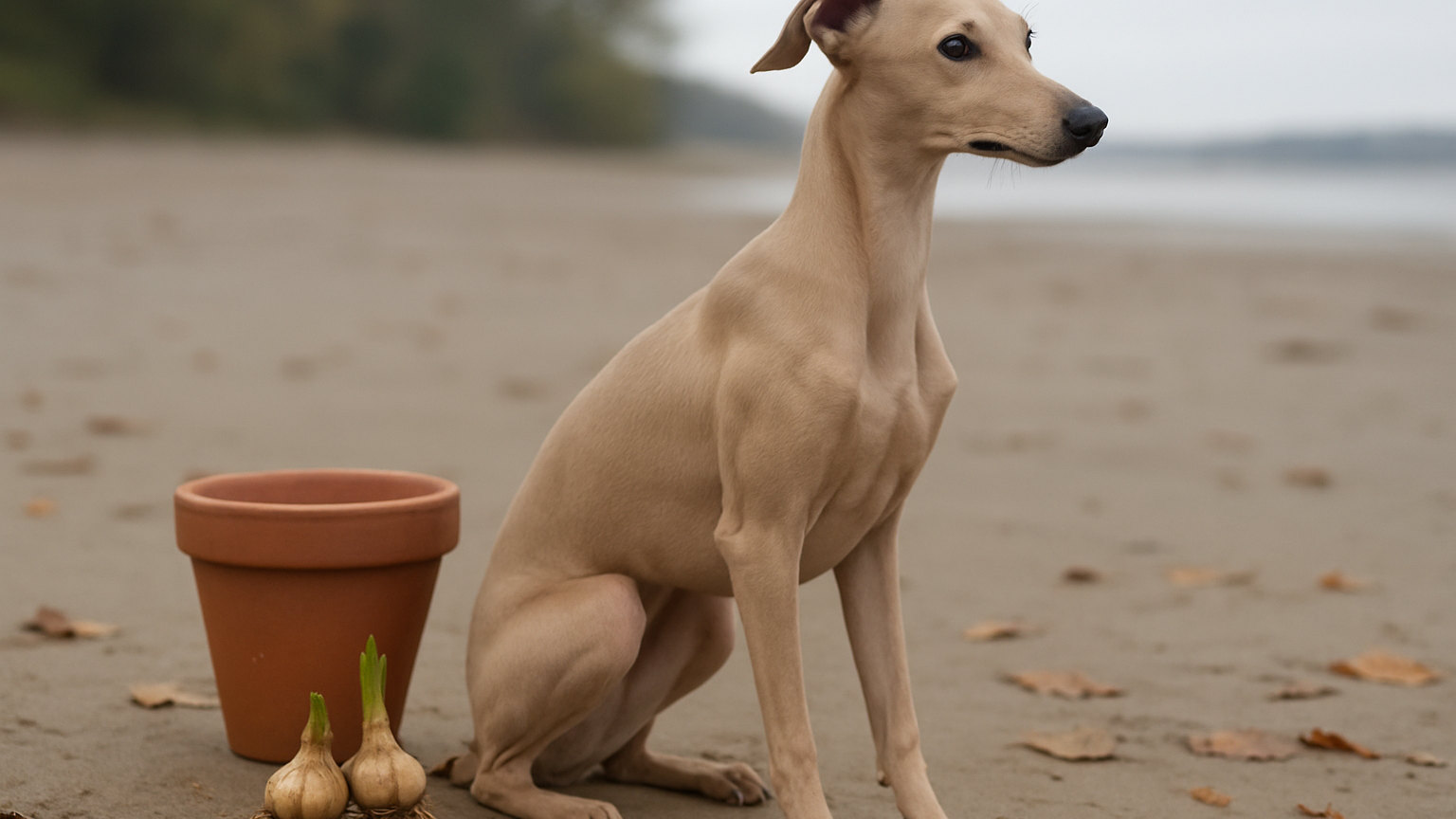
Spring bulbs and a handful of common garden plants account for most cases, and bulbs are considerably more toxic than the flowers.
The type of policy matters far more than the monthly price, and the single biggest factor is how early you take it out.
Register before you need one, and ask about out-of-hours arrangements first, since that is the part that matters at three in the morning.
The first hour matters most, and the most useful thing you can do is often to stay where the dog was last seen rather than searching.
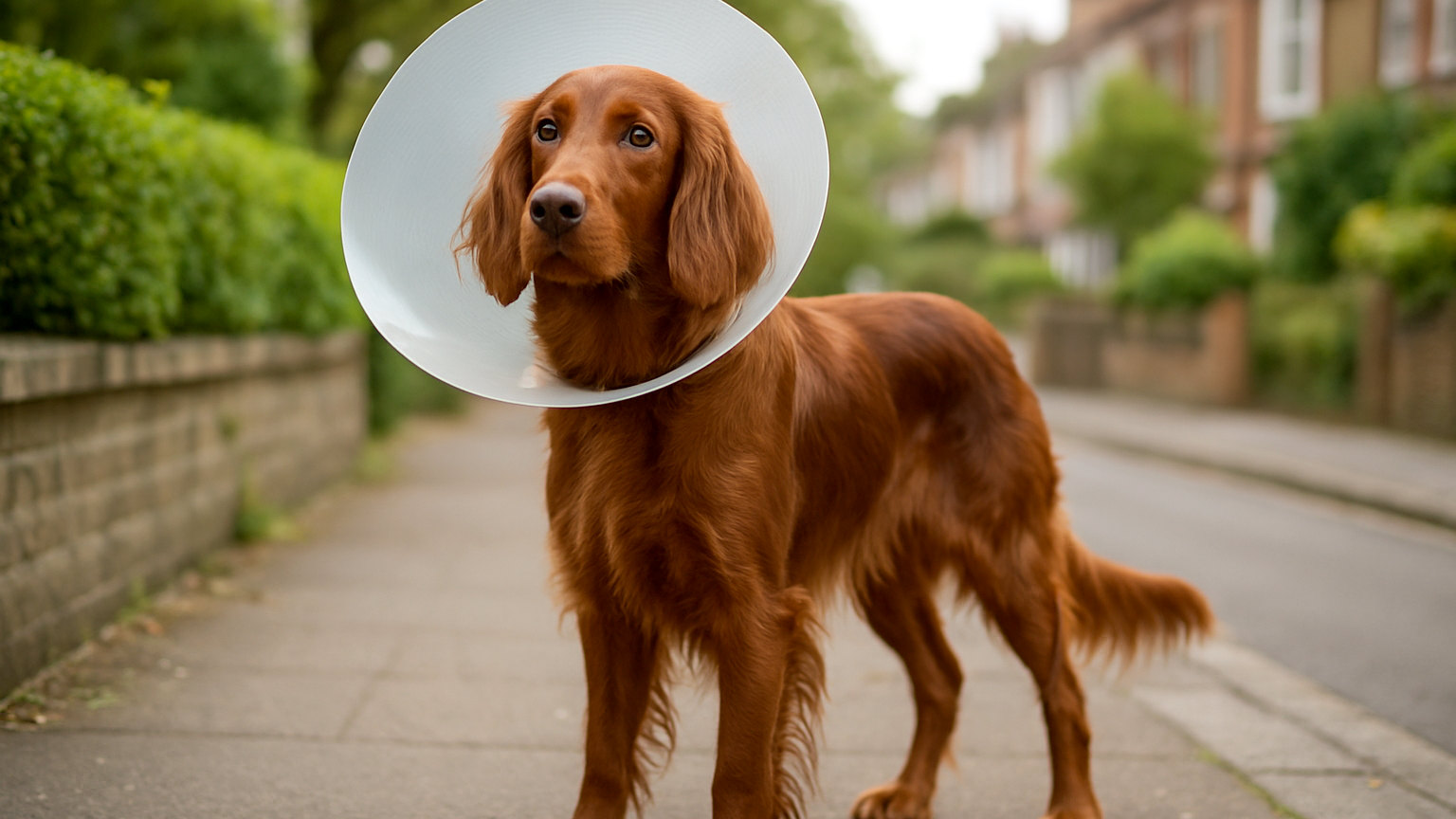
The cone is unpopular and it is preventing the complication that would otherwise send you back to the vet within a week.
Dogs settle better when the shape of the day is familiar, though a routine that is too rigid creates its own problems.
Every owner needs a plan for the days they cannot manage, and arranging it before it is needed is considerably easier than during a crisis.