Most dogs ignore plants, and some chew everything. Knowing which plants in a typical British home and garden matter is worth a few minutes, particularly with a puppy.
Which are the most dangerous?
Yew is among the worst. All parts except the flesh of the berry are highly toxic and affect the heart, and small quantities can be fatal.
Sago palm, sold as a house plant, is severely toxic and causes liver failure. Every part is dangerous and the seeds most of all.
Autumn crocus contains colchicine and causes severe organ damage. Foxglove affects the heart. Oleander and laburnum are also seriously toxic.
What about spring bulbs?
A common seasonal problem, and the bulb is far more toxic than the flower. Daffodil, tulip and hyacinth bulbs all cause vomiting, drooling and abdominal pain, and larger quantities can affect the heart.
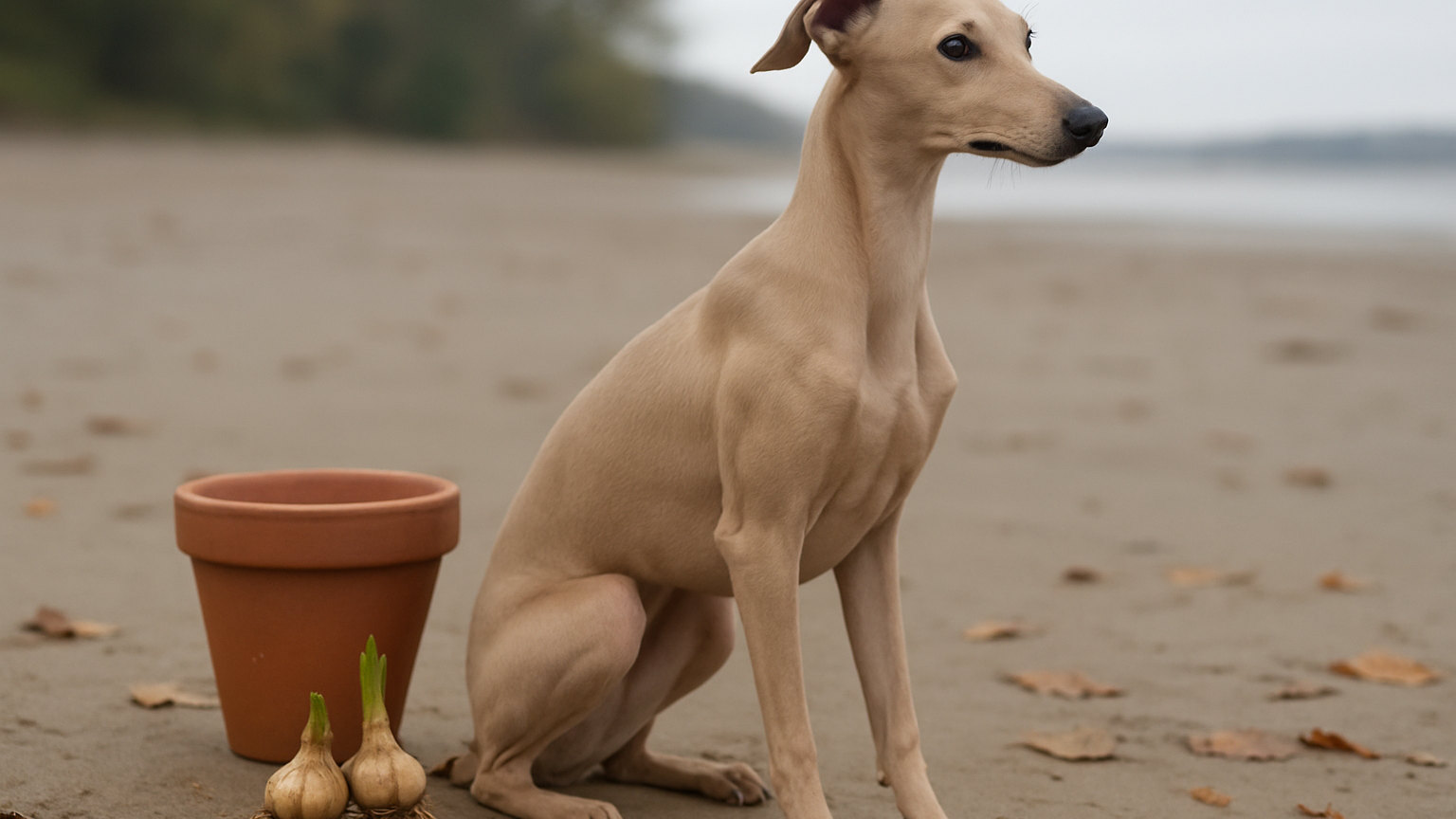
Dogs frequently dig up newly planted bulbs in autumn, or eat stored bulbs in a shed. Keep bags out of reach and supervise a digging dog around fresh planting.
Daffodils in water are also a risk, since the water itself becomes contaminated.
Which garden plants cause problems?
Azalea and rhododendron, both of which affect the heart and gut. Wisteria, particularly the seeds. Cyclamen, with the tuber most toxic.
Acorns and oak leaves cause stomach upset and kidney damage in quantity, and autumn is when dogs encounter them. Conkers from horse chestnut trees are toxic and can also cause obstruction.
Ivy causes skin irritation and stomach upset. Lily of the valley affects the heart.
Which house plants matter?
Dieffenbachia, philodendron, monstera and peace lily contain crystals that cause immediate mouth pain, drooling and swelling. These are rarely fatal but genuinely painful.
Aloe vera causes vomiting and diarrhoea. Poinsettia is widely feared and is actually only mildly irritant, though mistletoe and holly berries are more of a concern at Christmas.
True lilies are the classic emergency in cats and cause milder effects in dogs, but are still worth avoiding.
What are the signs of plant poisoning?
Drooling, pawing at the mouth, vomiting, diarrhoea and loss of appetite are the common early ones.
More serious signs include lethargy, wobbliness, tremors, collapse, an abnormal heart rate, difficulty breathing or seizures.
Some effects are delayed. Liver and kidney damage may not become apparent for a day or two, which is why waiting to see what happens is the wrong approach.
What should you do?
Ring the vet immediately, before symptoms appear. Take a sample or photograph of the plant, since identification changes what treatment is appropriate.
Note roughly how much was eaten and when. Do not try to make the dog sick unless a vet has specifically told you to.
There are specialist animal poison advice services in the UK that owners can call directly for a fee, and your practice can also contact them.
How do you reduce the risk?
Identify what is already in your garden rather than assuming. Fence off problem areas or remove the worst offenders, particularly yew and sago palm.
Keep bulbs, seeds and fertiliser in a closed shed. Supervise puppies, which chew indiscriminately, and provide plenty of appropriate chews so plants are less interesting.
Which plants are safe to have?
Plenty. Spider plants, areca and parlour palms, calathea, boston fern, african violet and most herbs are non-toxic and widely available.
In the garden, roses, sunflowers, snapdragons, camellia, fuchsia and most ornamental grasses are considered safe. Many lawns and borders can be planted entirely without toxic species.
If in doubt about something already growing, photograph it and ask at a garden centre or check a reputable plant toxicity list rather than guessing from appearance.
The sensible approach is to check what you already have rather than trying to memorise a list. A few minutes identifying the plants in your garden is worth more than any amount of general caution. Puppies are the highest risk group, since they chew indiscriminately and explore with their mouths, so the garden audit is worth doing before a new dog arrives rather than afterwards.