How Much Sleep Do Dogs Need?
Adult dogs sleep for around half the day and puppies for closer to three quarters, which is considerably more than most owners assume.
By Dog Guides Editorial
18 May 2026

How much sleep dogs need is routinely underestimated, and an overtired puppy looks almost exactly like an overexcited one. These guides cover crate use, bed choice, where the dog sleeps, and the sleep changes that are worth mentioning to a vet.
Adult dogs sleep for around half the day and puppies for closer to three quarters, which is considerably more than most owners assume.
There is no single right answer, but changing the arrangement later is far harder than deciding it before the dog arrives.
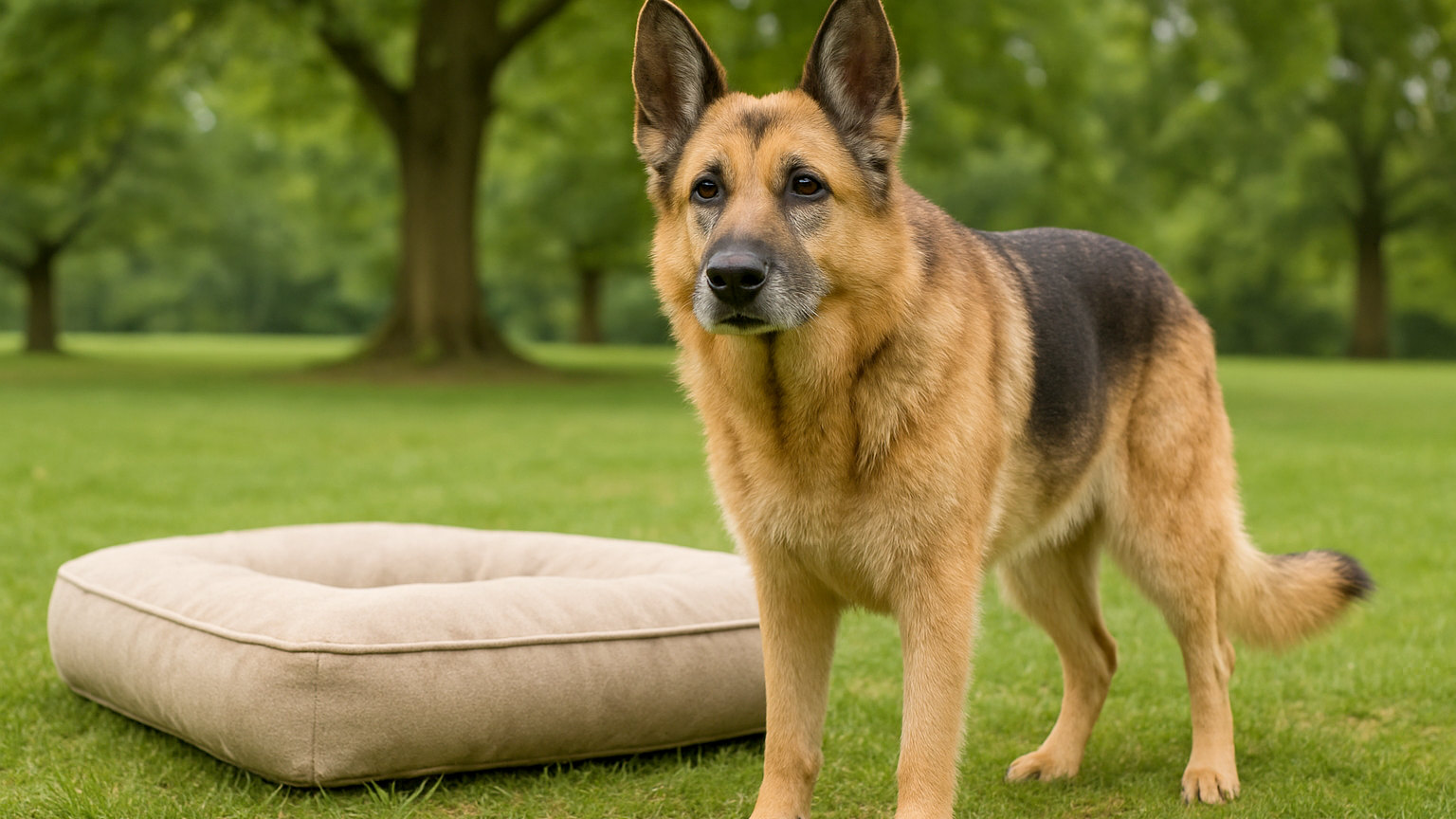
Most dog beds are bought too small, and the difference between a supportive bed and a thin cushion matters most to the dogs least able to tell you.
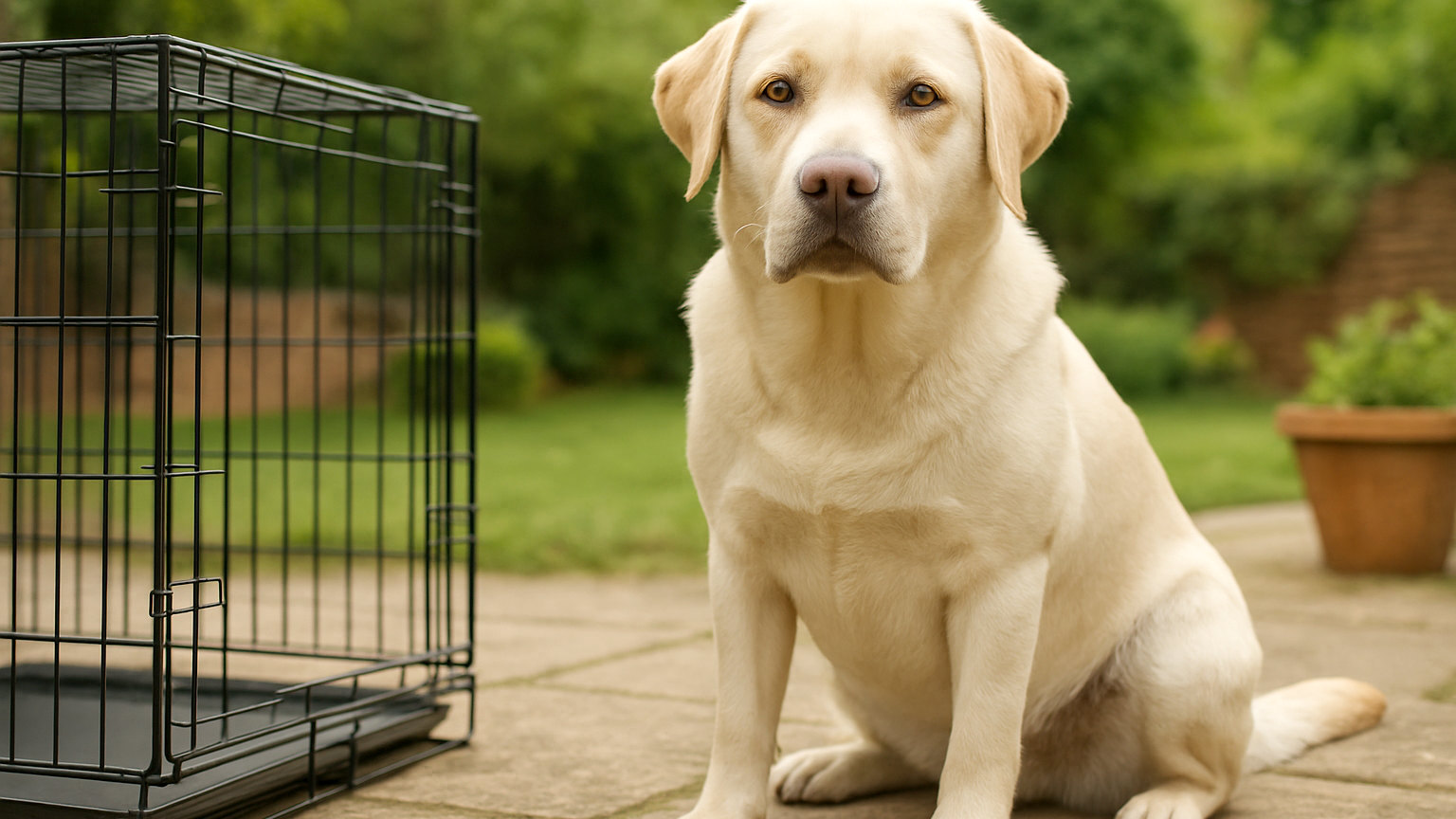
A crate is neither inherently kind nor cruel. What determines which it is comes down to training, duration and whether the dog can choose to use it.
Crate training works by never letting the dog become worried, which means going slower than feels necessary in the first week.
Sharing a bed with a dog does not cause behaviour problems, though there are practical reasons some households decide against it.
Most puppies waking at night need the toilet, are overtired, or have learned that noise brings company, and the three need different responses.
Early waking is usually learned, and the thing that maintains it is almost always what happens in the first minute after the dog wakes you.
An overtired dog and an under-exercised one look almost identical, and the usual response to one makes the other considerably worse.
Dogs almost certainly dream, and waking one abruptly is a common cause of bites, particularly with older or rescue dogs.
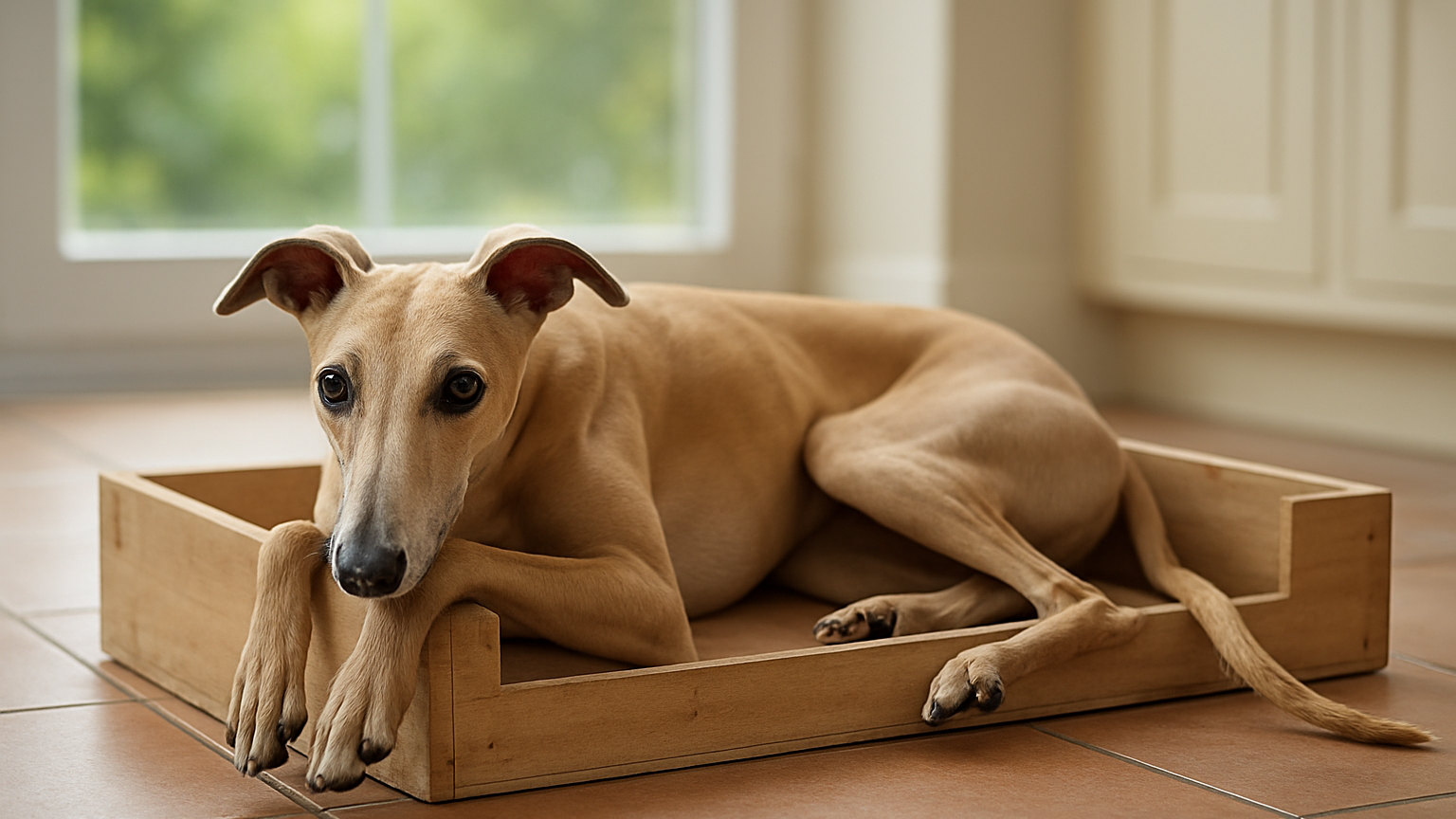
Most sleeping positions come down to temperature and comfort, though a change in how a dog lies can be an early sign of pain.
Night-time restlessness in an older dog is rarely just age. Pain and cognitive decline account for most of it, and both are treatable.