Sleep is one of the most misunderstood parts of dog ownership. Owners frequently worry that a dog sleeping a great deal is unwell or bored, when in most cases it is doing exactly what it should.
How much is normal?
An adult dog typically sleeps around twelve to fourteen hours in a twenty-four hour period, spread across the night and multiple daytime naps.
Puppies need considerably more, usually eighteen to twenty hours a day. Senior dogs also sleep more, often returning to sixteen hours or beyond.
Large and giant breeds tend to sleep more than small ones, and some are famous for it. Greyhounds and other sighthounds routinely sleep eighteen hours a day as healthy adults.
Why do dogs nap so much?
Because their sleep is polyphasic rather than consolidated into one long block. Dogs sleep in shorter cycles throughout the day and night, waking easily and dropping off again quickly.
Sleep cycles are also shorter than ours, lasting roughly fifteen to twenty minutes, and dogs enter deep sleep faster. That is an evolutionary advantage for an animal that needed to rouse quickly.
The practical consequence is that broken sleep matters more to dogs than to people, since a dog woken repeatedly gets less genuine rest than the total hours suggest.
Does breed or lifestyle change it?
Somewhat. Working dogs in genuine employment sleep less during the day simply because they are occupied. Pet dogs in a quiet house sleep more.
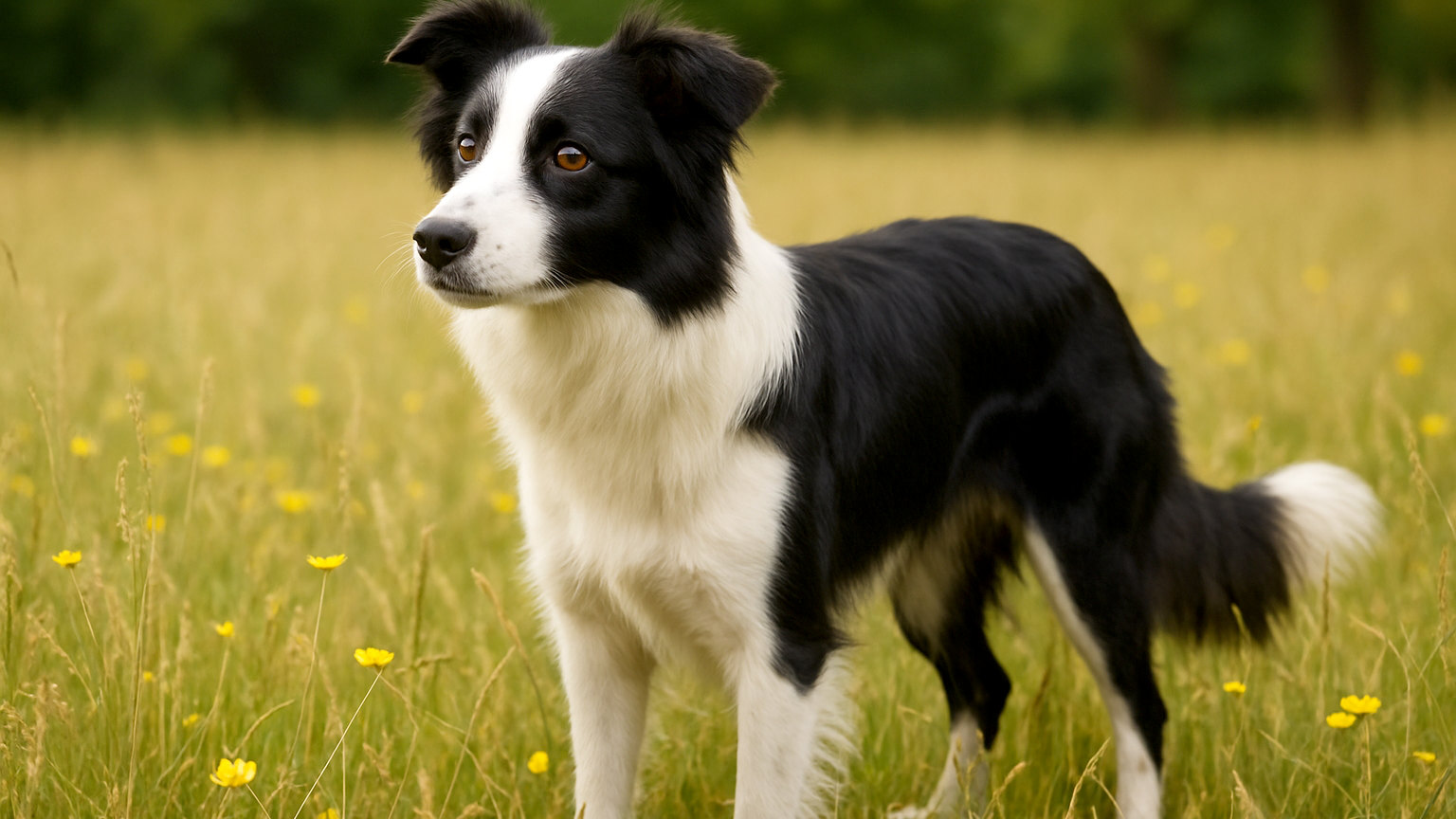
Highly active breeds do not necessarily need less sleep, and this catches owners out. A Border Collie that has worked hard needs recovery time, and an under-rested one becomes more difficult rather than calmer.
Can a dog sleep too much?
A dog exceeding its normal pattern is worth noticing. What matters is change relative to that dog rather than an absolute figure.
Increased sleeping alongside reduced appetite, reluctance to walk, weight change, increased thirst or a dull coat warrants a veterinary appointment. Hypothyroidism, anaemia, pain and a range of other conditions present as lethargy.
A dog that is hard to rouse, or that seems disoriented on waking, needs prompt attention.
Can a dog get too little?
Yes, and it is more common than owners realise, particularly with puppies and adolescents in busy households.
A dog that is repeatedly disturbed, or that lives somewhere with constant activity and no quiet retreat, becomes chronically sleep deprived. The result looks like hyperactivity: frantic behaviour, mouthiness, inability to settle and poor impulse control.
The instinctive response is more exercise, which makes it worse. Enforced rest usually produces a noticeably calmer dog within days.
How do you protect a dog's sleep?
Provide a quiet place away from the front door and the busiest route through the house, and make it genuinely undisturbed. Children should never approach the dog there.
Build a predictable daily rhythm, since dogs settle better when the shape of the day is familiar. A rest period after every walk teaches that activity is followed by downtime.
When should you be concerned?
Any marked change in pattern. A dog that suddenly sleeps far more, or far less, or that starts pacing at night, is telling you something.
Night-time restlessness in older dogs is particularly worth investigating, since it can indicate pain or cognitive decline, both of which are treatable.
Does interrupted sleep matter?
More than the total hours suggest. Because dogs sleep in short cycles and enter deep sleep quickly, being woken repeatedly means they never complete the restorative stages properly.
A dog resting in a hallway where people step over it every few minutes is technically getting hours of sleep and very little benefit from them.
This is why the quality of the sleeping spot matters as much as the opportunity. Somewhere out of the traffic, away from the door and genuinely undisturbed is worth more than a longer nap in a busy room.
The practical takeaway is that a dog sleeping a great deal is usually a dog doing what it should. Learn your dog's normal pattern, and treat a change in that pattern as the thing worth investigating rather than the total number of hours.