What Is the Difference Between Aggression and Reactivity?
Most dogs that bark and lunge are frightened rather than dangerous, though the distinction is one a professional should make rather than an owner.
Most lunging and growling on the lead is fear or frustration rather than dominance, and growling is information worth keeping: punish it and you remove the warning, not the feeling. Serious cases need a qualified behaviourist and often a vet, since pain is a common trigger.
Most dogs that bark and lunge are frightened rather than dangerous, though the distinction is one a professional should make rather than an owner.
A growl is information, and punishing it teaches the dog to skip the warning and go straight to the bite.
A dog that lunges on lead and plays happily off it is not being inconsistent. The lead itself is a large part of the problem.</p>
Management comes first: every reaction rehearses the behaviour, so walks that avoid triggers do more good than walks that confront them.
Guarding is normal behaviour rather than a character flaw, and the standard advice to take things away reliably makes it worse.
This is the situation where acting immediately matters most, because most bites to children come from a familiar dog in the family home.
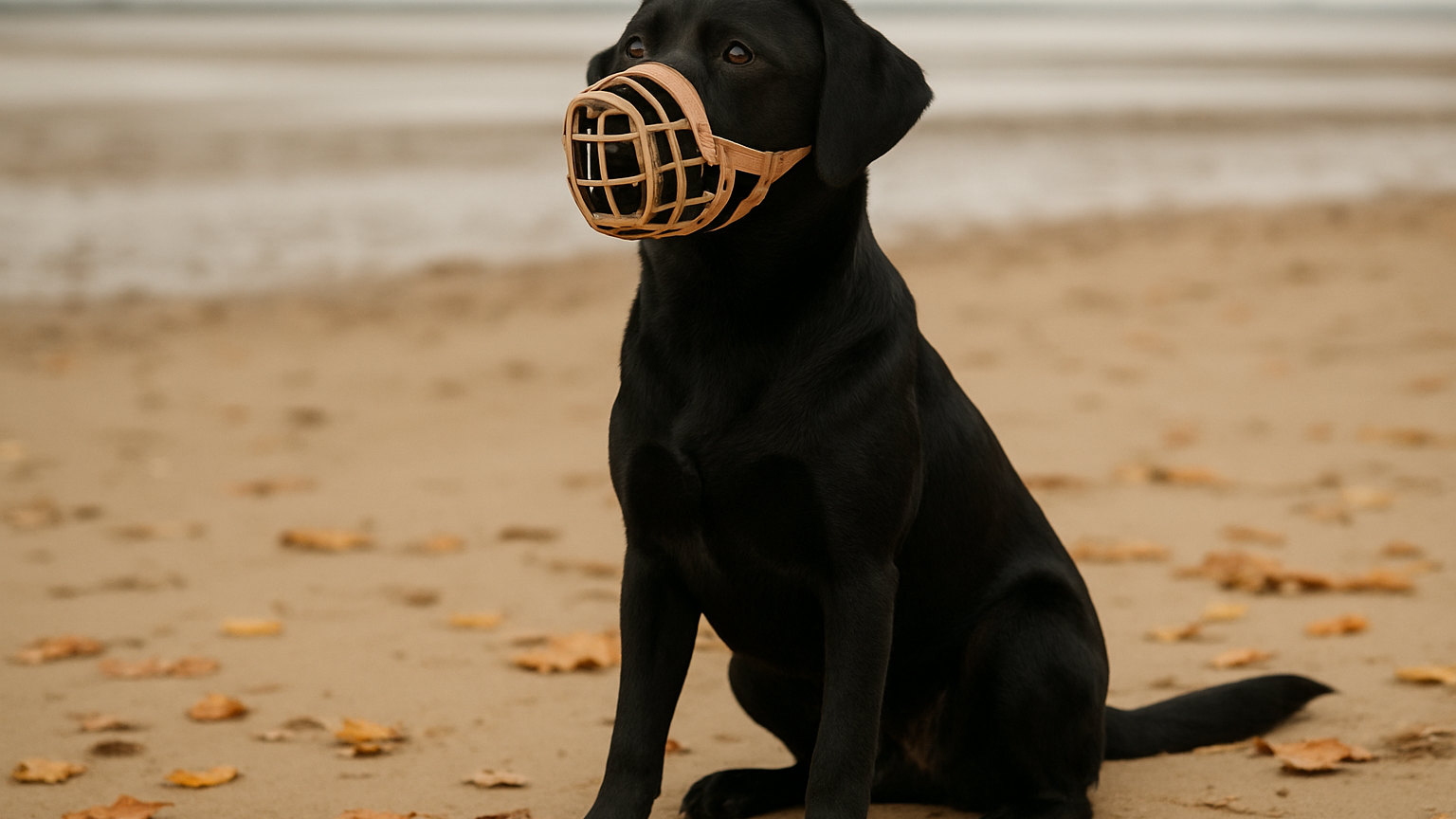
Every dog should be muzzle trained before it needs to be, because the worst time to introduce one is at an emergency vet at midnight.
Deal with the injury first, secure the dog, and then get proper assessment, because a bite that is not investigated tends to happen again.
Most aggression is managed rather than cured, and a well-managed dog can live a completely normal life without the behaviour recurring.
Household conflict usually builds through small tensions long before the first fight, and the warning signs are visible for weeks.
Anyone in the UK can call themselves a behaviourist, which makes checking credentials the most important step you will take.
Pain is involved in a large proportion of canine behaviour cases, which is why every behaviour problem starts with a veterinary examination.