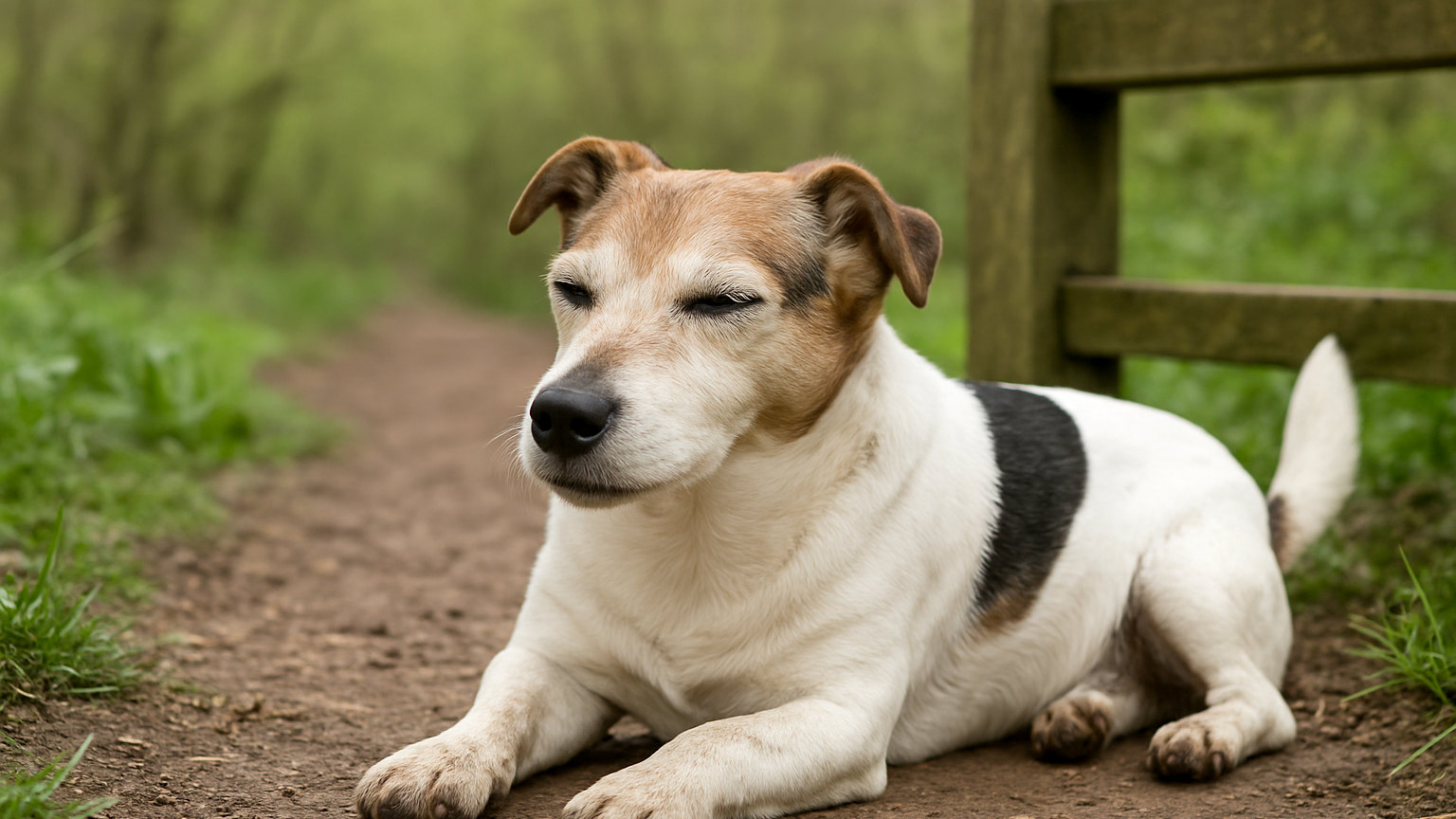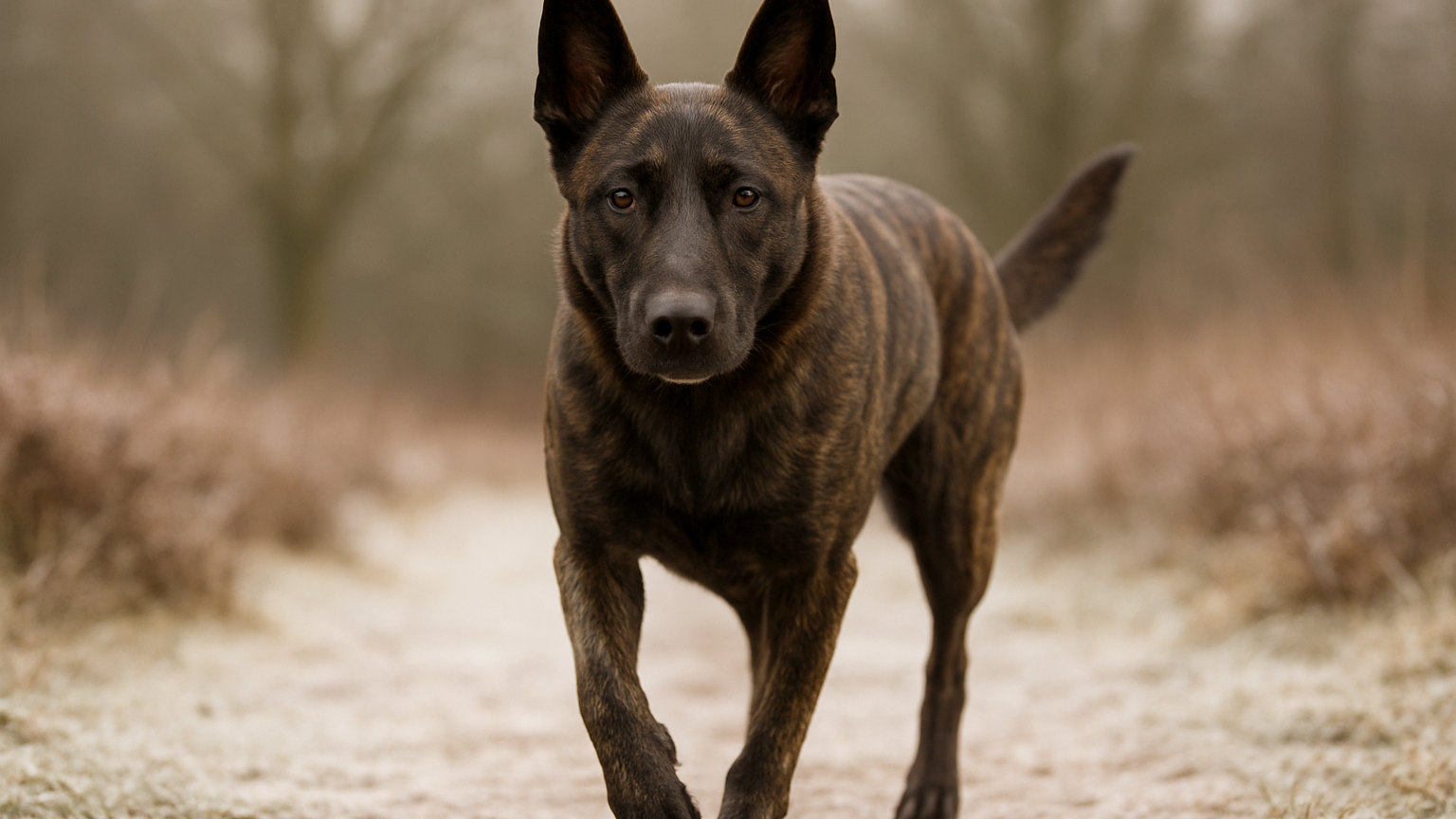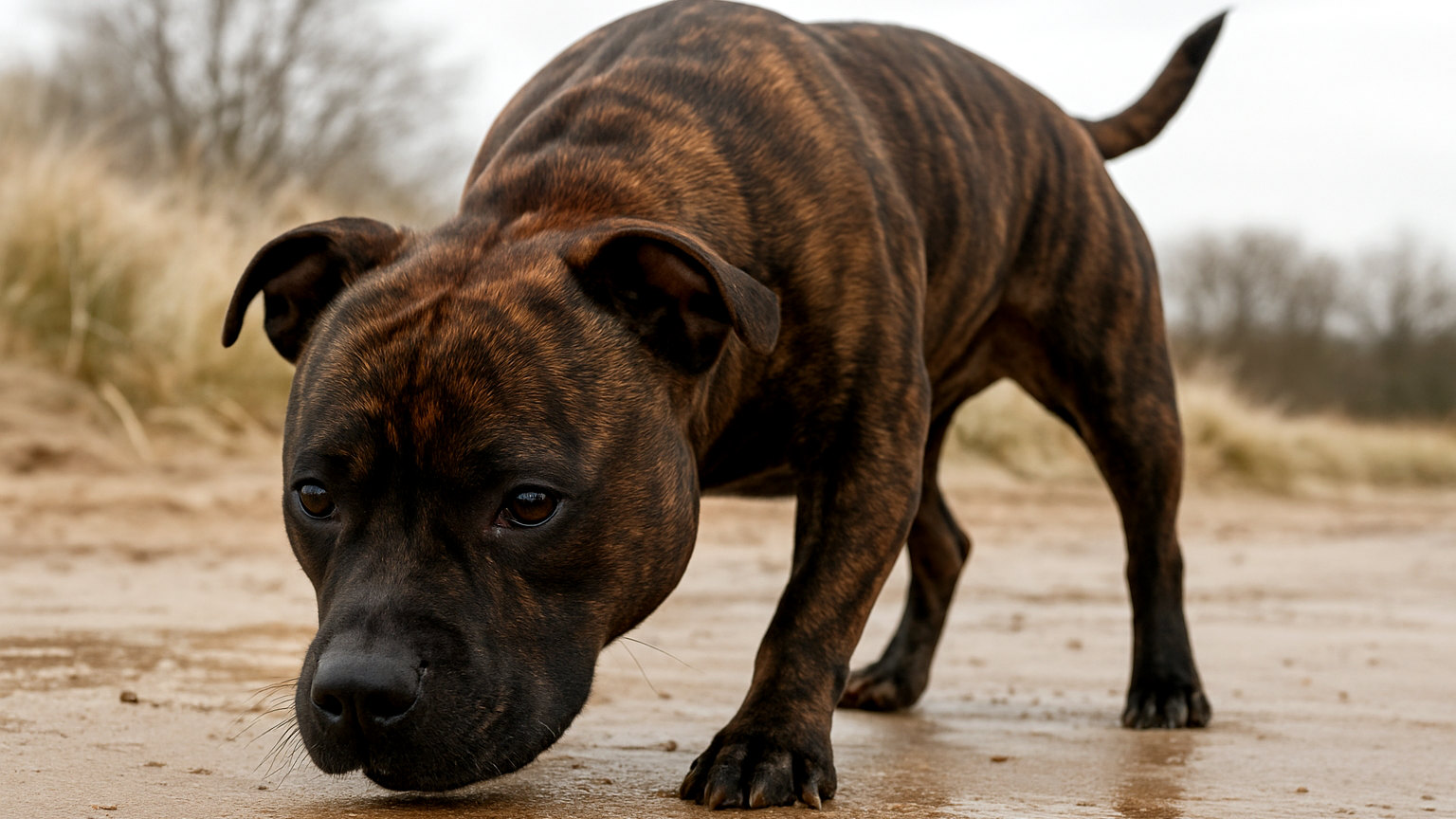
Lead reactivity is extremely common and frequently misread. Understanding why the lead changes things explains most of what owners find confusing.
Why does the lead make a difference?
Because it removes choice. A loose dog that feels uncomfortable can move away, curve around another dog, or increase distance.
On a lead, none of that is possible. A worried dog that cannot retreat is left with one remaining option: make the thing go away by looking frightening.
Dogs also greet naturally by approaching in a curve. A lead forces a straight-on approach, which is confrontational in canine terms.
What is barrier frustration?
The other main cause, and quite different in emotion. A sociable dog that badly wants to greet another dog and cannot becomes frustrated, and frustration looks like reactivity.
These dogs are typically loose-bodied, with a high wagging tail and forward, bouncy movement, and they usually settle instantly if allowed to greet.
Fear-based reactivity looks different: stiffer, with weight sometimes shifted back, and the dog does not want to get closer at all.
How can you tell which it is?
By the body language and by what happens afterwards. A frustrated dog relaxes on meeting; a frightened dog does not want to meet.
The distinction matters, since frustration responds well to teaching impulse control and calm greetings, while fear needs distance and changing the emotion.
If you are unsure, film it. Behaviour is far easier to read on a screen than in the moment.
Does the owner contribute?
Usually without meaning to. Tightening the lead when another dog appears passes tension directly to the dog and confirms that something is wrong.
Holding the lead short and rigid restricts the dog's ability to move its body naturally, which increases the sense of being trapped.
Owners also become anxious in anticipation, and dogs read that reliably. It is a genuine feedback loop and not the owner's fault.
Does equipment matter?
Yes. A well-fitted harness rather than a collar reduces discomfort, which matters because pain around the neck when lunging adds a negative association with the trigger.
Avoid choke chains, prong collars and slip leads used correctively, which pair discomfort with the sight of another dog and reliably worsen reactivity over time.
A slightly longer lead of around two metres gives the dog room to move its body without giving up control.
Is it getting worse?
Reactivity typically escalates without intervention, because each episode rehearses the behaviour and confirms that it works. The other dog always does eventually pass.
It also frequently begins or worsens during adolescence, between six and eighteen months, which catches many owners out.
What should you do?
See a vet to rule out pain, then work with a qualified behaviourist. Meanwhile, increase distance from triggers and avoid situations you cannot manage.
Does it get better with age?
Not on its own. Reactivity that begins in adolescence frequently intensifies rather than fading, because each episode rehearses the behaviour.
What does change is that owners adapt, often by walking at unsocial hours and avoiding everywhere, which reduces incidents without changing the dog.
Proper intervention early is considerably more effective than waiting to see whether it settles.
What about off-lead time?
Many lead-reactive dogs are perfectly sociable off lead, and secure hire fields let them run without risk while you work on the lead problem separately.
What should you do about it?
See a vet first, since pain lowers the threshold for everything. Then work with a behaviourist registered with the Animal Behaviour and Training Council.
Meanwhile, manage: more distance, quieter routes, a comfortable harness, and turning away early rather than pushing past.
How common is it?
Very. Lead reactivity is among the most frequent reasons owners contact behaviourists, and a large number of dogs display some version of it.
It is also one of the more treatable behaviour problems when addressed properly, which is worth knowing at the point it feels hopeless.