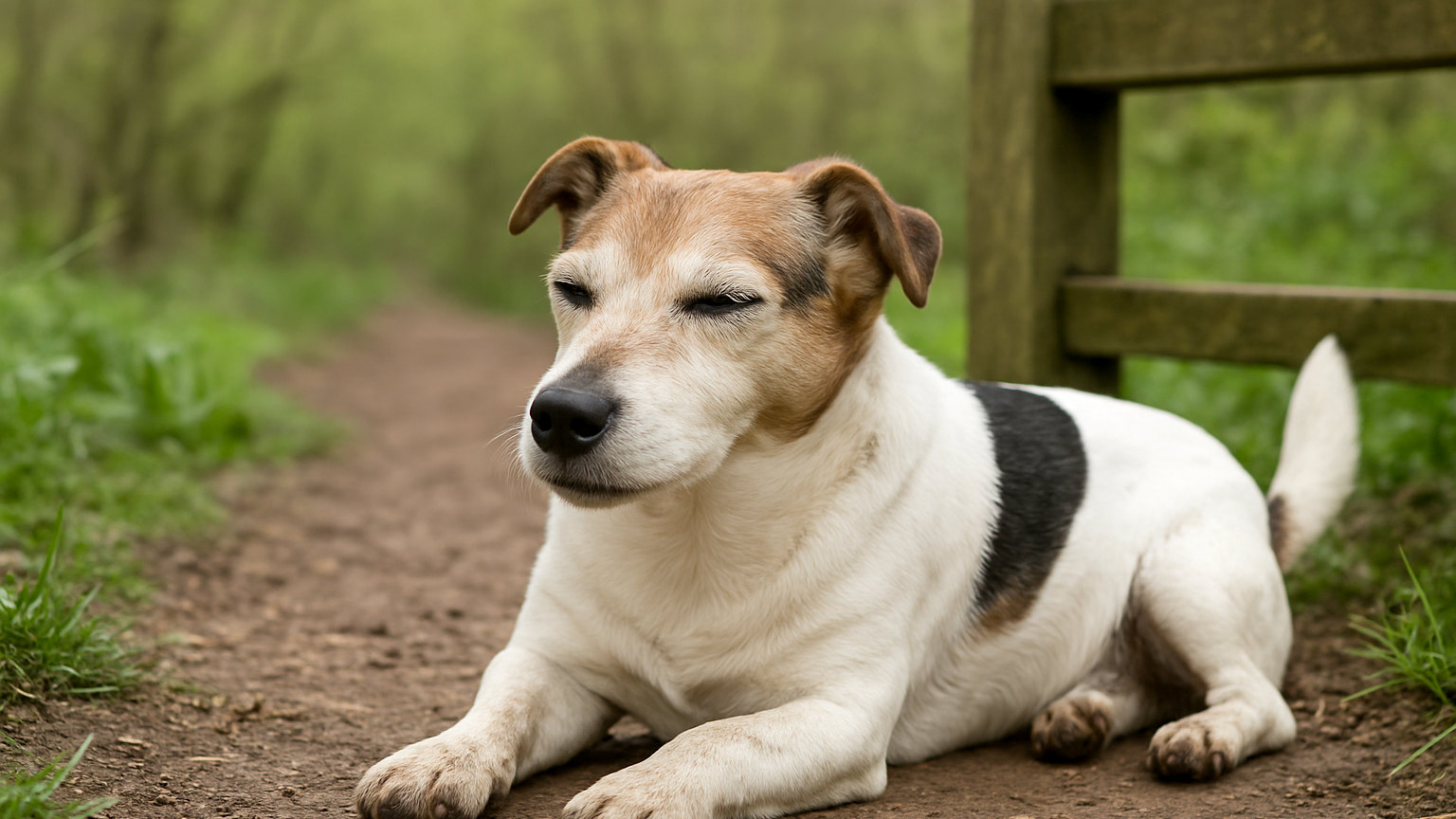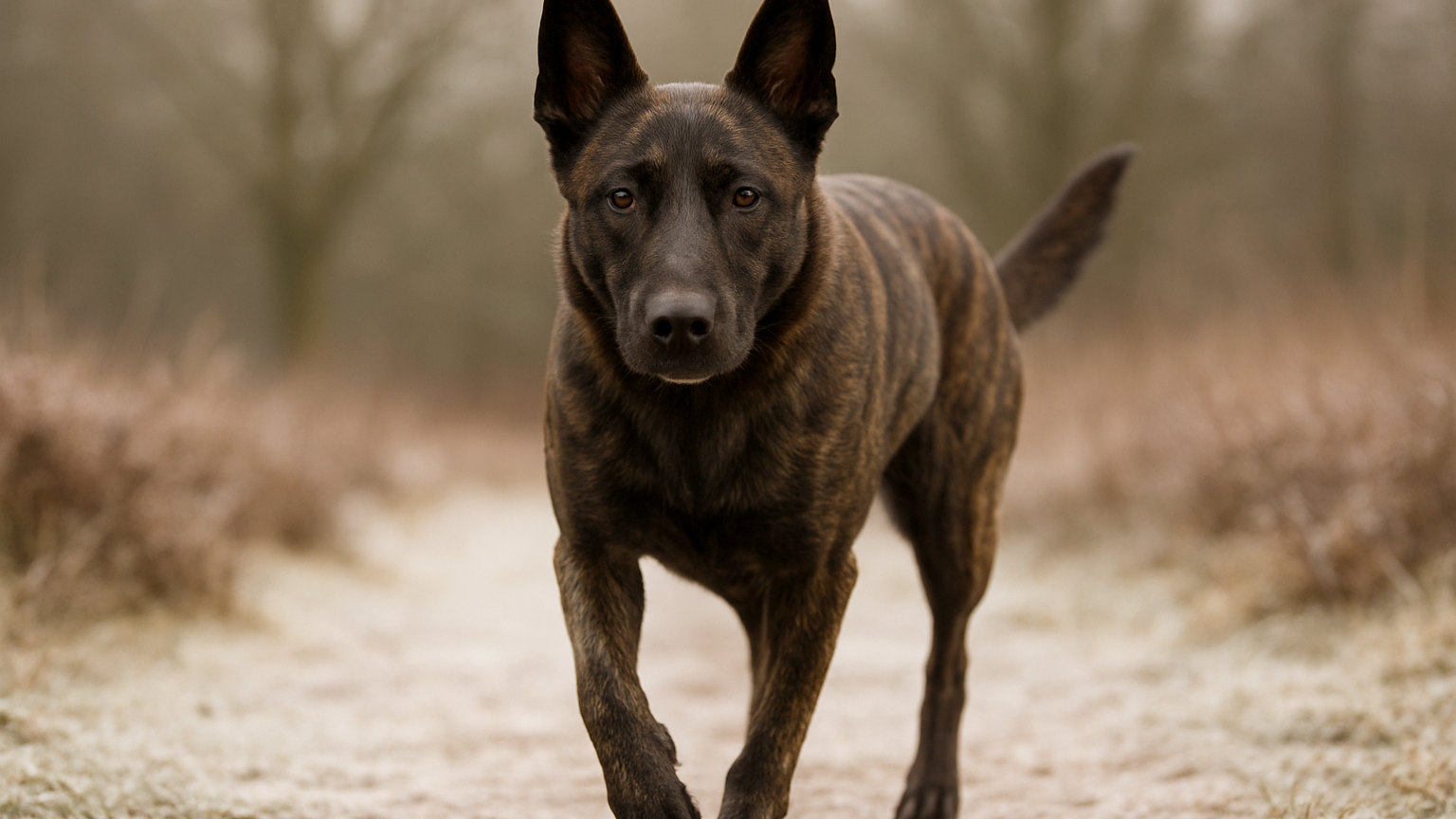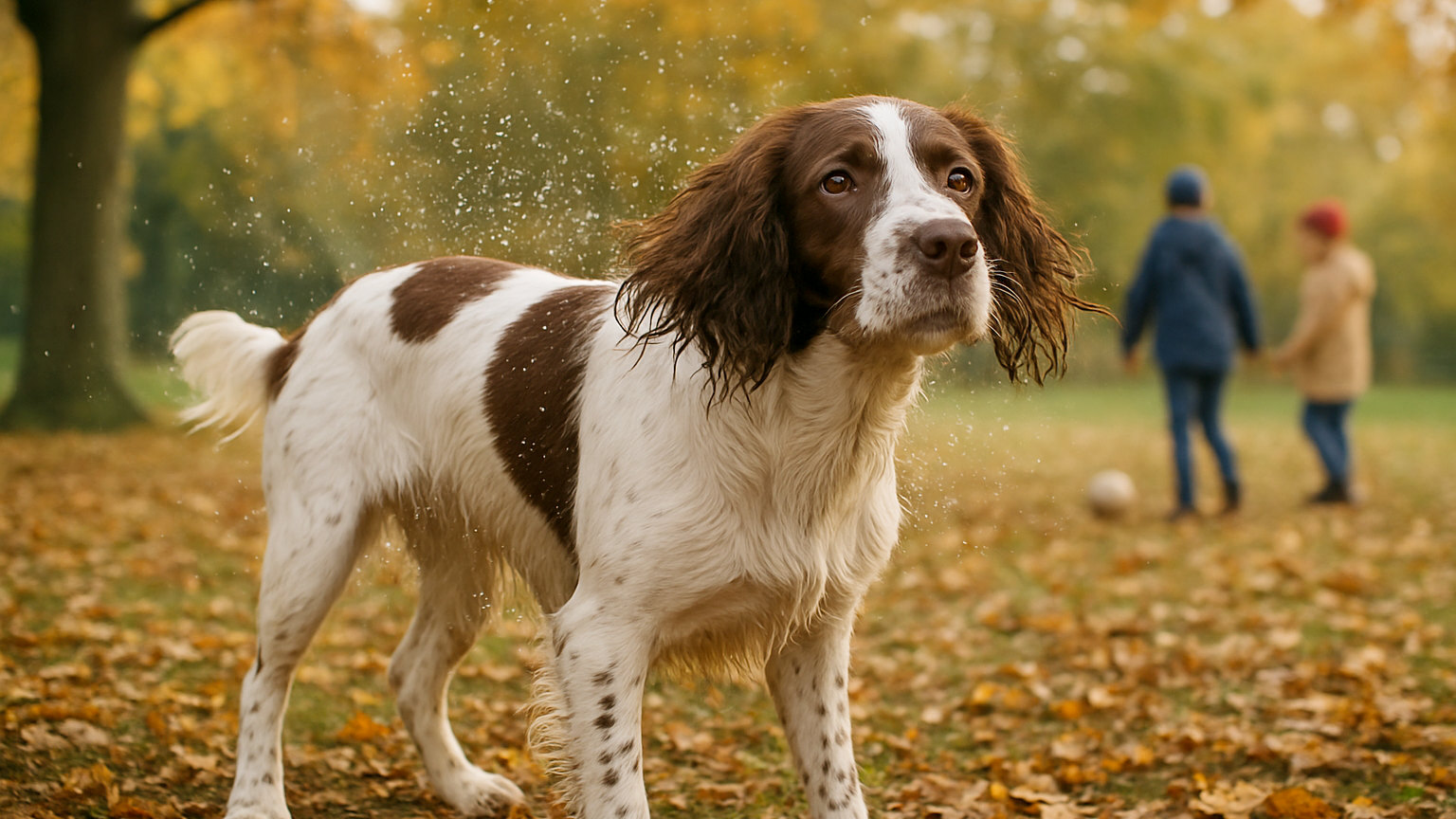
A dog growling at a child is giving the clearest possible warning, and it should be treated as urgent rather than something to keep an eye on.
Why is this so serious?
Because children are the group most likely to be bitten, and most bites to children come from a dog the child knows, usually in the home.
Bites to children are also more likely to involve the face, because children are shorter and tend to approach faces directly.
The growl is the dog doing exactly the right thing. What matters is what happens next.
What should you do immediately?
Separate the dog and the children physically, using stair gates, closed doors or a crate the dog is comfortable in.
This is not a punishment for the dog. It is removing the situation while you get help.
Do not tell the dog off for growling, which suppresses the warning while leaving the discomfort intact and makes a silent bite more likely.
Book a veterinary appointment to rule out pain, then contact a clinical animal behaviourist registered with the Animal Behaviour and Training Council.
Why do dogs growl at children?
Usually fear. Children move suddenly and unpredictably, make high-pitched noises, stare, hug, and approach when a dog is resting.
Pain is a frequent factor, particularly in older dogs. A dog with arthritis that has been leaned on or fallen over has good reason to object.
Resource guarding, where a child approaches food, a chew or a bed. Being disturbed while asleep, which triggers startle responses.
Lack of early exposure to children, which is common in dogs acquired by adult-only households and then encountering visiting children.
What does supervision actually mean?
Not being in the same room while looking at a phone, which is how most incidents happen.
Active supervision means watching the interaction, able to intervene within a second, and prepared to end it. If you cannot do that, separate them.
Nobody can supervise continuously. Physical separation using gates and doors for parts of the day is realistic and sensible rather than a failure.
What should children be taught?
Never approach a dog that is eating, chewing, sleeping or in its bed. Never hug, lie on or climb on a dog, however tolerant it seems.
Never take anything from a dog. Never follow a dog that walks away, since walking away is a dog declining politely.
Let the dog come to them rather than approaching it, and stroke the chest or shoulder rather than the top of the head.
What signals should adults watch for?
Turning the head away, lip licking, yawning, whale eye, freezing, moving away, or a tightly closed mouth.
All of these come before a growl. A dog repeatedly showing them around a child is under pressure and needs the situation changed.
Can this be resolved?
Frequently it improves considerably with proper professional guidance, changed management and, where relevant, treating pain.
What it will not do is resolve on its own, and continuing as before is not a neutral choice. Get help now rather than after an incident.
What about visiting children?
Dogs unused to children frequently struggle with them, and a visit is not the moment to find out. Plan separation in advance rather than hoping it will be fine.
Set the dog up somewhere quiet with a chew before children arrive, rather than removing it once things become difficult.
Visiting children are also less likely to know your rules, so brief the accompanying adults directly rather than relying on the children to remember.
What about the dog's needs?
An undisturbed place to rest is essential rather than optional, somewhere children genuinely never go, whether that is a crate, a room or a space behind a gate.
Adequate exercise, mental stimulation and sleep all raise tolerance. A tired, under-stimulated dog living in a busy household has a much lower threshold.
Fixing the environment frequently does as much as any training.