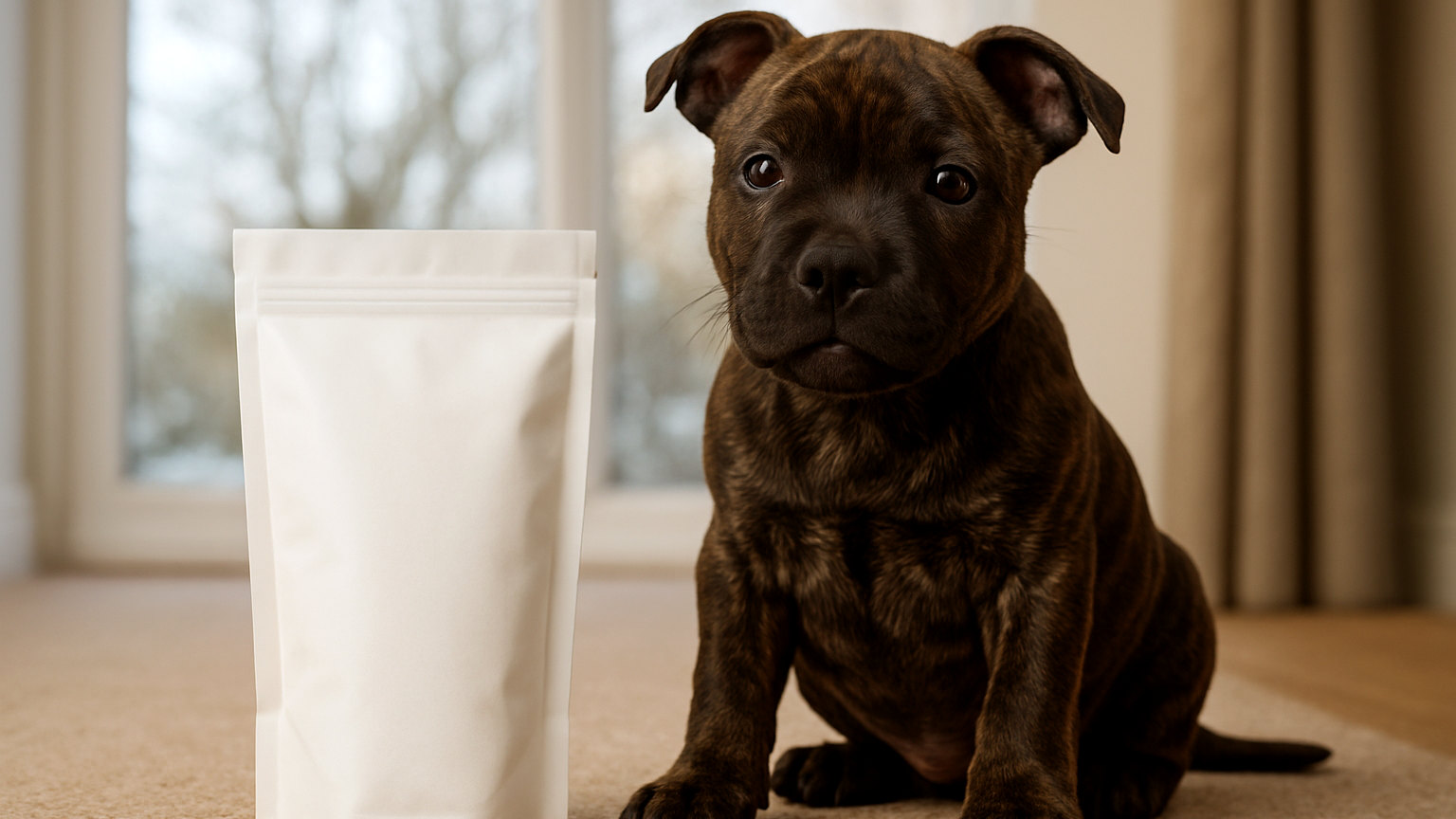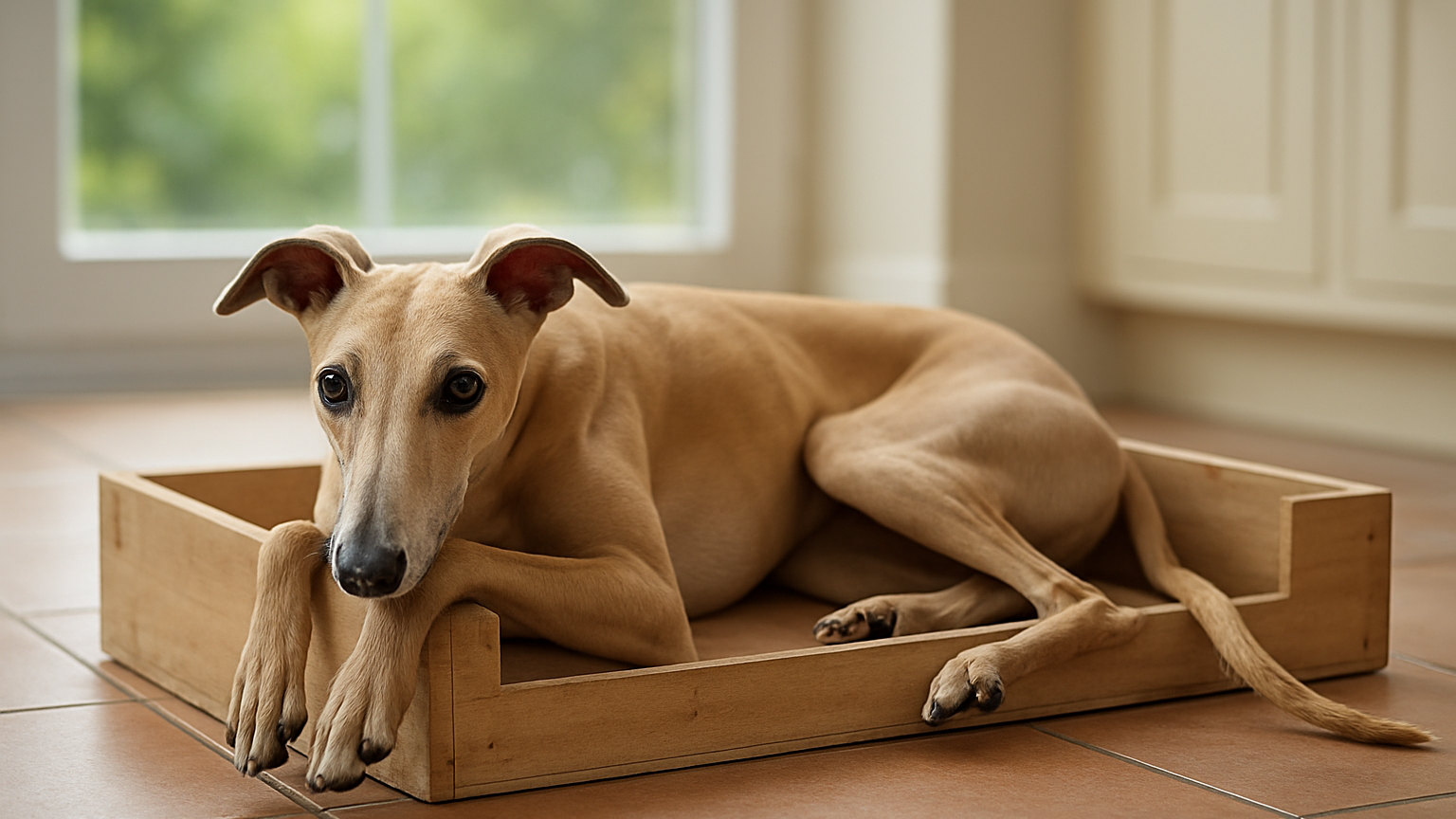
Crate training is straightforward and mostly a matter of patience. Almost every problem comes from moving too fast in the first few days.
How should you set it up?
Choose a crate large enough for the dog to stand, turn and lie stretched out. Use a divider for a puppy so the space is not too large, which makes toilet training harder.
Put it somewhere the household spends time rather than in an isolated room, at least initially. A dog shut away in a utility room learns that the crate means separation.
Make it comfortable with a supportive bed, and cover part of it with a blanket if the dog seems to prefer enclosure. Leave the door open from the start.
What are the first steps?
Do nothing but make the crate a good place. Drop treats inside while the dog is elsewhere so it discovers them, and feed meals just inside the door, then further back over several days.
Never push, lure repeatedly or shut the door at this stage. The dog should be going in freely and coming out again whenever it likes.
Add a comment or cue word as the dog goes in, then reward. Within a few days most dogs are wandering in on their own.
When do you close the door?
Once the dog is going in willingly and settling. Close it for a couple of seconds while the dog eats, then open it before it finishes.
Build up in tiny increments: a few seconds, then ten, then thirty. Stay in the room initially. The measure of progress is the dog staying relaxed rather than the clock.
Then start leaving the room briefly while the door is shut, returning before the dog becomes concerned. Vary the duration rather than always increasing it.
What if the dog cries?
It usually means you progressed too quickly, so go back a stage. Waiting out prolonged distress teaches the dog that the crate is something to escape rather than a safe place.
With a puppy at night, some settling noise in the first few nights is normal. Persistent distress is not, and a puppy crying at two in the morning frequently needs the toilet rather than attention.
Take it out quietly, no fuss, no play, straight back to the crate. Responding to genuine need does not create a bad habit; ignoring it can create a lasting fear of the crate.
How long does it take?
Usually one to three weeks to a dog that settles comfortably for an hour or two. Some puppies take days; some adult rescue dogs take months or never fully accept it.
Progress is rarely linear and setbacks are normal. Adding a stuffed frozen toy or a chew when the door closes gives the dog something to do and builds a positive association.
What mistakes set it back?
Using the crate as punishment, which is the most damaging. Shutting the dog in while it is already distressed. Leaving the dog crated far longer than it can cope with.
Making a fuss on release, which builds anticipation of the door opening. Let the dog out calmly when it is quiet rather than when it is scratching or barking.
What about older or rescue dogs?
The same method, more slowly. A dog with a history of confinement may find crates genuinely frightening, and pushing through is counterproductive.
If a dog panics, drools, scrabbles at the door or injures itself, stop and use a bed in a quiet corner or a puppy pen instead. Those achieve most of the same purpose without the distress.
What about daytime use?
Feed meals in the crate with the door open, and leave a chew in there during the day so the dog wanders in of its own accord. A crate the dog uses voluntarily is a crate that is working.
Avoid only closing the door when you are leaving the house, since the dog learns to associate the door with being alone and starts avoiding the crate entirely.
Close it for short periods while you are present, at random times, so the door closing predicts nothing in particular.