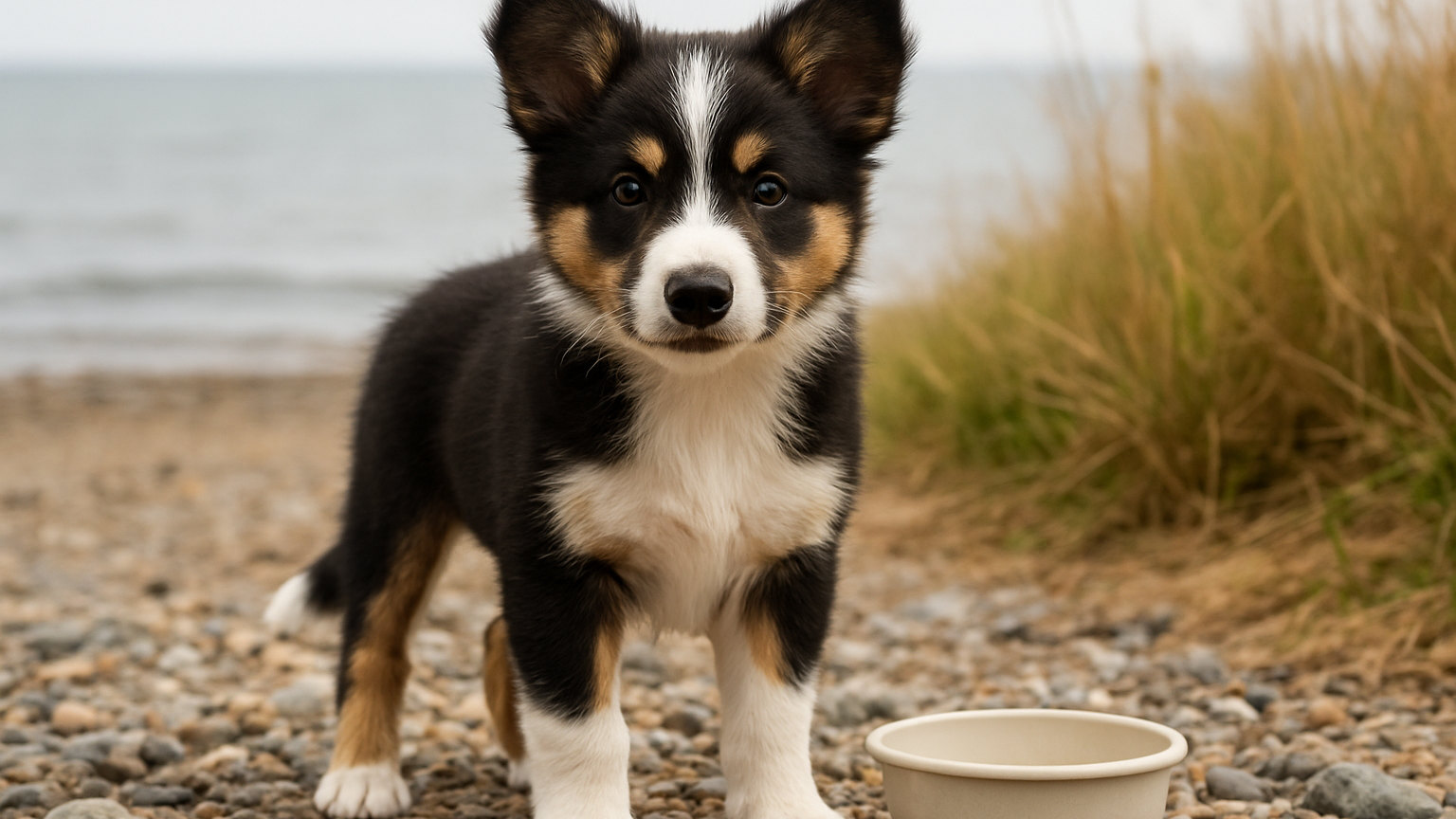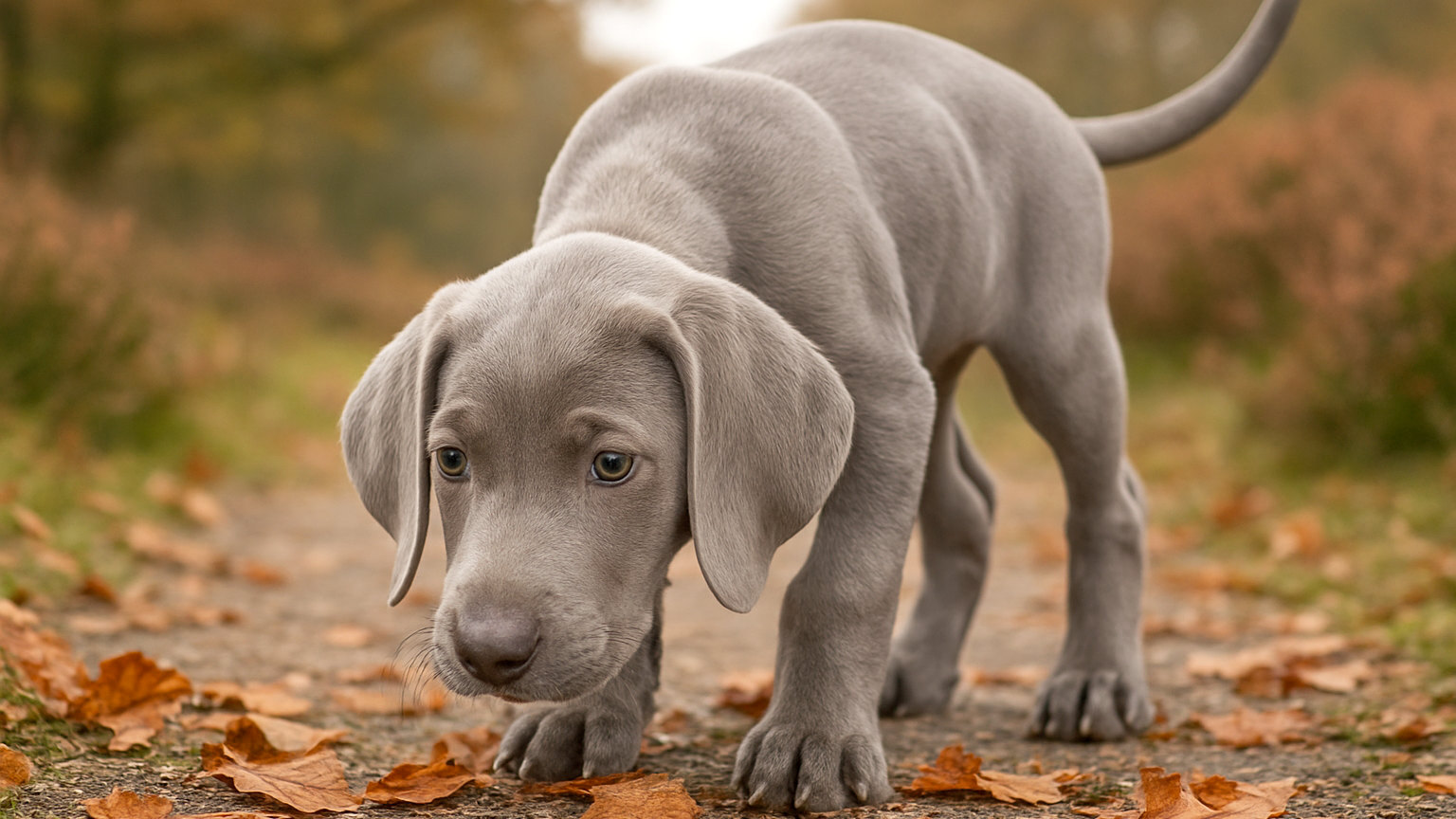
Routine is one of the more effective and least discussed tools in dog care. A dog that knows roughly what happens next spends far less energy anticipating.
Why does routine help?
Because predictability reduces uncertainty, and uncertainty raises baseline arousal. A dog that does not know whether the next event is a walk, a meal or nothing at all stays alert waiting to find out.
Consistent structure also makes training easier, since a settled dog learns better than a restless one. Toilet training in particular depends on it, because dogs need to go at predictable times after eating and sleeping.
The benefit shows most clearly in anxious dogs, where introducing a predictable rhythm often produces noticeable improvement within a fortnight.
What should a day contain?
Sleep, above all, since adult dogs need twelve to fourteen hours and puppies considerably more. This is the element most often squeezed out.
Physical exercise appropriate to the breed. Mental work, which need only be twenty minutes across the day. Meals at consistent times. Toilet opportunities. Social contact with the household. And genuine rest between activities.
What does a workable structure look like?
Morning: toilet, a walk, then breakfast, then a rest period. Feeding after the walk rather than before suits most dogs and matters for deep-chested breeds at risk of bloat.
Middle of the day: a toilet break, a short training session or enrichment activity, and sleep. Most dogs sleep through the middle of the day if left to.
Afternoon or early evening: the second walk, then the evening meal, then a settled evening with a chew.
Before bed: a final toilet trip and a calm wind-down with no vigorous play in the last hour.
How important is timing precision?
Less than consistency of order. Dogs track sequence more than the clock, so keeping the pattern the same matters more than hitting exact times.
This is useful, because it means the routine survives an occasional late start without unsettling the dog.
Can a routine be too rigid?
Yes, and it is a genuine risk. A dog fed at exactly seven every day becomes distressed when it is seven fifteen, and a dog walked at the same minute anticipates and becomes frantic in advance.
Deliberately vary the timing by twenty or thirty minutes so the dog learns that things happen but not to the minute. Vary walk routes and times too.
Build in occasional days that look different, so a change in the household does not throw the dog completely.
What about a working household?
The pattern matters more than being present continuously. A consistent morning walk, a midday visit from a walker or family member, and a settled evening is a workable structure.
Most guidance suggests four hours as a maximum for an adult dog alone at a time. Arrange cover before the dog arrives rather than afterwards.
How do you handle disruption?
Keep the core elements steady when everything else changes. During a house move, illness, building work or a new baby, holding walks, meals and sleeping arrangements constant does a great deal to keep a dog settled.
Reintroduce normality gradually rather than all at once, and expect a few days of adjustment after any significant change.
How does routine change with age?
Puppies need far more sleep and far more frequent toilet breaks, so the structure is broken into shorter blocks. Adolescents need more mental work as their capacity increases.
Older dogs generally do better with shorter, more frequent walks rather than one long outing, and benefit from more predictability rather than less.
Reassess the routine every year or so rather than assuming what suited a two-year-old still fits at ten. Most owners adjust far later than the dog needed them to.
The aim is a predictable shape to the day rather than a timetable. Get the sequence consistent, protect the sleep, and allow enough variation that the dog copes when life does not go to plan.