Recall failing is the most common training complaint there is. Almost always there is a specific reason, and each one has a different fix.
Has the cue been poisoned?
The most frequent cause. A poisoned cue is one that has come to predict something unpleasant.
If the recall word is used to end walks, to put the lead on, to have something taken away, or is said in an irritated tone, the dog has learned that returning is a bad deal.
Owners who shout the name repeatedly with rising annoyance are teaching this efficiently.
The fix is usually to change the word entirely and build the new one properly, since rehabilitating a poisoned cue takes longer than starting again.
Is the reward worth it?
A piece of kibble does not compete with another dog, a rabbit or an interesting smell. If you are paying below market rate, the dog will keep shopping elsewhere.
Reserve genuinely high-value food for recall and nothing else. Reward every single return, not occasionally.
Reward on arrival, generously and for several seconds, rather than a single treat and an immediate lead clip.
Is the distraction too high?
Frequently. Owners work at home, then take the dog to a busy park and expect the same response.
Dogs do not generalise well. A recall learned in the kitchen is a kitchen recall until proofed elsewhere.
If the dog cannot respond, you are working above its level. Go back to a quieter place, or increase distance from whatever is distracting it, and rebuild.
Could it be adolescence?
Almost certainly if the dog is between six and eighteen months and recall has deteriorated after being reliable.
Recall is usually the first thing to go during adolescence. This is normal, temporary and not defiance.
Go back to a long line rather than letting the dog rehearse ignoring you, raise the reward value, and stay consistent. It returns.
Is it breed-related?
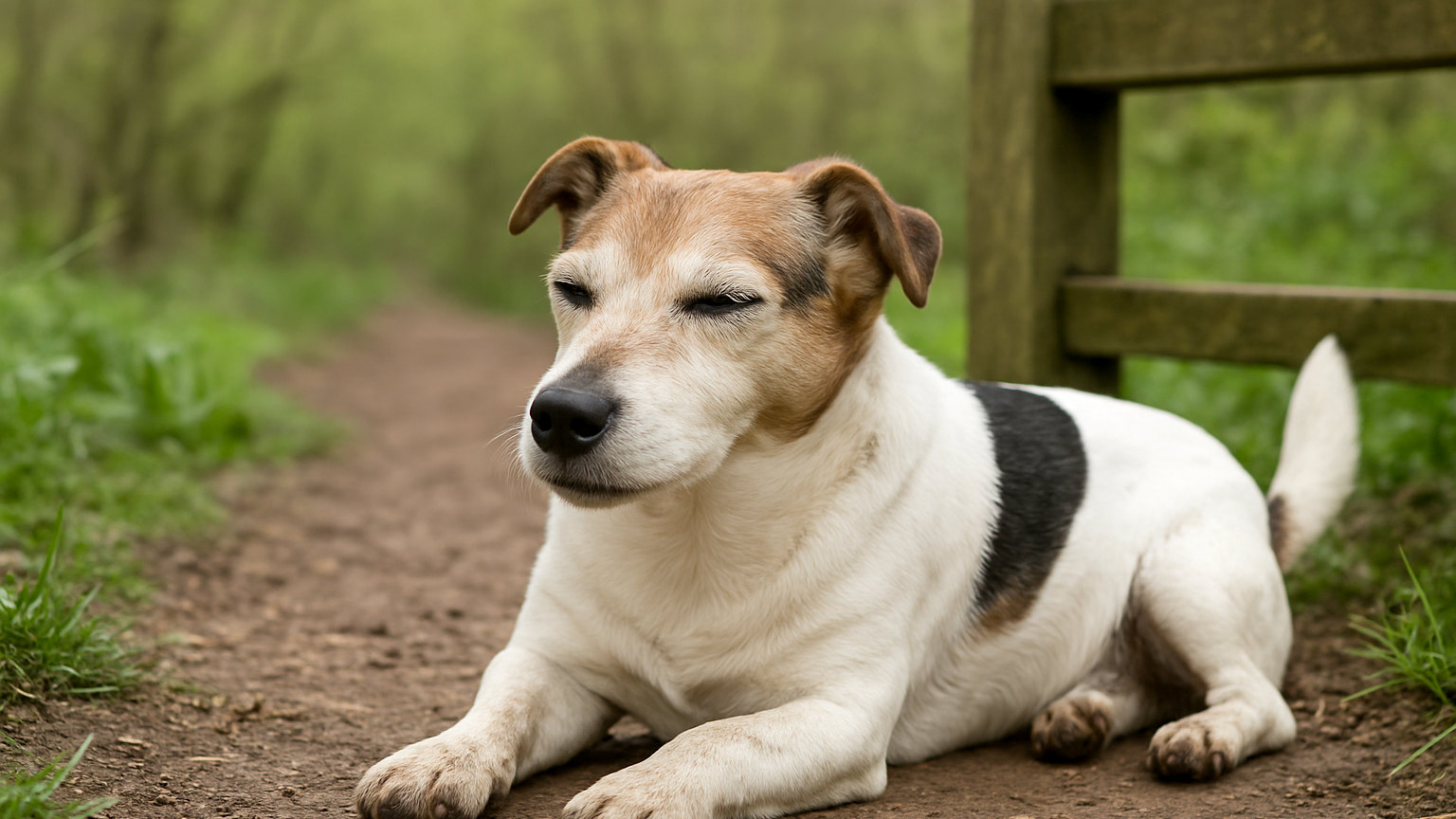
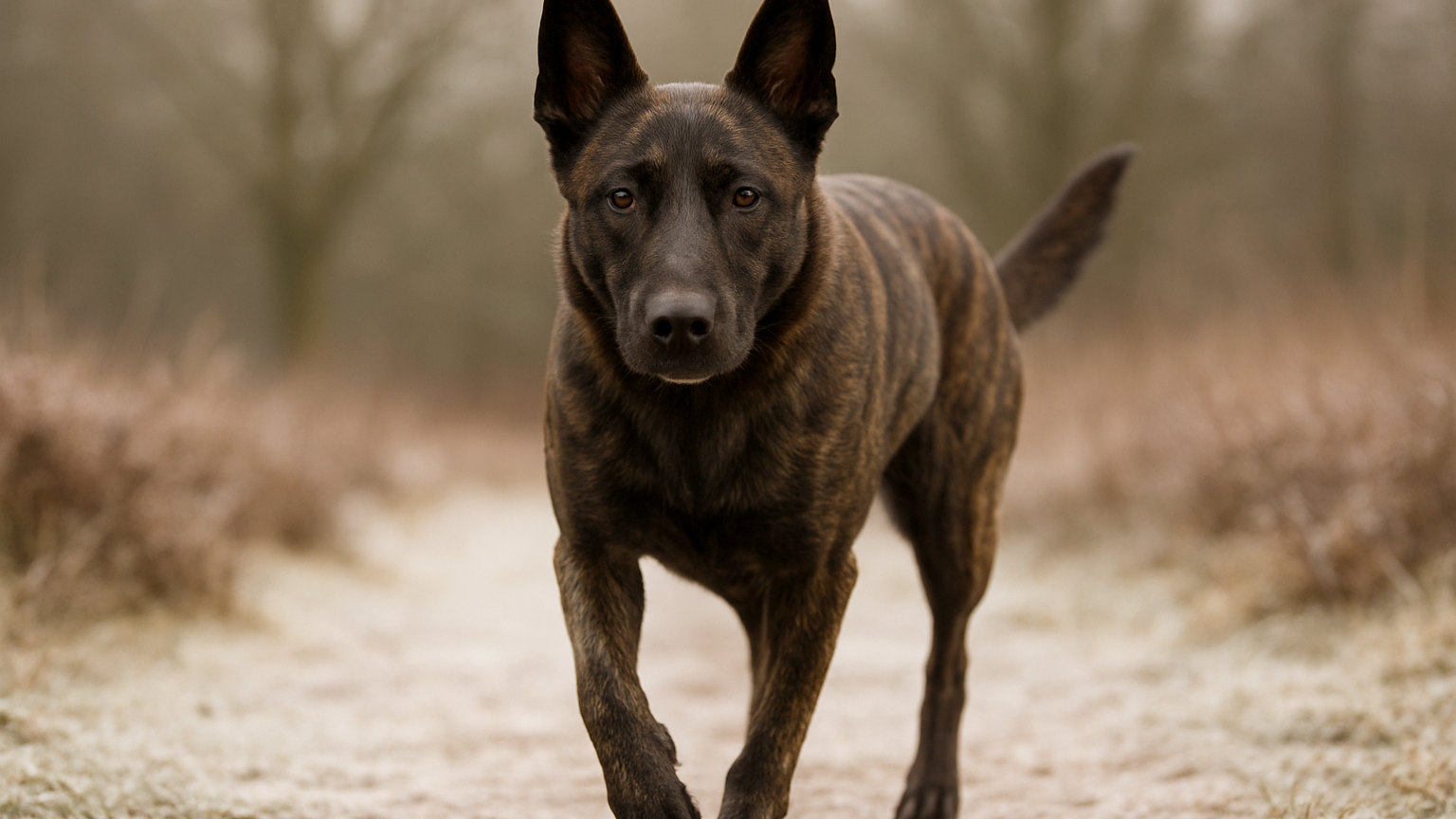
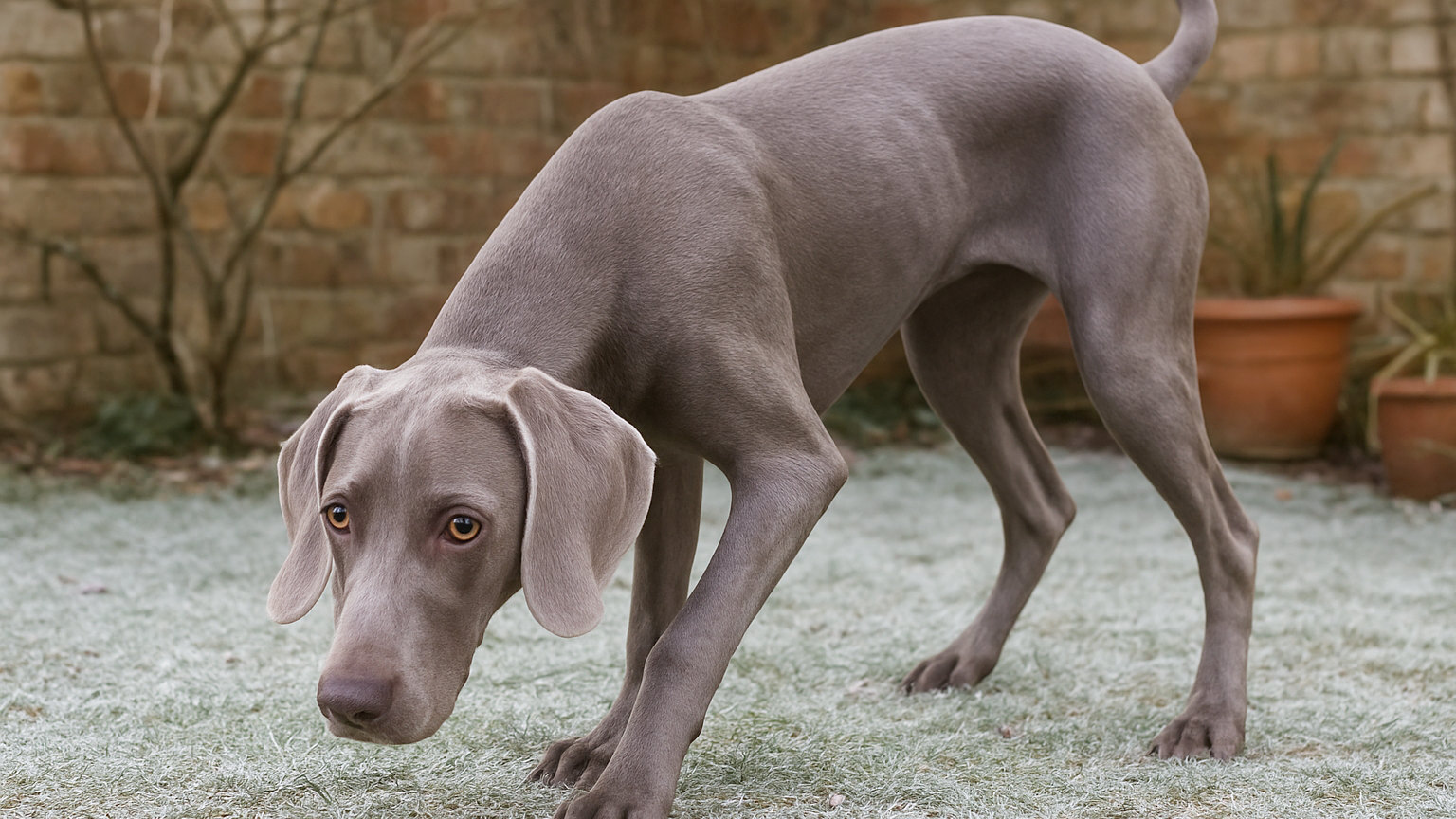
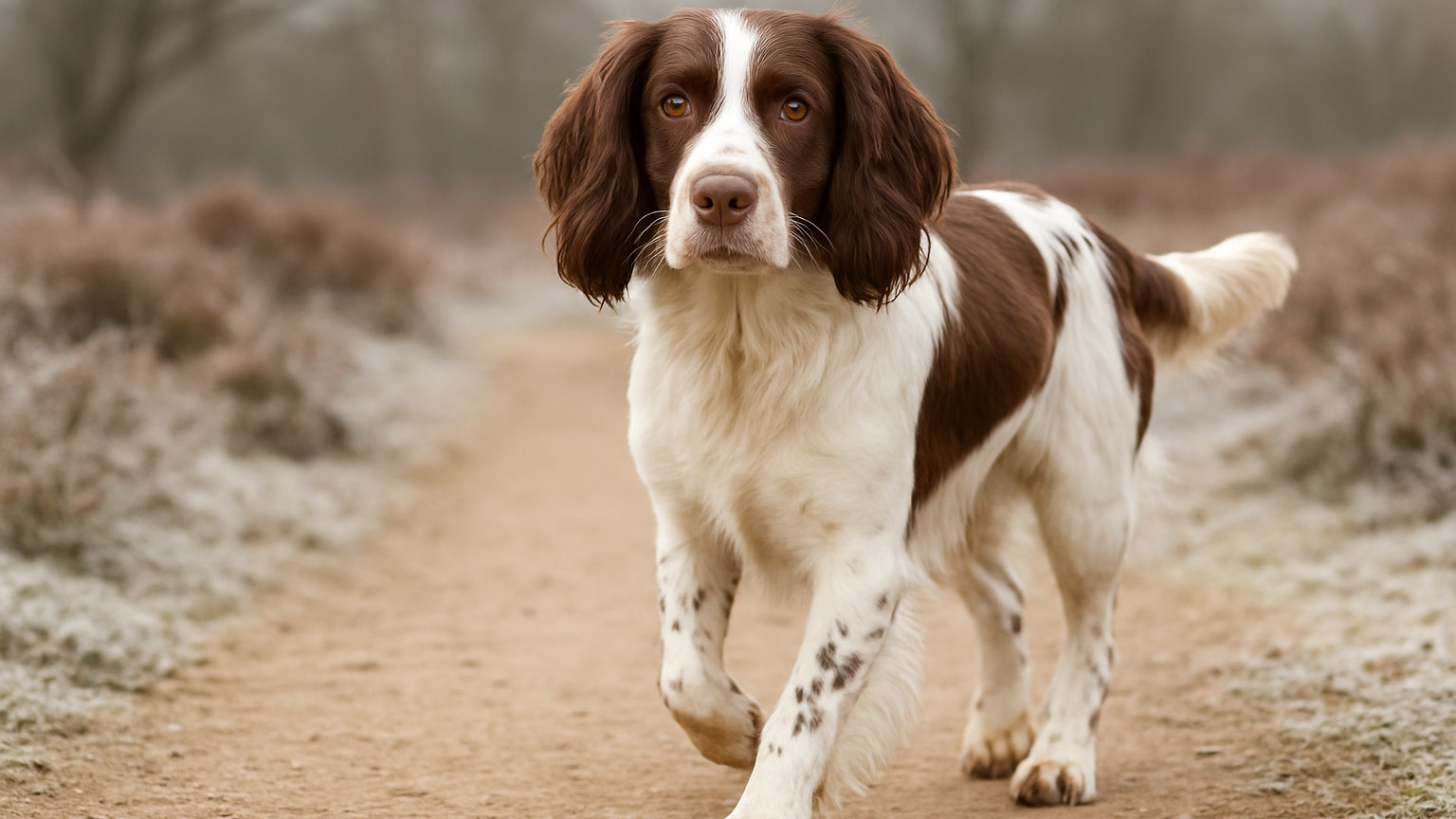
Partly. Scent hounds such as Beagles and Bassets were bred to follow a trail independently and ignore a handler calling.
Sighthounds in pursuit are moving faster than any recall can reach. Terriers with strong prey drive become effectively deaf when hunting.
For these dogs, a long line in open spaces and secure fields for off-lead running is a legitimate permanent arrangement rather than a training failure.
Has the dog rehearsed ignoring you?
Every time a dog is called and does not return with no consequence, the behaviour of ignoring gets stronger.
This is why a long line matters during rebuilding. It prevents rehearsal while you make the cue worth responding to again.
How do you rebuild it?
Choose a new word. Charge it at home with exceptional food for a week. Move to the garden, then a quiet space on a long line.
Do not use the new word in a situation where the dog might ignore it until you are confident. Every successful repetition strengthens it; every failure weakens it.
Is the dog physically able to hear you?
Worth ruling out before assuming a training problem, particularly in older dogs where hearing loss is gradual and easily mistaken for selective deafness.
Test by making a noise out of sight and downwind and watching for a reaction. Congenital deafness also affects some breeds, especially those with white coats or merle patterns.
If hearing is going, switch to a whistle while some hearing remains, then to hand signals or a vibrating collar.
What about pain?
An arthritic dog may be slow to return simply because moving is uncomfortable, and being told off for it makes matters considerably worse.
What is the fastest fix?
A new cue, exceptional food, a long line, and a fortnight of never letting the dog ignore you. That combination resolves most cases.
Resist the temptation to test the new cue in a difficult situation before it is ready. One failure at the park undoes a week of careful work at home.