This is the single biggest gap between training as owners imagine it and training as dogs experience it. Understanding it changes how you approach everything.
Why does the dog not generalise?
Because dogs learn behaviours bundled with their entire context: the room, your position, the smells, what you are wearing, the time of day.
A sit learned in the kitchen is genuinely a different thing to the dog from a sit in a park. This is not stubbornness; it is how canine learning works.
The practical consequence is that every behaviour needs teaching again in each new environment, though it gets faster each time.
What is a distraction ladder?
A deliberate sequence of increasingly difficult environments, worked through in order.
A typical ladder runs: quiet room at home, different room, hallway, garden, garden with someone else present, front garden, quiet street, busier street, quiet park, park at a distance from other dogs, park closer to other dogs.
Move up only when the dog is responding immediately at the current level. Skipping rungs is the most common mistake.
What does working under threshold mean?
Keeping the dog at a level of difficulty where it can still think and respond.
A dog over threshold is too aroused, frightened or excited to process anything. Signs include refusing food it normally loves, fixating on something and not hearing you, or frantic behaviour.
If your dog will not take a treat outdoors that it would eat instantly at home, that is the clearest possible signal you are working too close to the distraction.
Increase distance until it can eat again, and work there.
How much should you reward?
Considerably more than at home. The competition is stronger, so the pay must be higher.
Reserve your best food exclusively for outdoor work. Reward every repetition when you first move to a new environment rather than assuming the behaviour transfers.
Rate matters too. Frequent small rewards keep a dog engaged better than occasional large ones.
What about the environment itself as a reward?
Underused and powerful. Permission to sniff, to greet a friendly dog, to run, or to carry on walking are all things the dog wants.
Ask for a sit before releasing the dog to sniff, and the sit gets reinforced by something the dog values more than food, at no cost.
This is particularly effective for dogs that are too distracted outdoors to care about treats.
How long does proofing take?
Weeks per behaviour, spread over months. It is the unglamorous part of training and the part that determines whether a dog is actually reliable.
Practise little and often on ordinary walks rather than setting aside dedicated sessions.
What if progress stalls?
Drop back two rungs rather than one, and rebuild. Also check the basics: is the dog tired, is the reward good enough, is the cue clear.
Adolescence between six and eighteen months causes genuine regression, and the answer is going back down the ladder rather than pushing harder.
Does breed affect this?
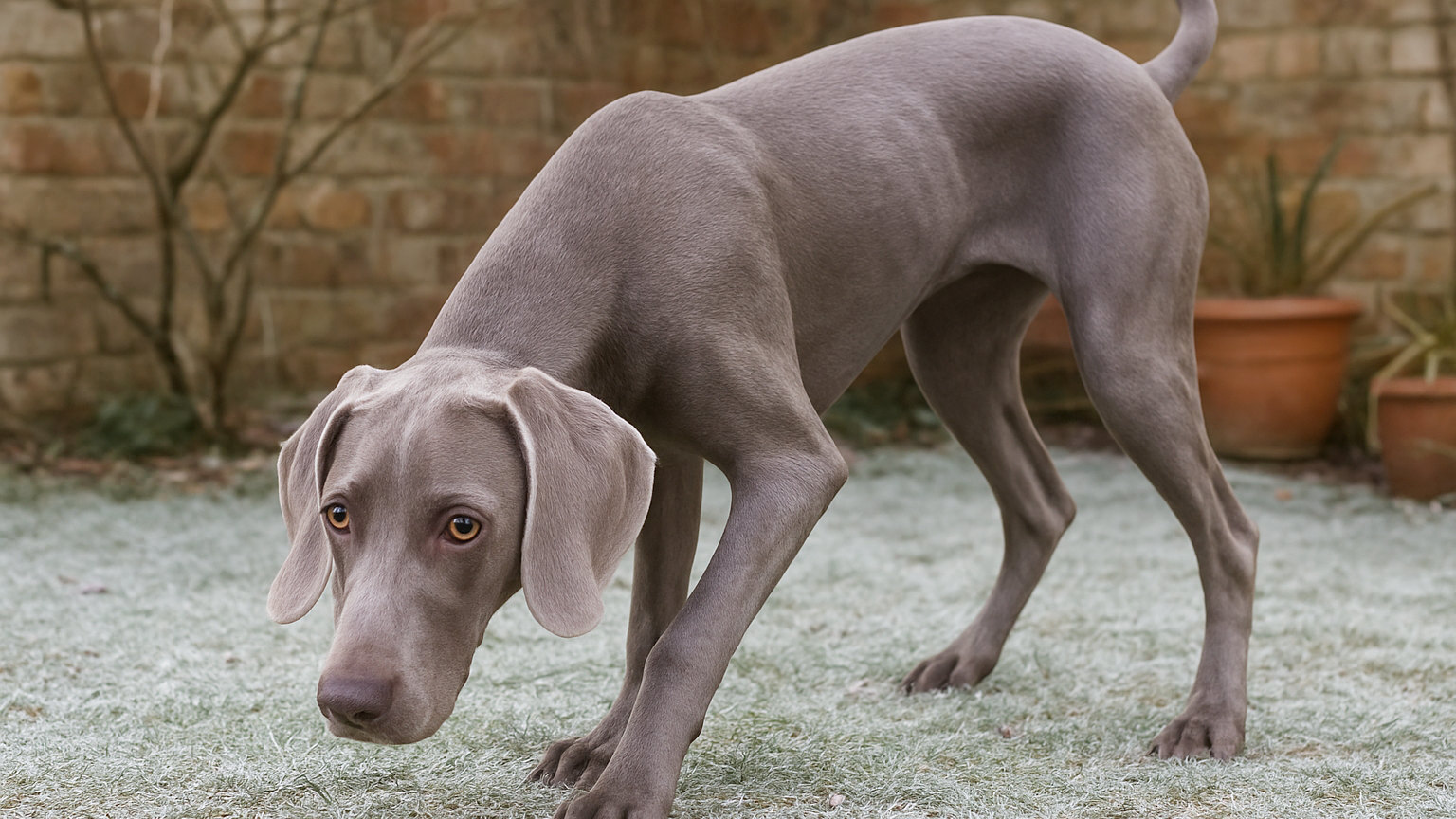
Considerably. Scent hounds are following a trail rather than ignoring you, and sighthounds are visually triggered by movement at distances where you are irrelevant.
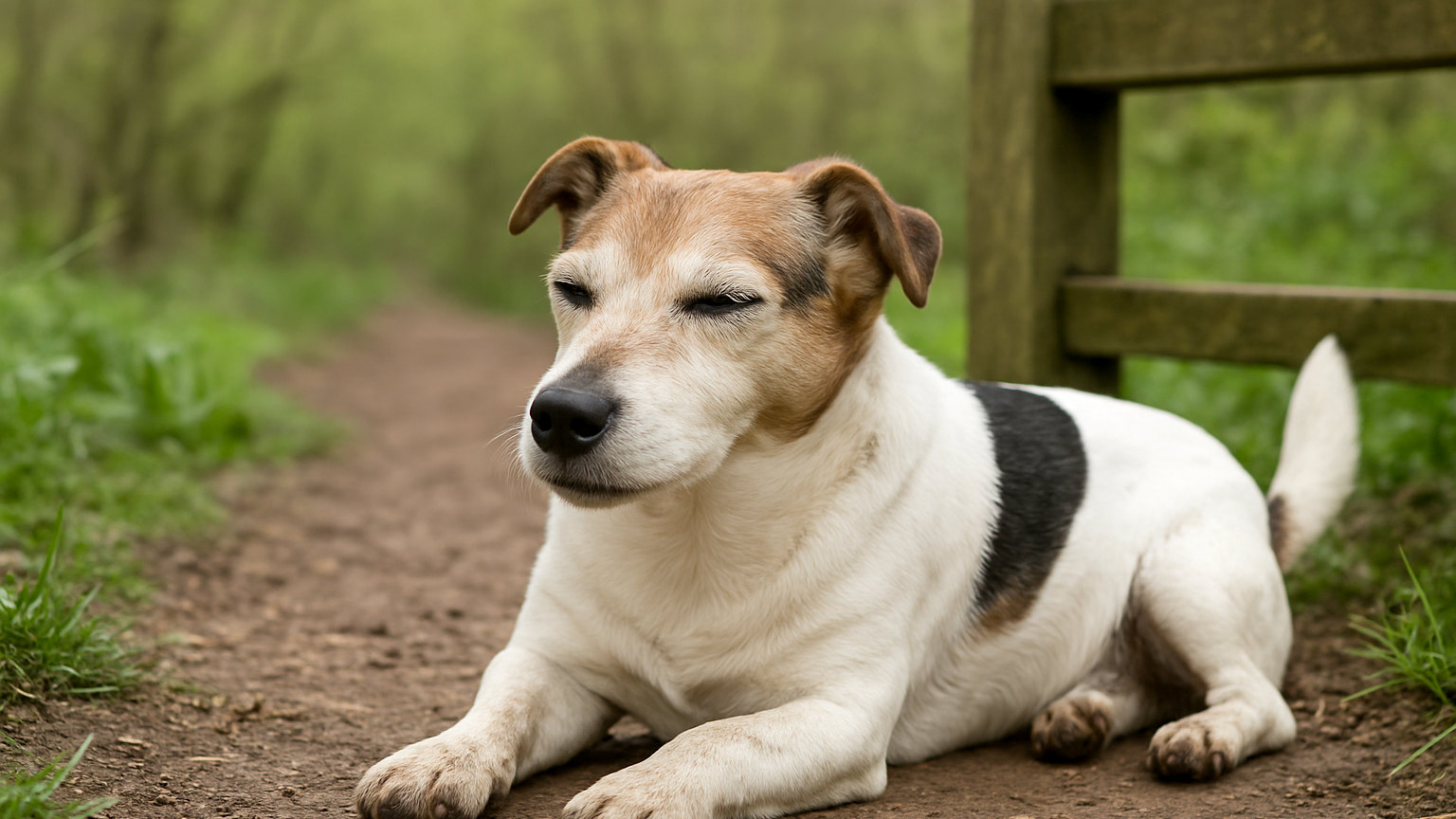
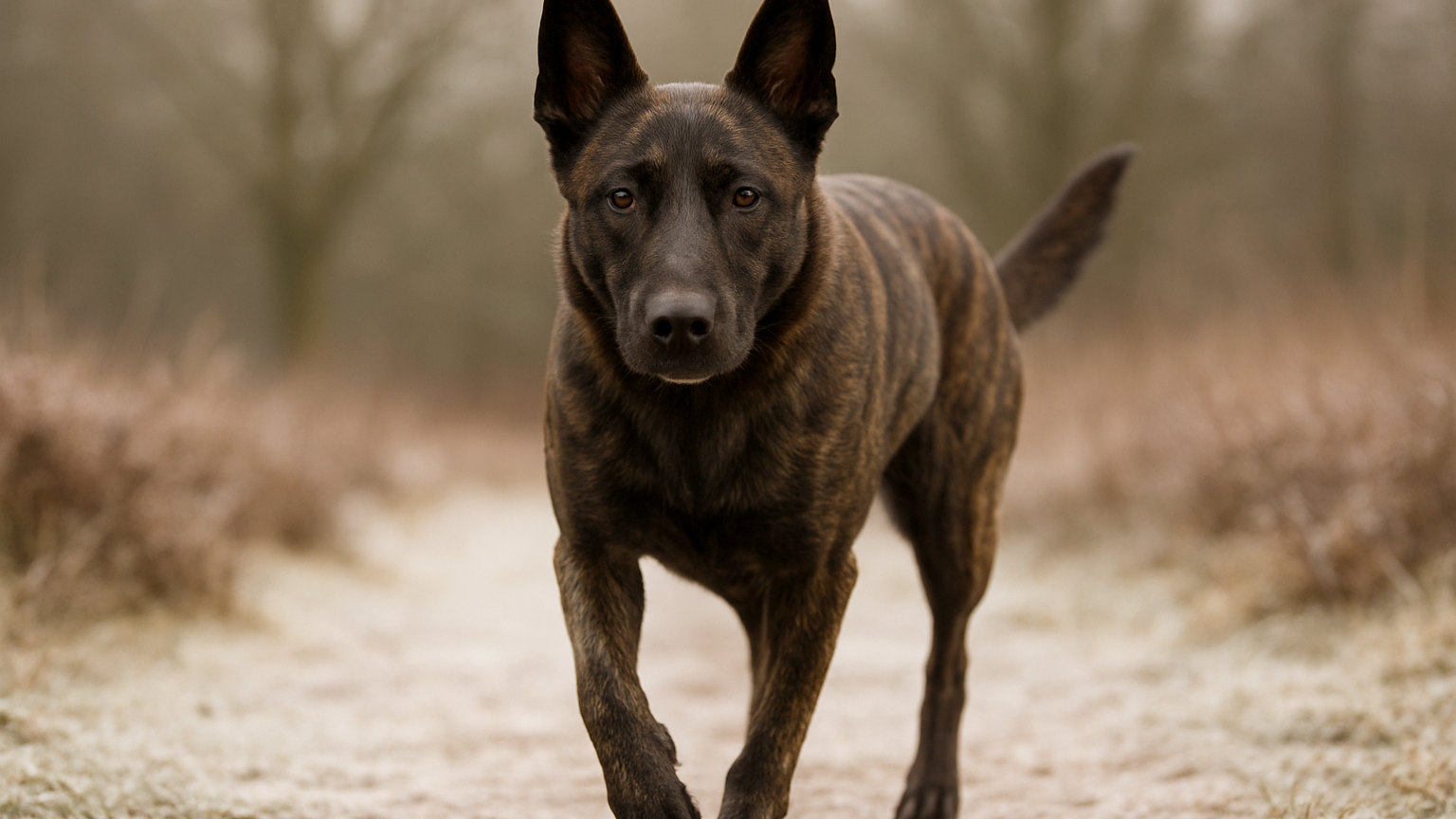
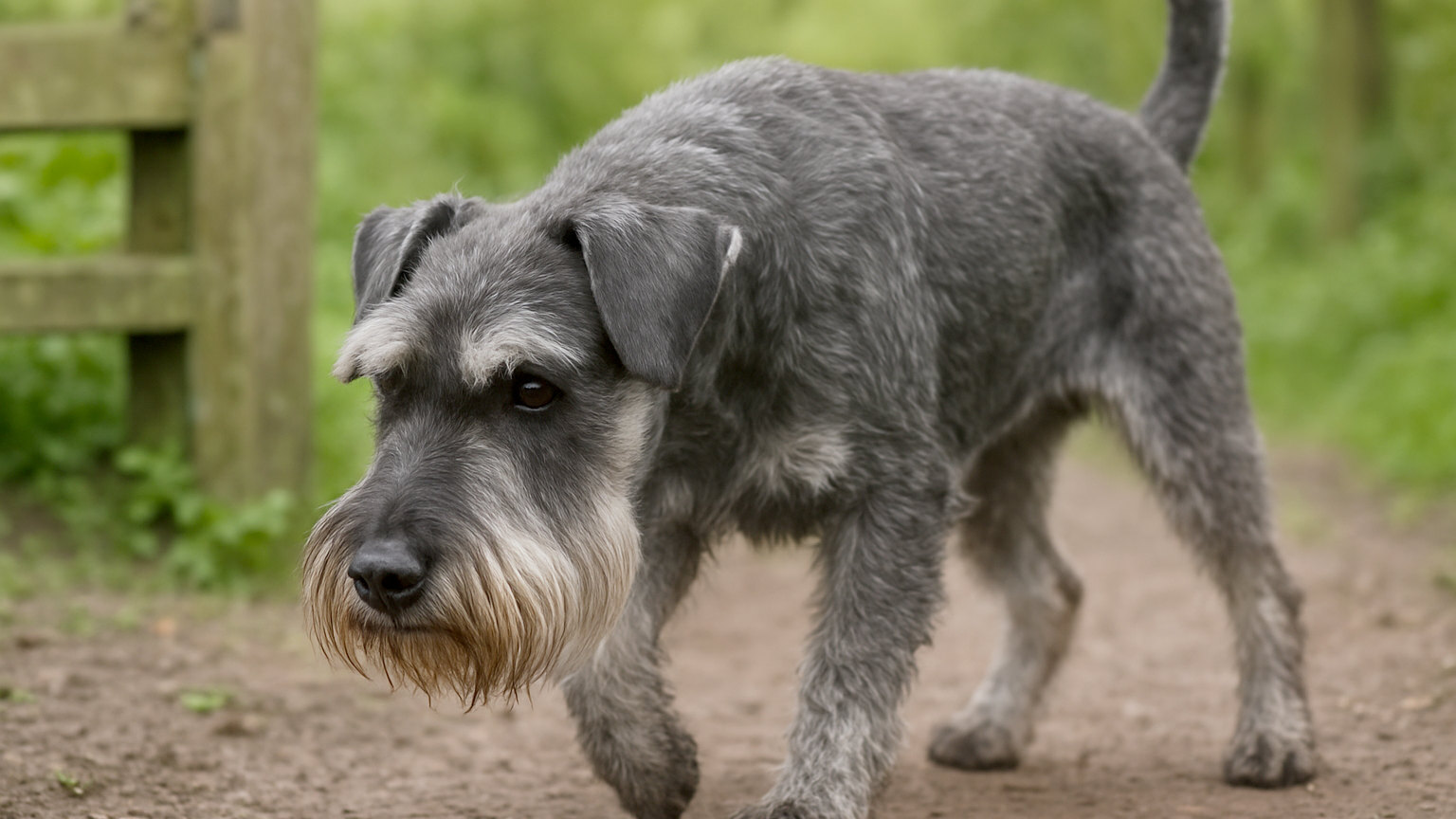
Terriers and other high prey drive breeds go over threshold quickly around small animals. Herding breeds react to movement, including cyclists and joggers.
Knowing your breed's default helps you predict which distractions will be hardest and plan the ladder accordingly.
What is the practical summary?
Assume nothing transfers. Rebuild each cue in each new place, keep the dog under threshold, and pay considerably more outdoors than you do at home.
Owners who accept this and work through it deliberately end up with dogs that respond anywhere. Those who expect the kitchen sit to work at the park conclude their dog is stubborn. Work it into ordinary walks rather than treating it as a separate project, and it happens almost by itself.
Proofing is where training either becomes real or quietly stalls, and it is the stage most owners skip. Working through it properly is what separates a dog that knows cues from a dog that responds to them.