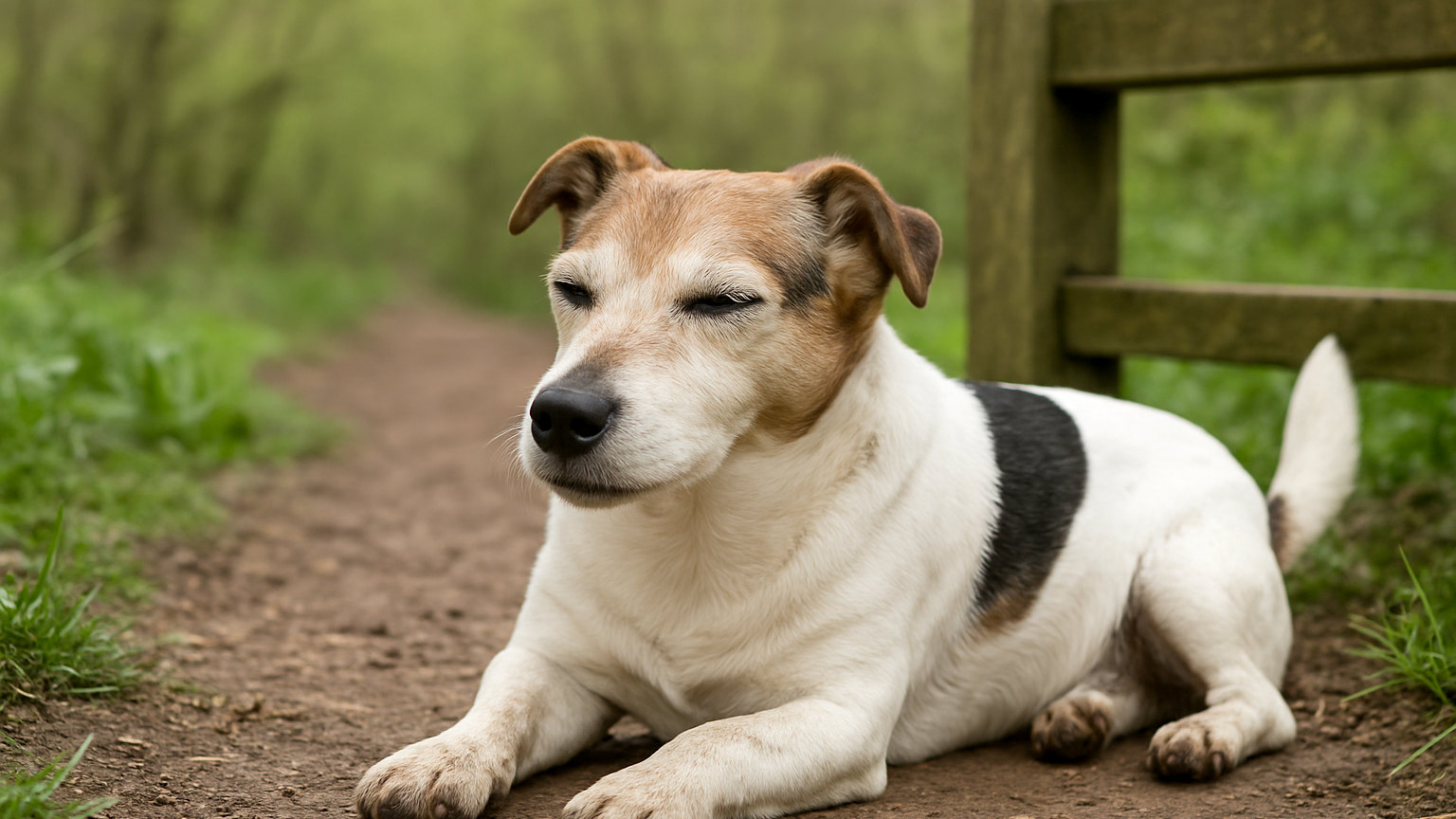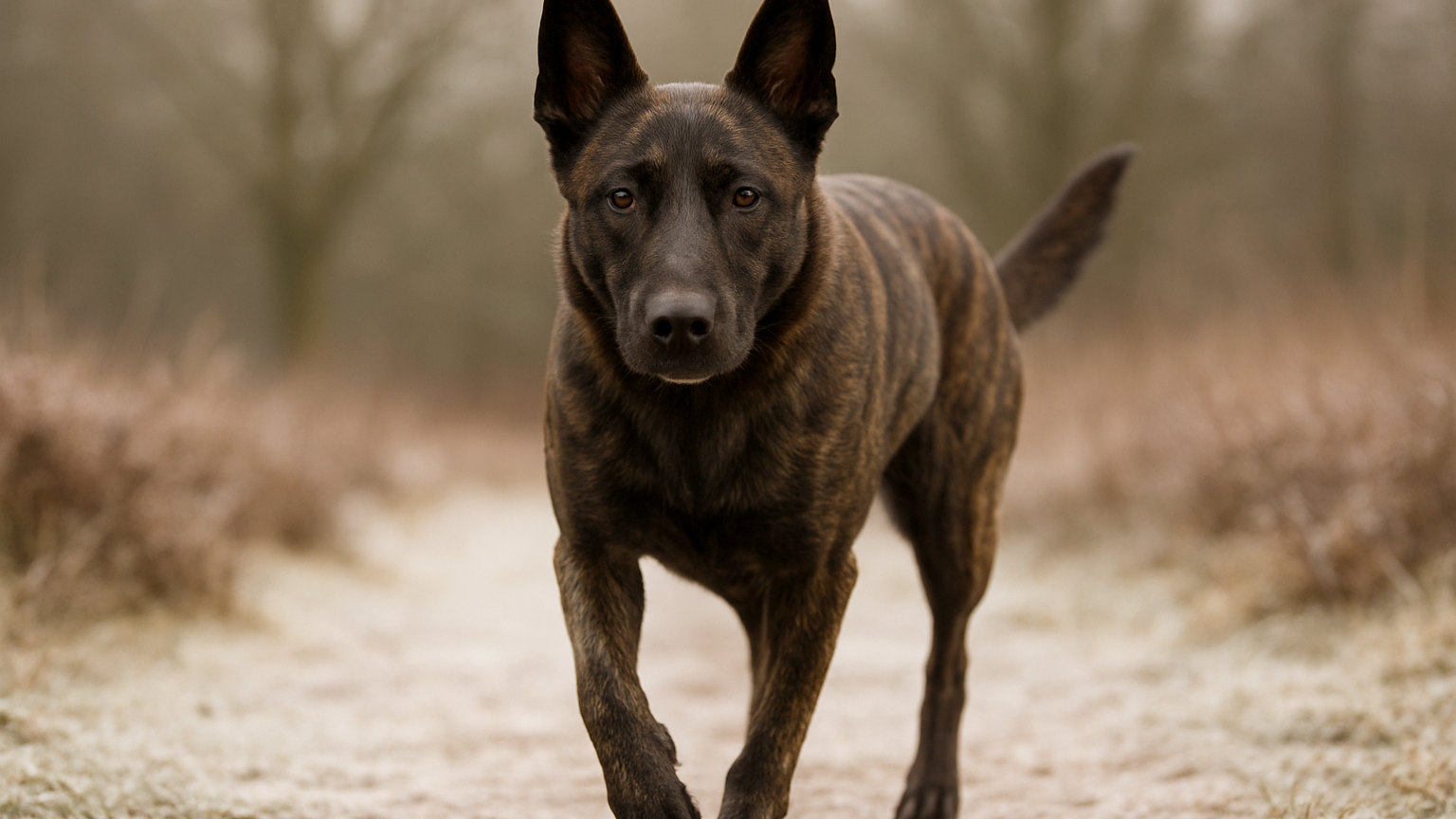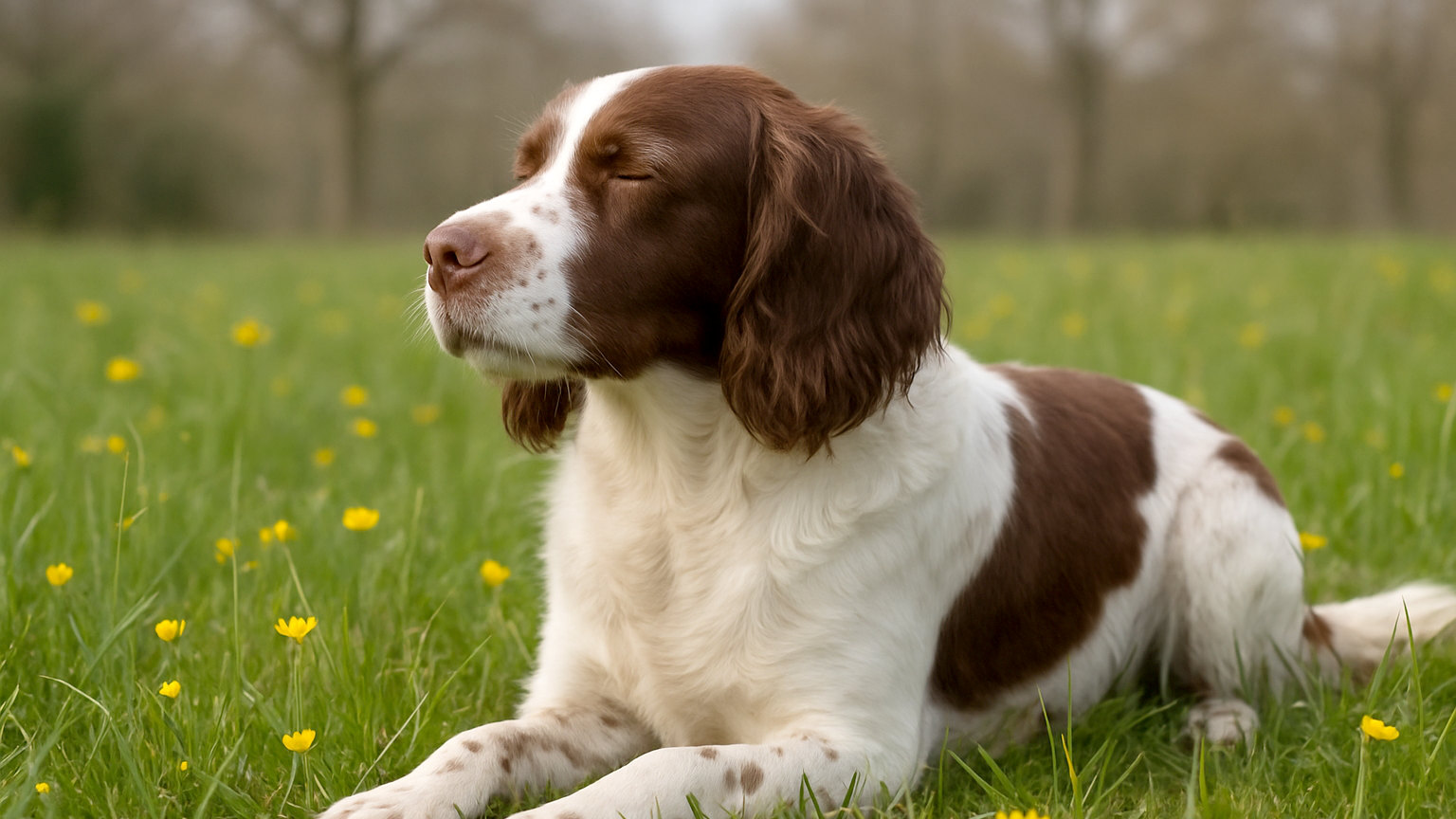
The idea that you cannot teach an old dog new tricks is simply wrong. Adult dogs frequently learn faster than puppies, having longer attention spans and better impulse control.
What should the first weeks look like?
Quiet. A rough pattern many rescues describe is three days to decompress, three weeks to start showing real personality, and three months to feel settled.
During the first fortnight, focus on routine, rest and building trust rather than formal training. Establish where the dog sleeps, when it eats and where it toilets.
Limit visitors, avoid busy places, and let the dog observe rather than participate. A dog that is still overwhelmed cannot learn.
What should you assume it knows?
Nothing, which is the safest starting point and usually kind. A dog may have known cues in different words, or with different hand signals, or may never have been taught anything.
Start from the beginning with everything, including house training and lead walking. You will frequently find the dog already knows something, which is a pleasant surprise rather than an expectation.
Do not assume it has been in a house, walked on a lead, travelled in a car or been left alone before.
How do you build trust?
By being predictable. Consistent routine, calm handling and giving the dog choices where possible.
Let it approach you rather than reaching for it. Avoid leaning over it, restraining it unnecessarily or forcing interactions.
Hand feeding some of its daily ration is a simple and effective way to build a positive association, particularly with a nervous dog.
What about unknown history?
Some dogs arrive with specific fears: men, hats, brooms, cars, being handled around the head. You will discover these gradually.
When you find one, do not force the dog through it. Increase distance, keep experiences positive, and build slowly.
Punishment-based training in a previous home is common and shows up as a dog that shuts down, cowers or freezes when corrected. Reward-based methods work particularly well with these dogs, though progress can be slow initially.
What should you teach first?
A name or a new one if the old one produces a poor response. Recall, built from scratch on a long line.
Settling, and coping with short periods alone, which is frequently the biggest gap in rescue dogs. Handling for grooming and veterinary care.
Formal cues can wait. Life skills matter more.
Is anything different from training a puppy?
Adult dogs have existing learned behaviours, some of which need replacing rather than simply teaching. That takes longer than teaching something new.
They also have longer concentration spans, so sessions can be five to ten minutes rather than two.
The socialisation window has closed, so a dog that missed early exposure will need careful, gradual work rather than the rapid learning a puppy manages.
When should you get help?
Early rather than late if there is fear, reactivity or guarding. A behaviourist registered with the Animal Behaviour and Training Council can assess what you are actually dealing with.
Many rescue organisations offer post-adoption support and will advise, so ask before assuming you are on your own with it.
What about dogs from abroad?
Increasingly common, and worth extra patience. A dog that lived as a street dog may never have been in a house, walked on a lead or been confined.
Expect basic things to be genuinely novel: doors, stairs, flooring, traffic and being touched. Build these slowly rather than assuming they are simple.
Ask your vet about testing for diseases uncommon in the UK, since imported dogs sometimes arrive carrying infections a British practice would not otherwise consider.
Go slowly and expect the dog you meet at three months to be different from the one you brought home. Most rescue dogs are considerably easier than owners fear once they have settled. Ask the rescue what they know, and treat anything they tell you as a starting point rather than the full picture.
Take the long view. A rescue dog that seems difficult at three weeks is frequently a straightforward companion at six months, and the work done early is what gets you there.