Recall is the most important thing you will teach and the one owners most often assume will develop on its own. It will not, and the dogs that have it were taught it deliberately.
Why is it so hard?
Because you are asking the dog to leave something it wants for something you are offering. Everything else in the environment is competing with you.
A dog mid-sniff, watching another dog, or following a scent is being asked to abandon that. If the reward for returning is a pat and being put back on the lead, it is a poor trade.
Where do you start?
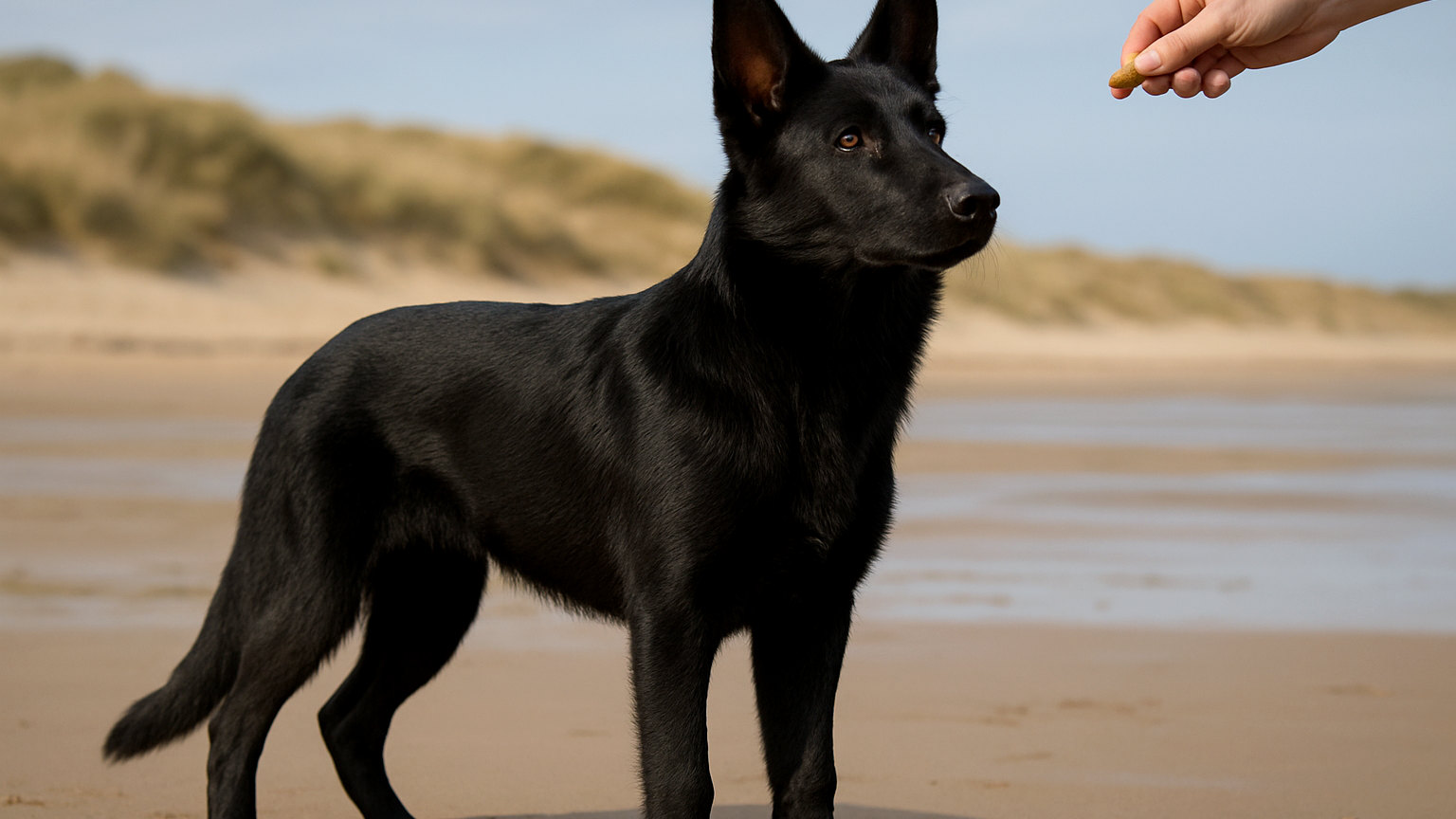
Indoors, with no distractions. Say the recall word once in a bright tone, and the instant the dog moves towards you, mark it with a word such as yes and reward heavily when it arrives.
Heavily means several treats in a row rather than one, delivered with genuine enthusiasm. The dog should think returning was the best decision it made all day.
Practise ten repetitions, then stop. Do this several times a day for a week before going anywhere more difficult.
How do you build it up?
In stages, changing one thing at a time. Indoors, then the garden, then the garden with mild distraction, then a quiet outdoor space on a long line.
Then somewhere with more going on, still on the line. Only move off the line when the dog is responding immediately in that specific environment.
Each new place is effectively a new lesson. Expect to reward generously again each time rather than assuming the cue transfers.
What reward should you use?
Something exceptional, reserved for this. Chicken, cheese, sausage or liver rather than ordinary kibble.
Reward value has to match difficulty. If the dog is choosing between you and another dog, dry biscuit will not compete.
For toy-motivated dogs, a game of tug on return works just as well and is often more powerful.
What ruins recall?
Calling the dog only to end the walk. If the recall word predicts the lead going on and going home, the dog learns to avoid it.
Recall the dog several times during a walk, reward, and release it again. The word should predict something good followed by more freedom.
Calling repeatedly when the dog is not responding, which teaches that the word can be ignored. Say it once, then go and get the dog if needed.
Punishing a dog that comes back late, which teaches that returning produces trouble. However frustrated you are, reward the return.
What if the dog does not come?
Do not chase, which turns it into a game the dog wins. Move away in the opposite direction, crouch down, or make an excited noise.
Most dogs follow a person who is leaving. Running towards a dog pushes it further away.
How long does it take?
Months rather than weeks to reach genuine reliability, and it needs maintaining for life. Continue rewarding recall occasionally forever rather than assuming it is finished.
What should recall look like in practice?
Say the word once, brightly. Move backwards a few steps as the dog turns, which draws it in rather than having it stop short of you.
Reward as it arrives, holding the collar or harness briefly while you do so. This matters because a dog that learns hands mean the fun ends starts hovering just out of reach.
Practise touching the collar and releasing the dog again without the lead going on, so being held is unremarkable.
How often should you practise?
Several short recalls on every walk rather than one at the end. Call, reward, release. Ten of those a walk builds a habit far faster than dedicated sessions.
Above all, treat recall as the cue you never stop paying for. Dogs whose owners keep rewarding it at ten years old are the ones that still come back at ten years old. Keep a small pot of something exceptional by the door so you never set off without it.
One final point worth stating plainly: if your dog does not have reliable recall yet, that is a reason to use a long line rather than a reason to hope. Freedom is earned through training rather than granted and hoped for.