
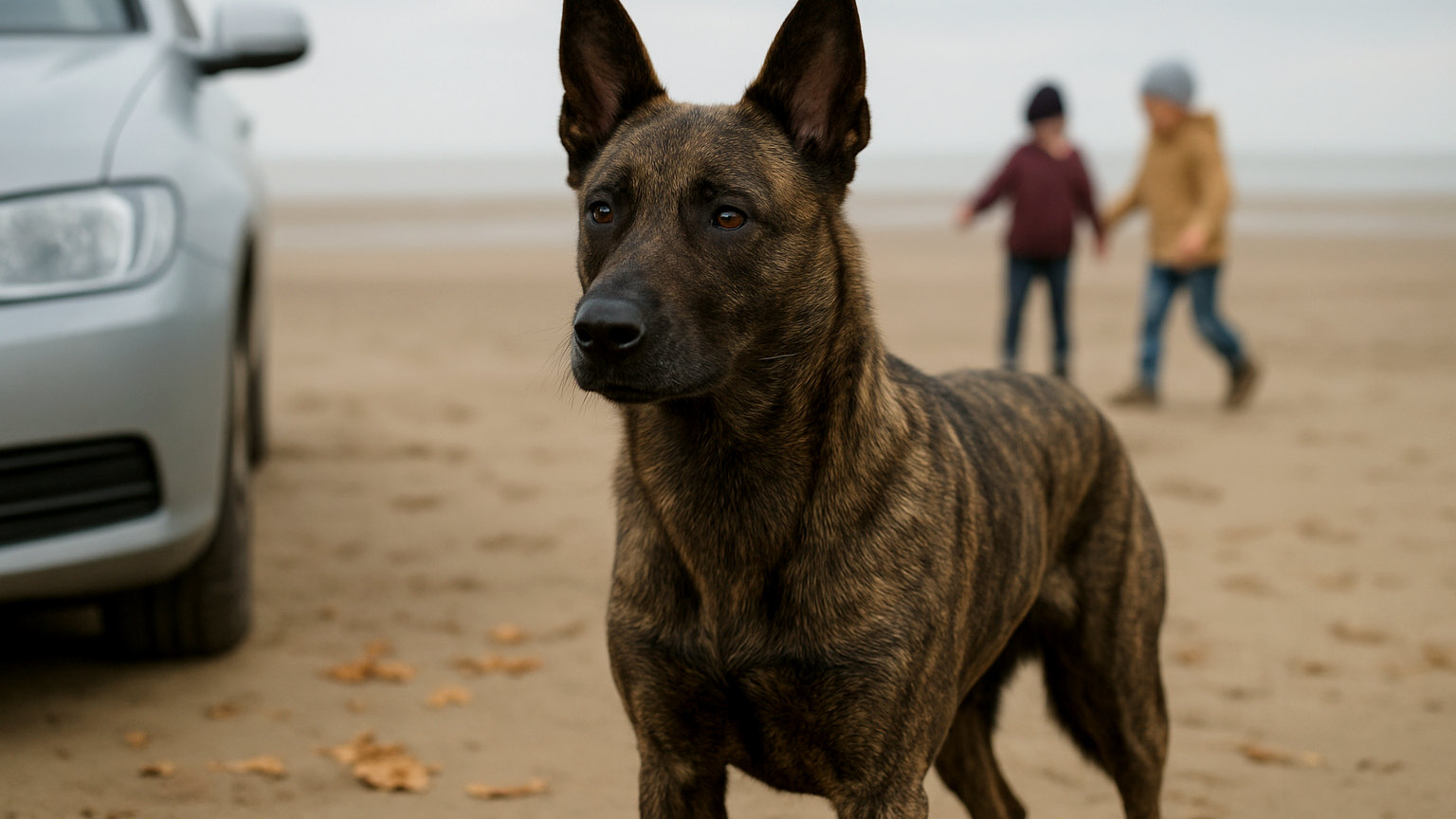
Dogs travel in cars constantly and are frequently unrestrained. The consequences in a collision are severe for everyone in the vehicle.
What does the law say?
The Highway Code states that dogs must be suitably restrained so they cannot distract the driver or injure anyone if the car stops suddenly.
Breaching the Highway Code is not itself an offence, and it can be used as evidence in a prosecution for careless or dangerous driving, which carries penalty points and a fine.
More immediately, most insurers require reasonable precautions, and an unrestrained dog contributing to an accident can affect a claim.
Why does it matter physically?
Because an unrestrained animal continues moving at the speed of the vehicle. In a crash, a dog of even moderate size becomes a projectile capable of causing serious injury to occupants.
It is also likely to be badly injured itself, and a frightened injured dog can prevent emergency services reaching people in the car.
Dogs also escape from damaged vehicles after collisions and run into traffic.
What are the options?
A crash-tested crate secured in the boot, which is generally considered the safest option. Look for one that has been independently crash tested rather than simply described as sturdy.
A boot guard or dog guard, which contains the dog in the load area. Effective at preventing distraction and less protective in a collision than a crate.
A crash-tested travel harness attached to a seatbelt anchorage point, which suits dogs travelling on the back seat.
Carriers for small dogs, secured rather than loose on a seat.
What should you avoid?
An ordinary walking harness clipped to a seatbelt, which is not designed for crash forces and can fail or cause injury.
Attaching a lead to a collar and a seatbelt, which risks serious neck injury in a sudden stop.
Dogs on the front seat, particularly where an airbag could deploy. Dogs loose on the back seat or in an open boot.
Heads out of windows, which causes eye injuries from grit and insects and risks the dog jumping or falling.
Where should the dog travel?
The boot of an estate or hatchback with a guard or secured crate is the usual arrangement for medium and large dogs.
The rear seat with a crash-tested harness suits smaller dogs and saloons. A secured carrier in a footwell works for very small dogs.
What else matters on every journey?
Ventilation and temperature. Cars heat rapidly even when moving, and dogs in boots get less airflow than people.
Water available on longer journeys. A collar with a tag and a current microchip registration, since dogs escape at service stations.
Never opening a door or boot without the lead attached first, which is where a great many escapes happen.
What about very short journeys?
The same rules apply. A great many incidents happen on trips of a few minutes, when owners judge restraint unnecessary.
Habit is what makes this workable: the dog goes in the crate or harness every time, without a decision being made each journey.
How do you introduce a restraint?
Gradually, so it is not first encountered on a long journey. Feed the dog in the crate at home with the door open, then in the stationary car.
Fit a travel harness indoors and reward wearing it before attaching it to anything.
What about dogs that travel badly?
Restraint helps more than owners expect. A dog that can see out of every window and slide around the boot has a considerably harder time than one in a stable, partly covered crate.
Facing forwards reduces nausea, and a crate positioned in the direction of travel is worth arranging.
What should you check periodically?
Crate fixings, harness stitching and clips, and boot guard fittings, all of which loosen over time.
Refit a growing dog's harness regularly, since one bought for a puppy will not restrain an adult.
The habit worth building is that the restraint goes on before the engine starts, every time, in the same way a seatbelt does.


