
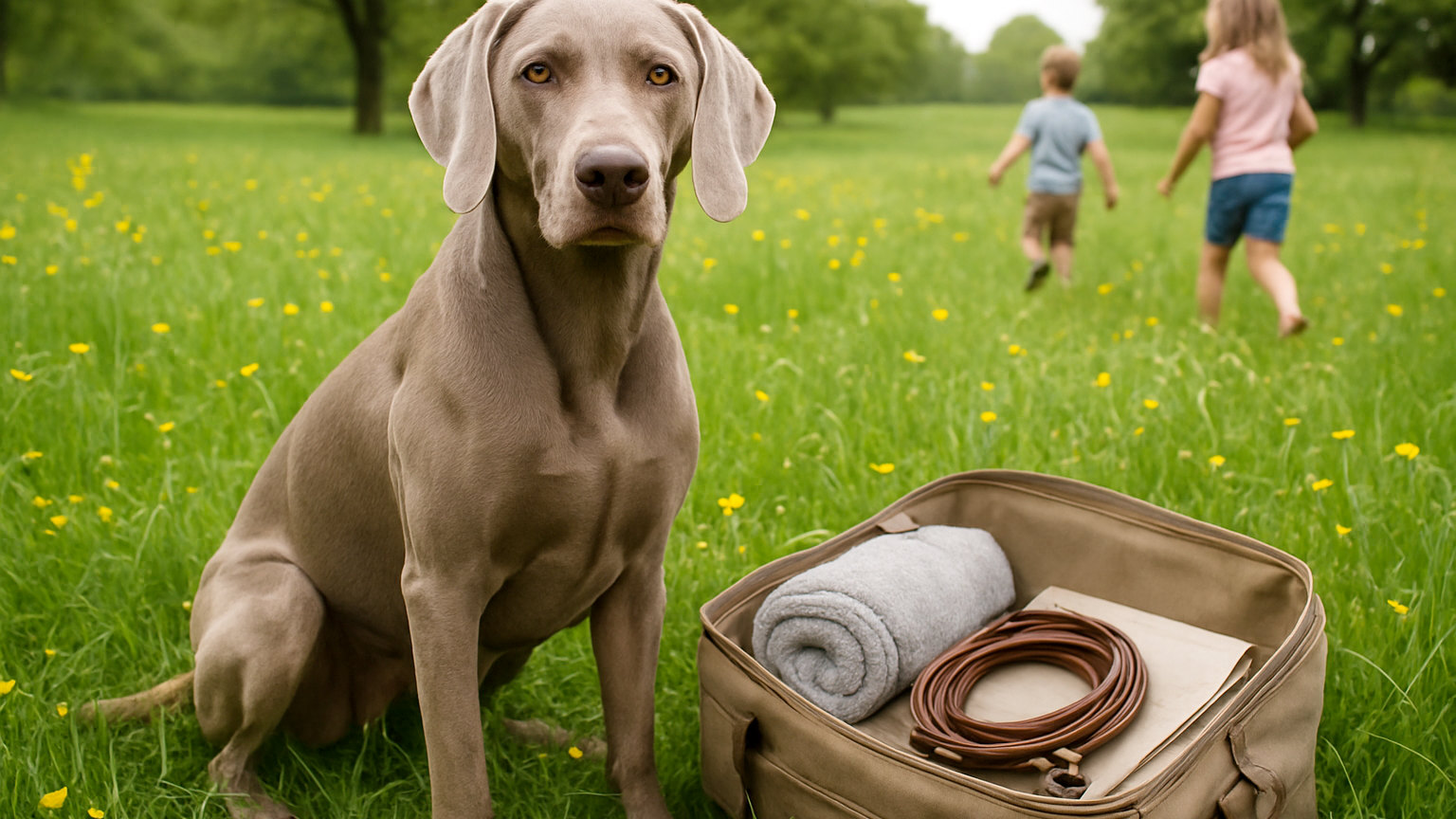
A short list prevents the usual scramble at a supermarket in an unfamiliar town on the first evening.
What are the essentials?
Food, in the usual brand and slightly more than you need, since changing diet on holiday causes upset at the worst moment.
Bowls, ideally collapsible for travel plus the usual ones for the accommodation. Water for the journey.
Lead and collar with an identification tag showing your mobile number, which is a legal requirement in a public place.
A spare lead and a spare collar, since breakages away from home are inconvenient and a lost lead can end a walk.
Poo bags, considerably more than you expect.
What about bedding?
The dog's own bed or blanket, unwashed, so it carries familiar scent. This does more for settling in unfamiliar accommodation than anything else.
A crate or pen if the dog uses one, which makes leaving it in a room practical and gives it a familiar space.
A throw for furniture, which protects the property and is frequently expected.
What medical items should you take?
Any regular medication, with more than the trip requires in case of delays. The packaging, so the name and dose are available.
A basic first aid kit: sterile saline, gauze, self-adhesive bandage, blunt scissors, tweezers, a tick removal hook and gloves.
A tick remover specifically, since rural holidays are where ticks are picked up and improvised removal causes problems.
Your vet's number, your insurance details, and the microchip number.
What paperwork matters?
Vaccination card, which boarding kennels and some accommodation ask for. Microchip details and the database name.
Insurance policy details including the emergency number. Any relevant veterinary history for a dog with an ongoing condition.
Photograph everything and keep the images on your phone as well as taking the originals.
What do people most often forget?
Towels, and then more towels. Wet muddy dogs and holiday accommodation are a poor combination.
A car restraint, if you are hiring a vehicle or borrowing one.
Long line, if the dog's recall is not reliable in unfamiliar places, which it frequently is not.
Something to occupy the dog: chews, a stuffable toy and a lickmat, all of which help it settle somewhere new.
What is worth taking for the weather?
A coat for thin-coated breeds in winter and a cooling mat or coat in summer. Paw balm for salt, sand and hot pavements.
A collapsible water bowl for walks, which matters far more in summer than people expect.
What about grooming?
A brush, particularly for long-coated dogs after beach or moorland walks, and a comb for checking for ticks and grass seeds.
Dog shampoo if you are somewhere the dog is likely to find something unpleasant to roll in.
How do you keep it manageable?
Keep a written list and reuse it, adding anything you found yourself missing. After two or three trips it becomes reliable.
A dedicated bag that stays packed with the non-perishable items saves a good deal of time.
What matters most on a short trip?
Water, poo bags, a spare lead and identification. Everything else can usually be bought or improvised.
Those four cover the situations that actually cause difficulty on a day out.
What about medication and prescriptions?
Take more than the trip needs, keep it in original packaging, and carry the prescription details in case you need a local vet to supply more.
Split the supply between two bags if travelling with others, so a lost bag does not mean a missed dose.
What about a day out rather than a holiday?
Water, bowl, poo bags, spare lead, towel and any medication. That covers almost everything.
Keep a small bag permanently in the car with those items, topped up after each use.
What is worth buying specifically for travel?
A collapsible water bowl, a proper travel restraint and a long line. Those three get used on every trip and solve real problems.
Everything else is usually something you already own.


