Plenty of people want a small dog that is happy to potter, sleep on the sofa and go out twice a day. Some breeds are far more inclined to that than others, though calmness is partly a trained skill rather than something a dog simply has.
Which breeds settle most readily?
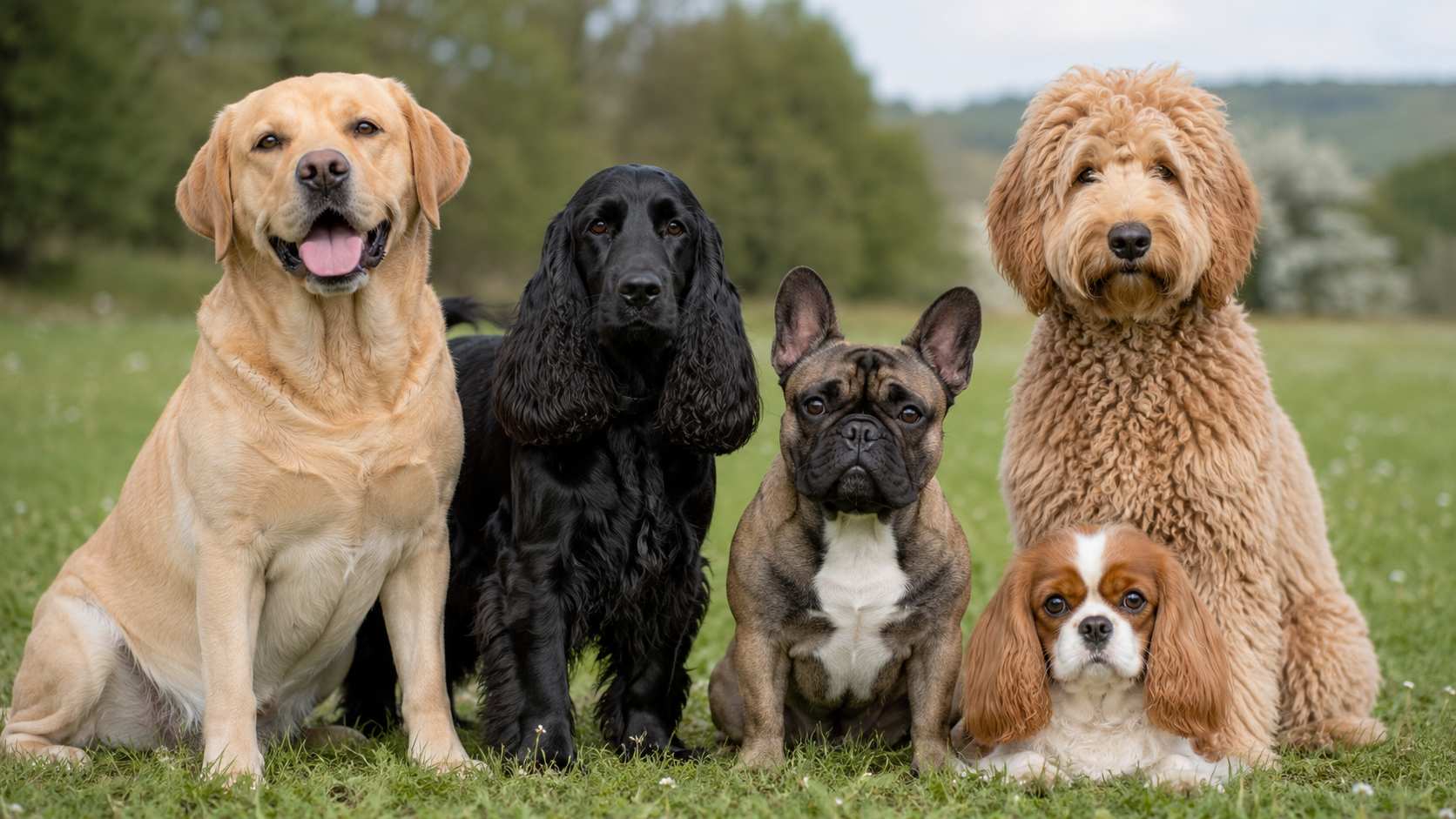
Cavalier King Charles Spaniels are consistently described as one of the calmest small breeds, bred purely as companions and generally content to be wherever their person is. The caveat is health: the breed has high rates of mitral valve disease and syringomyelia, and research into the specific lines matters a great deal.
Shih Tzus and Pekingese were both developed as palace companions and tend to be undemanding indoors. Bichon Frise and Havanese are playful but usually settle well once exercised.
Italian Greyhounds and Whippets are worth mentioning because they are among the sleepiest dogs of any size. They need a decent run but spend most of the day asleep under a blanket.
Which small breeds are rarely calm?
Working terriers, in general. Jack Russells, Patterdales, Border Terriers and Miniature Schnauzers are alert, busy and inclined to react to sounds. Chihuahuas are often more highly strung than their size suggests and can be reactive to visitors.
Shetland Sheepdogs and Miniature Poodles are intelligent and biddable but need work to stay settled. None of these is a bad choice, but none will be calm simply because it is small.
Is calmness inherited or taught?
Both, and the trained element is larger than most owners expect. Dogs are not born knowing how to switch off in a busy household, and many are never taught.
Reward calm behaviour rather than only responding to activity. If a dog is only noticed when it brings a toy or barks, it learns that activity produces attention. Quietly dropping a treat beside a dog already lying down teaches the opposite.
Teach a settle on a mat or bed, build up duration gradually, and use it during the parts of the day when you want peace. A chew or stuffed feeder helps create genuine downtime rather than a dog waiting for the next thing.
Why do so many small dogs seem hyperactive?
Frequently because they are overtired rather than under-exercised. Adult dogs sleep a great deal, and puppies need considerably more than most owners realise. An overtired dog becomes frantic, mouthy and unable to settle, which looks exactly like too much energy.
Adding another walk to an overtired dog makes it worse. Enforced rest in a quiet space often produces a noticeably calmer dog within days.
Constant low-level stimulation also prevents settling. A dog that can see the street from a window and reacts all day is never actually resting.
What should you look for when choosing?
Meet the parents where possible and watch how they behave rather than relying on the breed description. Temperament is heritable, and a nervous or frantic mother is a meaningful warning sign.
Consider an adult from rescue if calmness is your priority. An adult dog's energy level is visible rather than predicted, and staff will tell you which of their dogs are genuinely settled at home. That removes most of the guesswork.
How does household routine affect calmness?
More than most owners realise. Dogs settle far better with a predictable rhythm, because they are not constantly anticipating what happens next. Walks, meals and quiet periods at roughly consistent times reduce background arousal considerably.
Households where the dog is stimulated in unpredictable bursts tend to produce dogs that never fully switch off. Somebody comes home, the dog is excited, then ignored, then excited again.
Building in a genuine rest period after each walk, with a chew and a quiet space, teaches the dog that activity is followed by downtime rather than by waiting for the next event.
Choose for the dog you want at three years old rather than the one in the photograph. Puppies of every breed are busy, and the settled temperament you are actually after is a property of the adult.