Choosing a dog for a flat is mostly a question of what the neighbours hear and how the dog copes without a back door. Size comes into it, but a quiet, settled large dog is a better neighbour than a small one that barks at every footstep in the corridor.
Which breeds tend to suit flats?
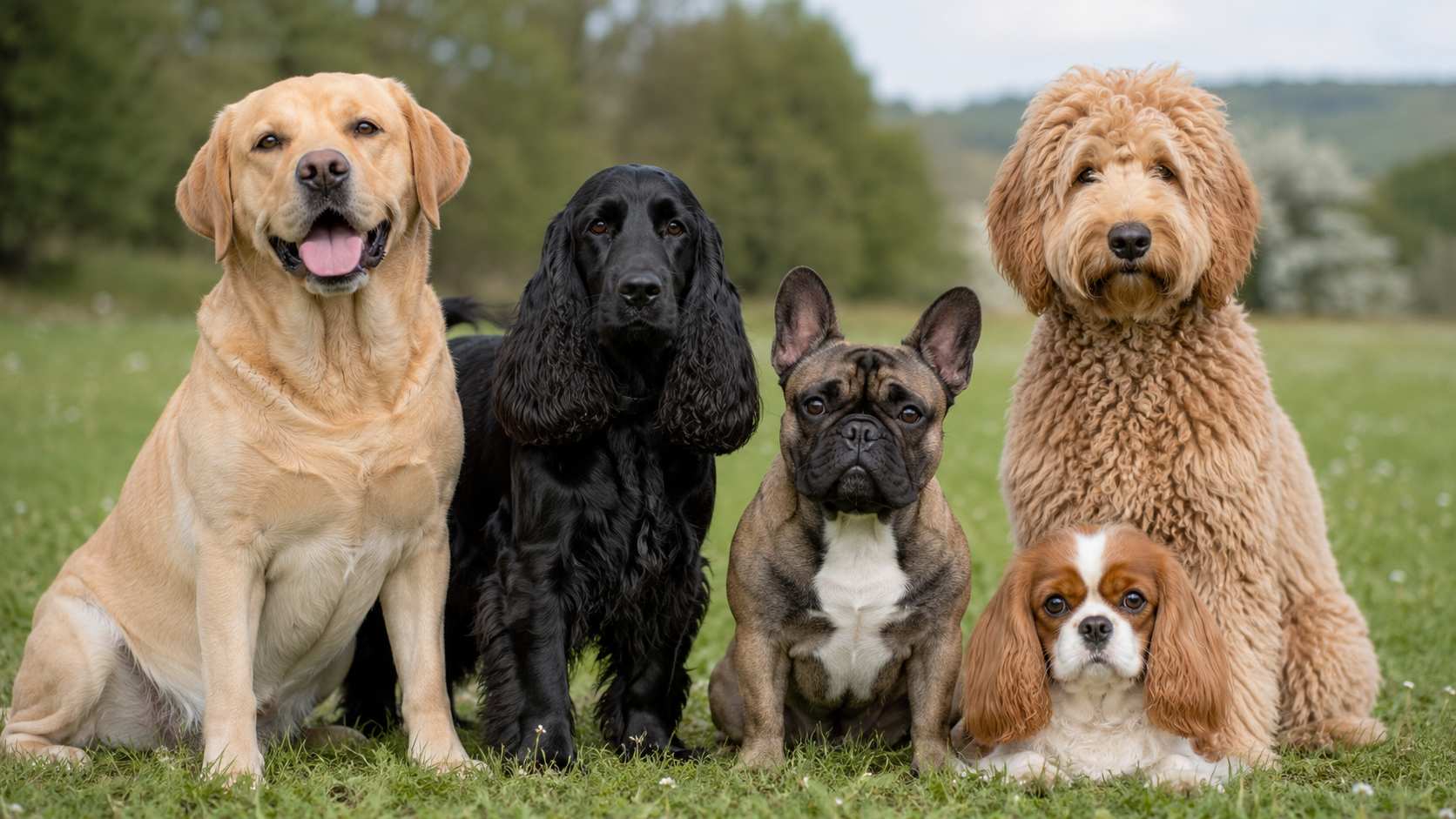
Cavalier King Charles Spaniels are among the most consistently suitable. They are small, affectionate, generally quiet and content with moderate exercise, though the breed has significant heart and neurological problems that need careful research before committing.
Bichon Frise, Maltese and Havanese are all adaptable, people-focused and manageable indoors, though all three need serious coat maintenance. Greyhounds and Whippets surprise people by being excellent flat dogs despite their size, because they sleep for most of the day and are naturally quiet.
Pugs and French Bulldogs are frequently recommended for flats and do suit them in terms of space and exercise, but their breathing problems mean warm weather and stairs need managing carefully.
Why does noise matter more than size?
In a house, a barking dog is a household problem. In a flat, it is everyone's problem, and it is the most common reason tenants are asked to rehome a dog.
Terriers were bred to alert and to work independently, and most bark readily. Miniature Schnauzers, Jack Russells, Yorkshire Terriers and Chihuahuas are all vocal by default. That does not rule them out, but it does mean barking needs active management from the first week rather than after complaints start.
Reduce what the dog can see and hear from the front door, teach a settle on a bed, and reward quiet deliberately. Waiting until the habit is established makes it considerably harder to change.
What about stairs and lifts?
Stairs are a genuine consideration for long-backed breeds such as Dachshunds, and for very small or very young dogs. Repeated stair use, particularly going down, loads the spine and joints.
If you are on an upper floor without a lift, be honest about carrying the dog several times a day in wet weather, and about what happens when the dog is elderly or recovering from surgery. Many owners find this is the part they underestimated.
Lifts need introducing gradually. The moving floor unsettles a lot of dogs at first, and a dog that panics in a lift makes every walk stressful.
How do you manage without a garden?
Toilet training takes longer without immediate outdoor access, because you cannot simply open a door after every nap and meal. Plan for more frequent trips outside during the first months, including through the night with a puppy.
Every toilet break becomes a deliberate journey, which is manageable but relentless. Some owners use puppy pads on a balcony as an interim measure, though this can slow full outdoor training.
What else should you check first?
Check your tenancy or lease before anything else. Many leasehold flats prohibit pets outright or require written consent, and some freeholders refuse specific breeds. Getting this in writing protects you later.
Think about mental stimulation too. A dog in a flat has less to look at and less to do, so scent games, chews, puzzle feeders and training sessions matter more than they would in a house with a garden.
Finally, consider an adult rescue dog. Rescue centres know which of their dogs are quiet, settled and already toilet trained, and they will match you to something suitable rather than leaving you to guess from a breed description.
Does the dog need to be small at all?
Not necessarily, and this is worth questioning. Greyhounds are among the most recommended flat dogs in Britain despite standing waist high, because they are quiet, undemanding indoors and sleep for eighteen hours a day.
What makes a flat dog is temperament and noise tolerance rather than footprint. A calm large breed that settles for the afternoon is easier to live with at close quarters than a small dog reacting to every sound through the wall.
If you are set on small, prioritise the quiet breeds and be prepared to train against barking from day one rather than assuming it will not develop.