A small dog seems like the safer option for a household with toddlers, and it is one of the most common assumptions parents make. Rescue centres and behaviourists see a rather different picture, and the reasons are worth understanding before choosing.
Why does size increase the risk?
Because a small dog is genuinely at risk from a small child. A toddler falling onto a Chihuahua or dropping a Yorkshire Terrier can cause real injury, and a dog that has been hurt learns that children are dangerous.
Dogs that cannot escape a perceived threat and cannot make it stop will eventually use their teeth. A large, tolerant dog can absorb clumsy handling and walk away. A small dog frequently cannot get away at all, because it is being held.
Small dogs are also picked up constantly, which removes their ability to leave a situation. Being carried towards something frightening, unable to retreat, is a common precursor to snapping.
Are small dogs more likely to bite?
They bite more often but cause far less damage, which is why the statistics on bites requiring hospital treatment look different from the statistics on bites occurring at all.
The higher frequency is largely down to tolerance. Warning behaviour from a small dog is often ignored or found amusing, so it escalates. Growling is punished rather than heeded, which removes the warning without removing the feeling behind it.
Almost every bite to a child happens at home with a familiar dog, and almost all are preceded by signals that were missed.
Which small breeds tend to cope better?
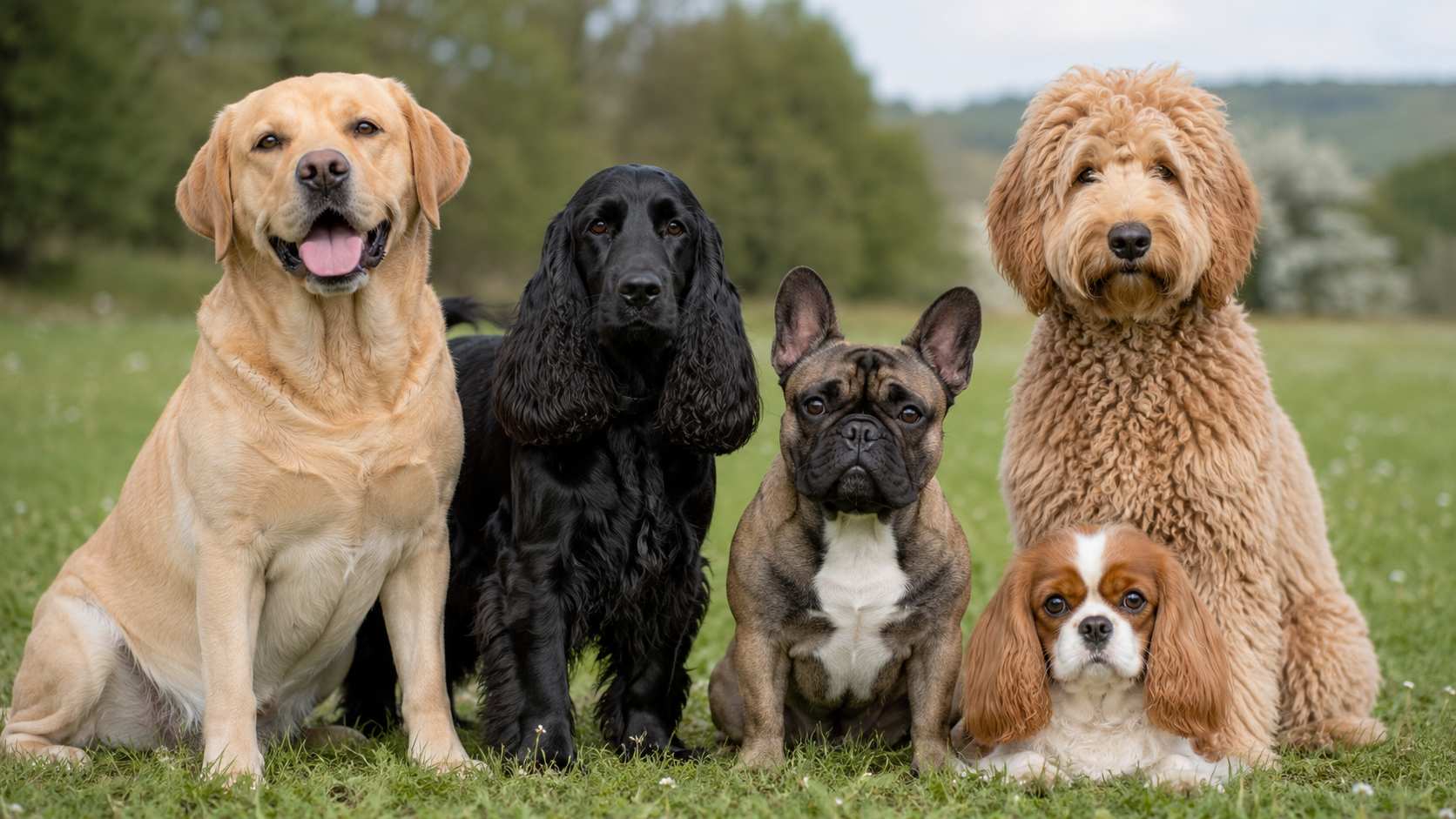
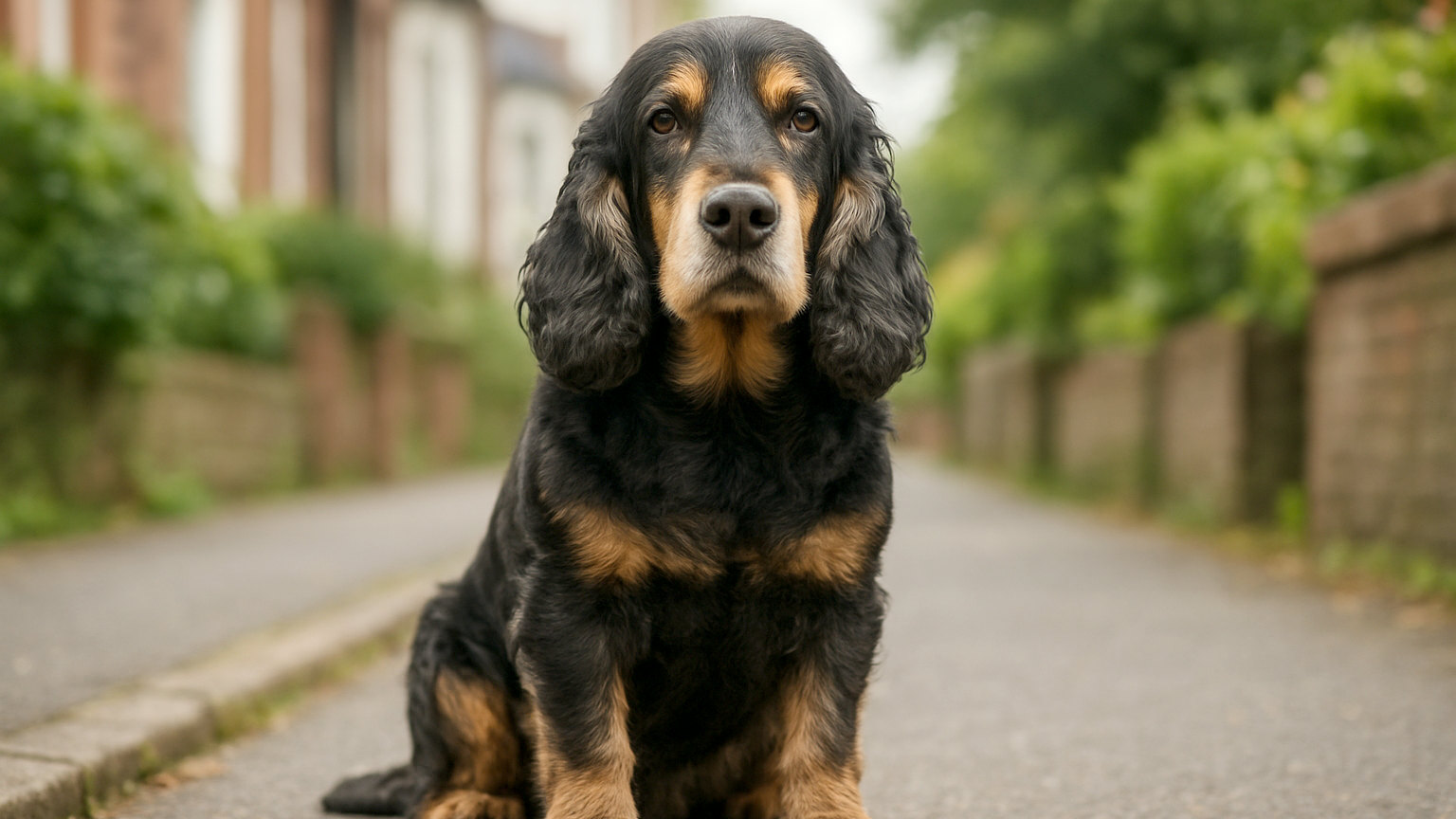
Cavalier King Charles Spaniels, Bichon Frise, Havanese and Pugs are generally tolerant and sociable. Miniature Schnauzers and Cocker Spaniels sit at the upper end of small and are sturdier than a toy breed.
Toy breeds including Chihuahuas, Papillons, Italian Greyhounds and Yorkshire Terriers are physically fragile and often better suited to households with older children. Some terriers have shorter fuses when pestered repeatedly.
Individual temperament matters more than breed. Meeting the parents, or choosing an adult from rescue whose behaviour with children is already known, tells you far more than any breed description.
What supervision actually works?
Active supervision means being in the room, watching and ready to intervene. Being nearby while looking at a phone is not supervision, and it is the situation in which most incidents occur.
Give the dog a bed or crate that children are never allowed to approach, and enforce that absolutely. A dog that has a reliable escape route rarely needs to escalate.
Do not allow children to carry the dog. Teach them to sit on the floor and let the dog come to them, which puts the dog in control of the interaction.
What signals should everyone learn?
Lip licking, yawning when not tired, turning the head away, showing the whites of the eyes, a tucked tail, freezing or moving away all mean the dog wants space. These come long before a growl.
Treat a growl as useful information rather than misbehaviour. It is the dog asking for distance, and a dog punished for growling may skip that step next time.
Teach children to leave the dog alone when it is eating, sleeping or in its bed, and the majority of problems never arise.
How should you introduce a small dog to a new baby?
Gradually, and well before the baby arrives. Set up the equipment early so the dog has weeks to get used to it, and establish any new rules about furniture or rooms in advance rather than at the same time as the disruption.
Play recordings of baby noises quietly while the dog does something enjoyable, building the volume slowly. This prevents the sounds being startling on the day.
Once the baby is home, avoid pushing them together. Let the dog observe from a distance it is comfortable with, keep its routine as normal as possible, and never leave them alone together at any age.