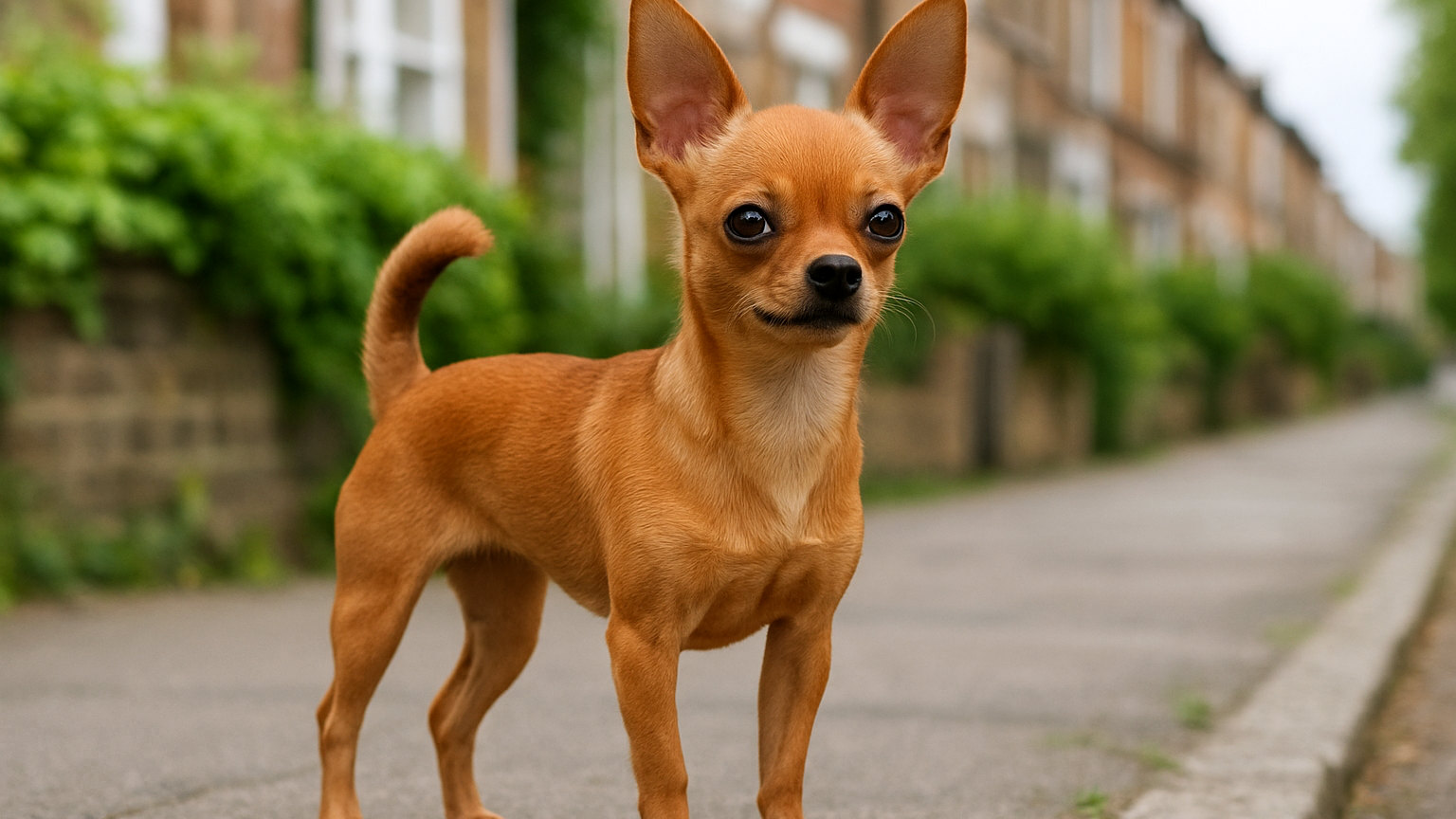
Chihuahuas are among the most common small dogs in Britain and among the most misunderstood. The reputation for being snappy and highly strung is real often enough to matter, but it is largely a product of how they are raised rather than something fixed in the breed.
Why do so many Chihuahuas seem reactive?
Because being very small in a world of large, fast-moving things is genuinely alarming, and because owners frequently respond in ways that make it worse.
A Chihuahua that growls at a stranger is usually picked up. From the dog's perspective, growling made the threat go away, so the behaviour is reinforced. Small dogs are also carried far more than they walk, which limits the ordinary exposure that teaches a dog the world is safe.
Owners also tend to tolerate behaviour in a small dog they would never accept in a large one. Lunging and snapping from a two kilogram dog is treated as comic rather than as a problem, so it is never addressed.
How do you raise a confident Chihuahua?
Treat it like a dog rather than an accessory. Let it walk on its own feet, use a harness rather than a collar to protect the delicate trachea, and take it to the same places you would take any puppy.
Socialisation before sixteen weeks is critical: calm exposure to visitors, traffic, other dogs, handling and household noise, all at a distance the puppy can cope with. Never force interaction, and let the dog approach in its own time.
Teach the puppy that people approaching predicts something good, and reward calm rather than picking the dog up whenever it is uncertain. If you must lift it, do so before it panics rather than as a response to growling.
What health problems should you know about?
Patellar luxation, where the kneecap slips out of position, is common and sometimes needs surgery. Tracheal collapse is also seen, which is one reason a harness matters.
Many Chihuahuas have a moleraa soft spot in the skull that never fully closes. This is normal in the breed but means head injuries need care. Hydrocephalus occurs in some lines.
Very small puppies are prone to low blood sugar, which can cause weakness or collapse and needs prompt attention. Dental disease is extremely common because the teeth are crowded into a small jaw, so brushing is genuinely important.
Are they suitable for families?
They generally suit households with older children better than those with toddlers. A Chihuahua is easily injured by a dropped or falling child, and a dog that has been hurt becomes defensive.
They are also frequently devoted to one person in particular and can be aloof with everyone else, which some families find disappointing.
What are they actually like at their best?
Loyal, alert, funny and surprisingly bold. A well-socialised Chihuahua is confident rather than nervous, travels easily, needs modest exercise and lives a long time, frequently reaching fourteen to sixteen years.
They also feel the cold and genuinely benefit from a coat in British winters, which is practical rather than decorative. Keep them lean, look after the teeth, and treat the temperament as something to build rather than something to excuse.
How much exercise and grooming do they need?
Around thirty to forty-five minutes a day for an adult, split into two walks, plus mental work. They are more capable than their size suggests and enjoy scent games and short training sessions.
Smooth coats need almost no grooming beyond an occasional brush. Long coats need brushing several times a week, particularly behind the ears and on the legs.
Both types feel the cold acutely, and a well-fitted coat in British winters is practical rather than indulgent. A shivering dog on a walk is genuinely uncomfortable rather than simply looking sorry for itself.
Above all, resist the temptation to treat a Chihuahua as fragile in temperament as well as body. The dogs that turn out best are the ones taken everywhere, allowed to walk, and expected to cope with ordinary life from the beginning.