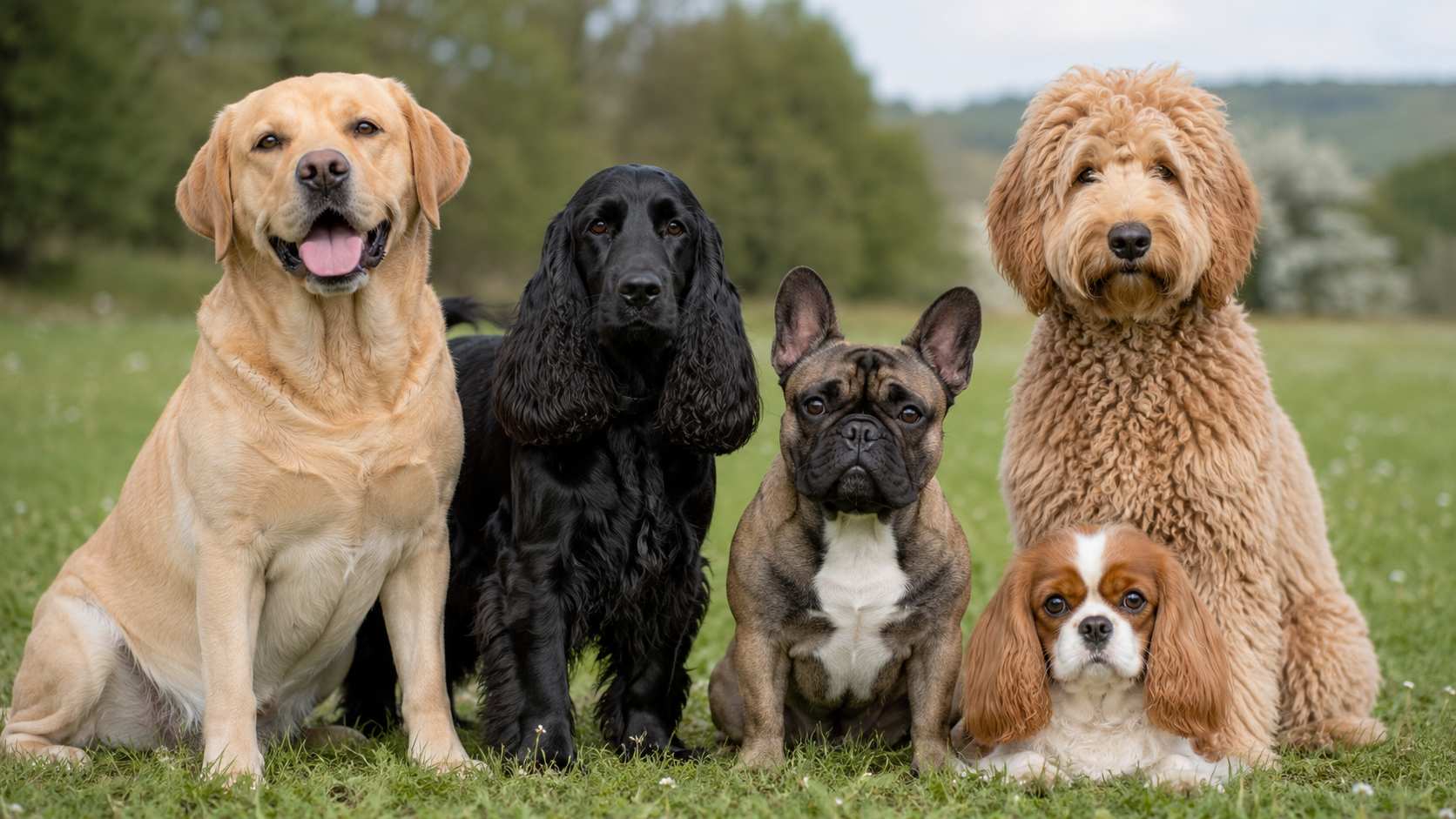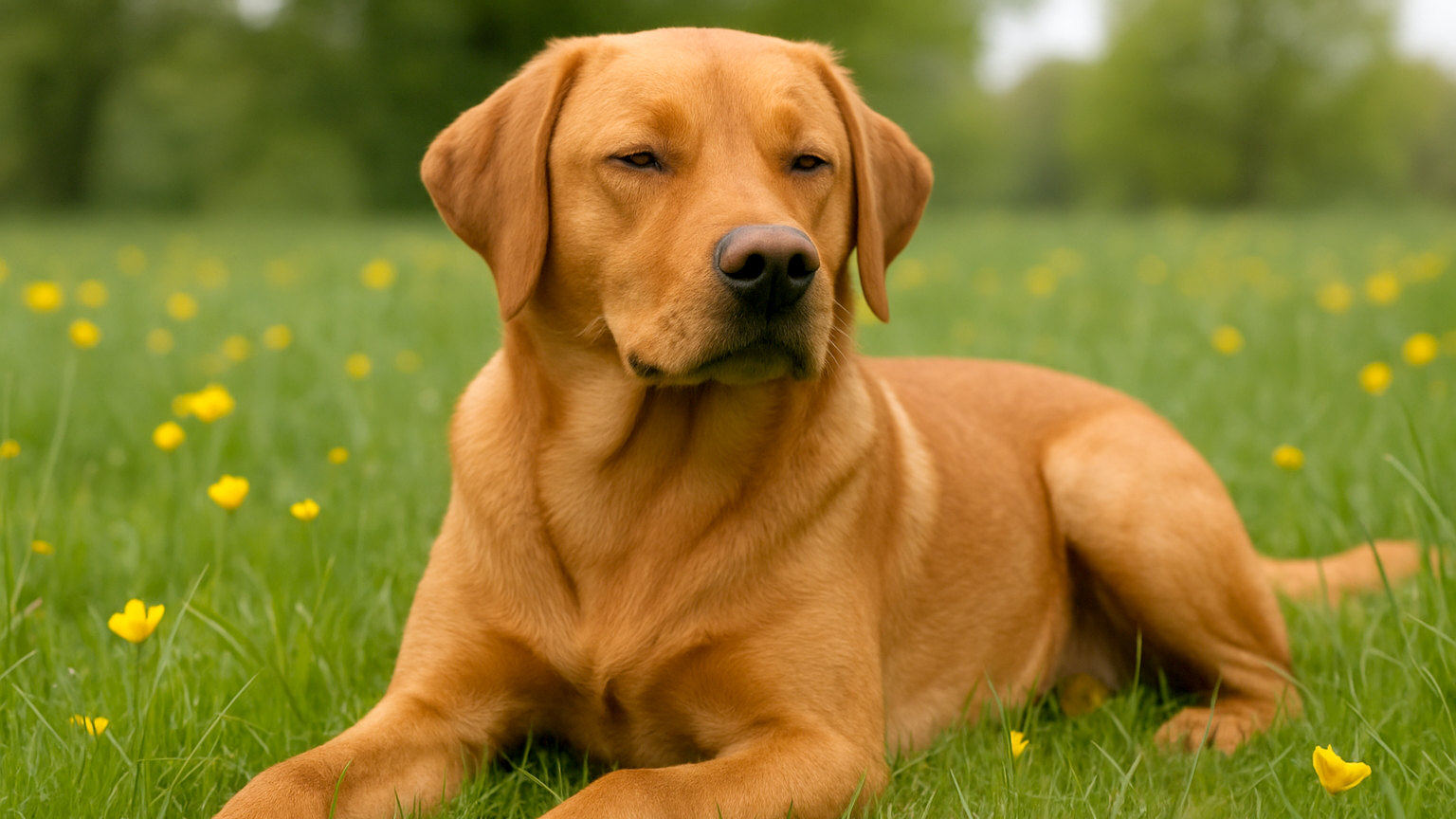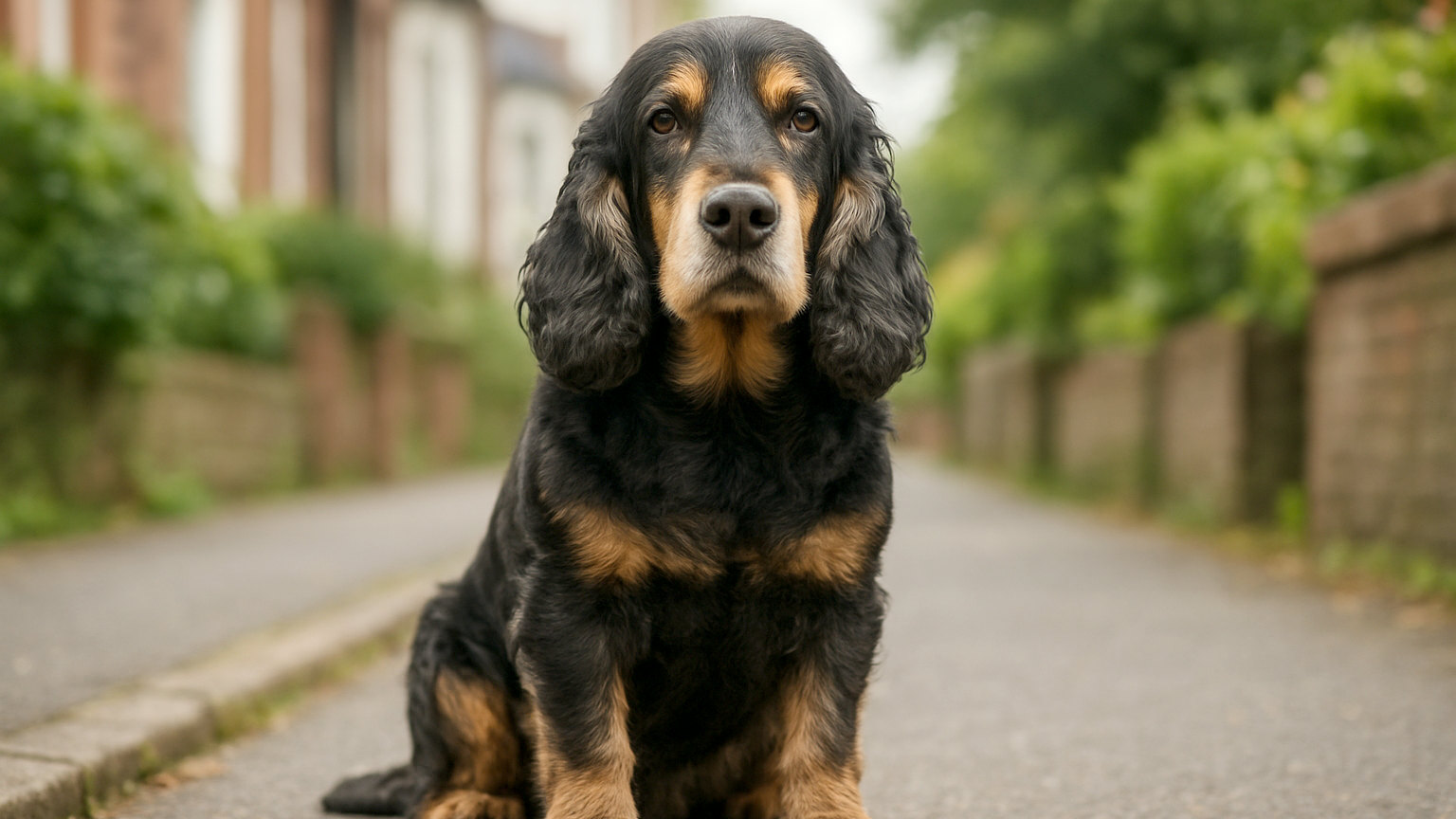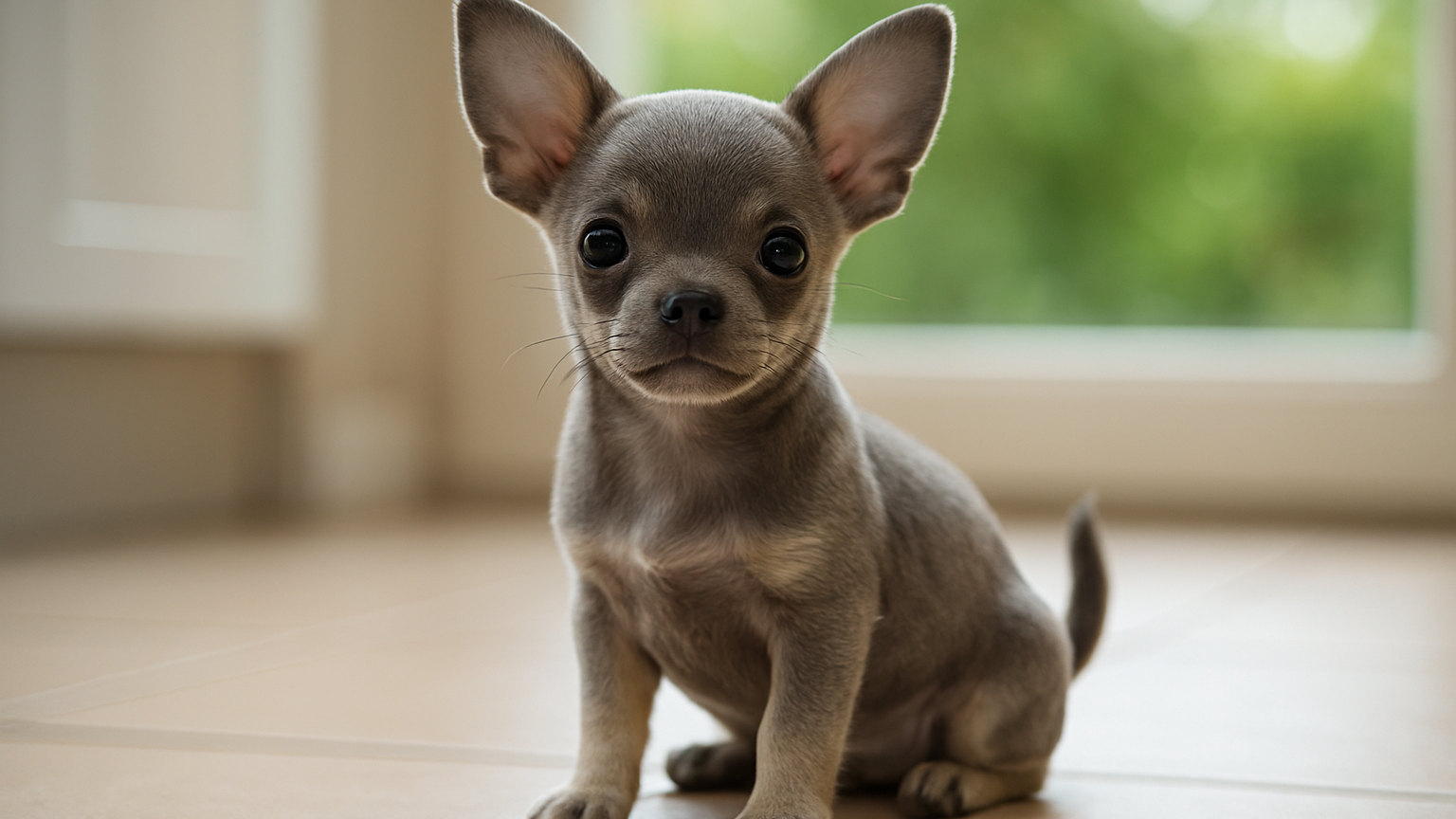
Across the animal kingdom, larger species usually live longer than smaller ones. Elephants outlive mice by decades. Within dogs, the pattern reverses completely, and a small dog frequently lives half as long again as a large one.
How large is the difference?
Substantial. Toy and small breeds often reach fourteen to sixteen years, with Chihuahuas, Jack Russells and Miniature Poodles regularly exceeding that.
Medium breeds typically manage eleven to thirteen years. Large breeds average ten to twelve. Giant breeds such as Great Danes, Irish Wolfhounds and Bernese Mountain Dogs frequently live only six to nine years, and a seven-year-old Great Dane is an elderly dog.
The gap between a Chihuahua and a Great Dane can be eight years, which is an enormous difference within a single species.
What explains it?
The leading explanation is growth rate. A Chihuahua puppy might grow from a few hundred grams to two kilograms. A Great Dane grows from a similar starting weight to seventy kilograms in roughly the same period.
That requires an extraordinary rate of cell division, and rapid growth appears to come at a cost. Large breeds show higher levels of insulin-like growth factor, which is associated with faster growth and shorter lifespan across many species.
More cell division also means more opportunities for errors, which is one reason cancer rates are higher in large breeds and why they tend to develop it younger.
Is it just cancer?
No, though cancer accounts for a large share. Large dogs also carry more weight on their joints, so arthritis develops earlier and affects mobility sooner.
Deep-chested breeds are at risk of bloat, which can kill within hours. Heart conditions such as dilated cardiomyopathy are more common in large breeds. Anaesthetic and surgical risks are also higher.
Large dogs appear to age faster in a general sense rather than simply suffering one specific condition, showing grey muzzles and mobility changes at ages when a terrier is still behaving like a young dog.
Do small dogs have their own problems?
Certainly, though they tend to be less immediately life-limiting. Dental disease is far more common because teeth are crowded into small jaws, and untreated dental disease affects overall health.
Patellar luxation, tracheal collapse and heart valve disease are all more common in small breeds. Long-backed small dogs such as Dachshunds have high rates of spinal disease.
Small breeds are also more likely to be overweight without owners noticing, because a kilogram on a five kilogram dog is proportionally enormous.
What can an owner actually influence?
Keeping a dog lean is the single most effective intervention available, with measurable effects on joint health, diabetes risk and years of healthy life. This applies at every size.
Regular dental care matters particularly for small breeds. Appropriate exercise while growing protects developing joints in large ones, and avoiding forced exercise before growth plates close is genuinely important.
Prompt investigation of changes matters at any size, and more urgently in large breeds where conditions progress faster. Neutering timing is also worth discussing with a vet for large breeds, since very early neutering has been linked with higher rates of joint problems.
Does breed matter as much as size?
It matters, but size is the stronger predictor. Within any given size band there is variation, and some breeds fall well below the average for their size because of specific inherited problems.
Cavalier King Charles Spaniels are a clear example: small dogs that ought to reach fourteen or fifteen years but often do not, because of the prevalence of early-onset heart disease in the breed. Flat-faced breeds of any size are also affected by conformational problems that shorten life.
Crossbreeds tend to do slightly better than pedigrees on average, though a cross between two breeds sharing the same problem inherits it from both sides rather than escaping it.
The practical conclusion is that size sets the broad expectation and everything else adjusts it. A lean, well-cared-for large dog can outlive a neglected small one, and the habits of the owner remain the largest single variable.