Low shedding is one of the most common requirements people bring to choosing a small dog, and several breeds genuinely deliver it. What often goes unmentioned is that a coat which does not shed still grows, and the hair has to go somewhere.
Which small breeds shed the least?
Poodles, in toy and miniature sizes, are the benchmark. Their curly coat traps loose hair rather than dropping it, and they shed very little.
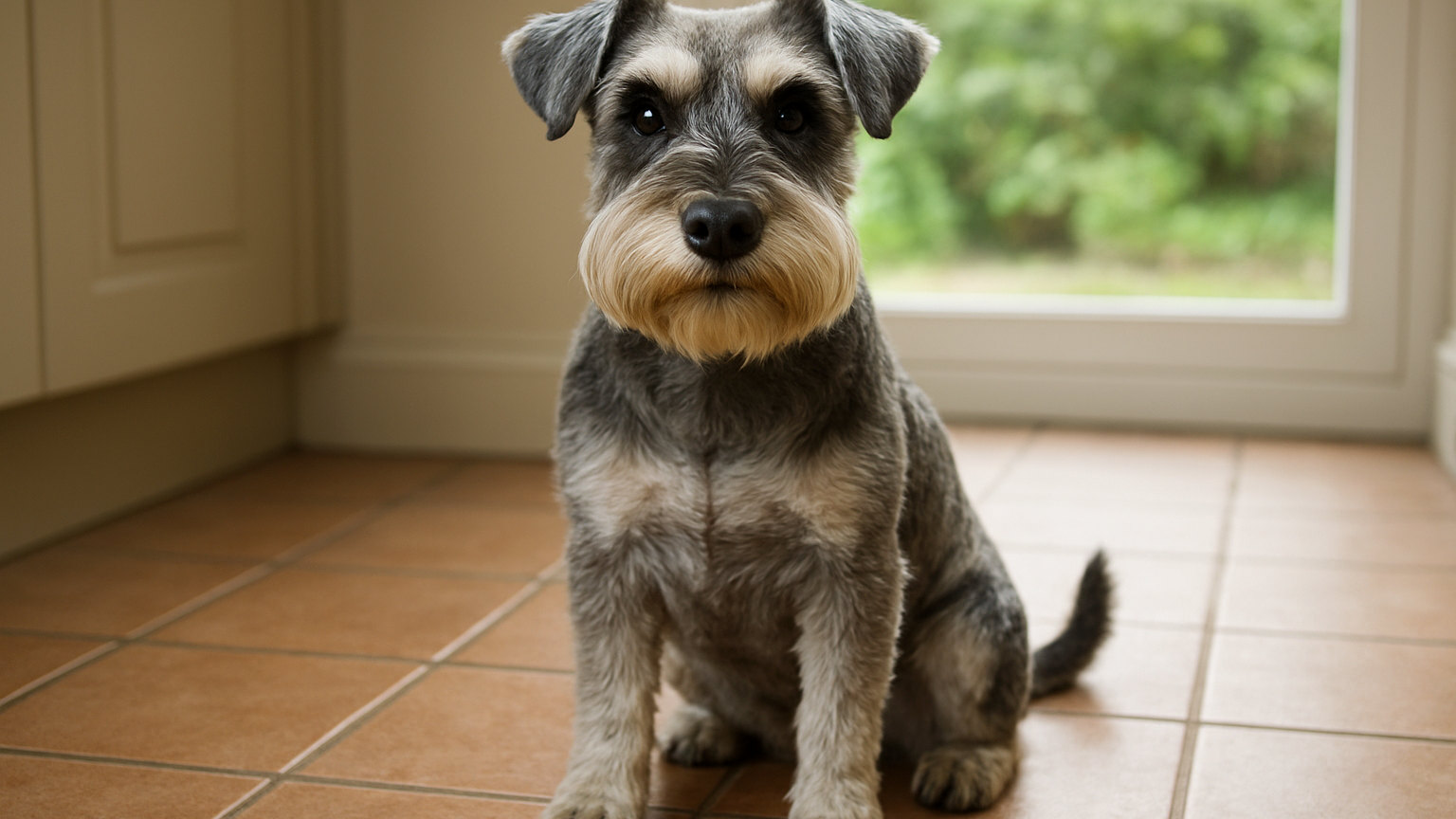
Bichon Frise, Maltese, Havanese, Coton de Tulear and Lhasa Apso all shed minimally. Yorkshire Terriers have hair rather than a typical double coat and drop very little. Miniature Schnauzers shed lightly, though their wiry coat needs specific handling.
Among crossbreeds, Cockapoos, Cavapoos and Maltipoos frequently shed little, but this is not guaranteed. Coat type varies within a single litter depending on which parent's genes dominate, so you cannot assume a particular puppy will be low shedding.
Does low shedding mean hypoallergenic?
No dog is genuinely hypoallergenic. Reactions are usually to proteins in dander, saliva and urine rather than to hair itself, and every dog produces those.
What a low-shedding coat does is trap dander in the coat rather than distributing it around the room, which reduces exposure for many allergy sufferers. That is a real benefit but not an elimination of the allergen.
Anyone choosing a breed specifically for allergies should spend extended time with the individual dog on more than one occasion before committing, because responses vary considerably between people and between dogs.
What does a non-shedding coat cost to maintain?
Considerably more time and money than a shedding one. Hair that would otherwise drop out stays in the coat and mats, and matted fur is painful rather than simply untidy.
Expect brushing several times a week at minimum and daily for curly or long coats. Professional grooming every six to ten weeks is normal, and annual grooming costs for a small curly-coated dog frequently run into several hundred pounds.
A coat left too long has to be clipped off rather than brushed out, because working through tight matting causes real pain. Groomers see this constantly and it is entirely preventable.
Which areas mat first?
Behind and under the ears, in the armpits, on the belly, around the collar and between the back legs. These are friction points and they need specific attention rather than a quick brush over the back.
Get the dog used to being handled everywhere from the first week, including paws, ears, face and tail. A dog that tolerates grooming is far cheaper and less stressful to maintain than one that fights it.
Are there low-maintenance alternatives?
If your real priority is minimal work rather than minimal hair, a short smooth coat is easier than either. Smooth Dachshunds, smooth Chihuahuas, Italian Greyhounds and Miniature Pinschers all shed but need almost no grooming.
Whippets are worth considering slightly above the small category: they shed lightly, need very little coat care and are exceptionally clean dogs with little doggy odour.
The honest summary is that you are choosing between hair on the furniture and time spent on the coat. There is no small breed that offers neither.
How do you keep grooming costs manageable?
Learn to do the maintenance yourself between professional appointments. A groomer is doing a full clip, but daily line brushing at home is what prevents matting, and it takes ten minutes once the dog accepts it.
Buy a proper slicker brush and a metal comb rather than a soft bristle brush, which glides over the top of the coat without reaching the layer underneath where mats form. Comb through to the skin and check the friction points specifically.
Keeping the coat in a shorter clip rather than at full length reduces both brushing time and the frequency of professional visits, without any welfare cost to the dog.
Whichever coat you choose, introduce grooming as a routine rather than an event. Short, frequent, calm sessions with a treat afterwards produce a dog that tolerates handling for life and a groomer who is glad to see you.