New owners tend to start with sit because it is easy and visible. There is nothing wrong with it, and several less obvious things matter far more.
What are the genuine priorities?
Four things, roughly in this order: responding to its name, settling calmly, accepting handling, and coping with short periods alone.
These are life skills rather than tricks. A dog that can do all four is easy to live with, easy to treat at the vet and easy to leave. One that cannot is difficult regardless of how many cues it knows.
Why does handling come so early?
Because it is the thing you will need most often and the hardest to teach later. A dog that objects to having its paws, ears or mouth touched makes grooming, nail clipping, tick removal and veterinary examination genuinely difficult.
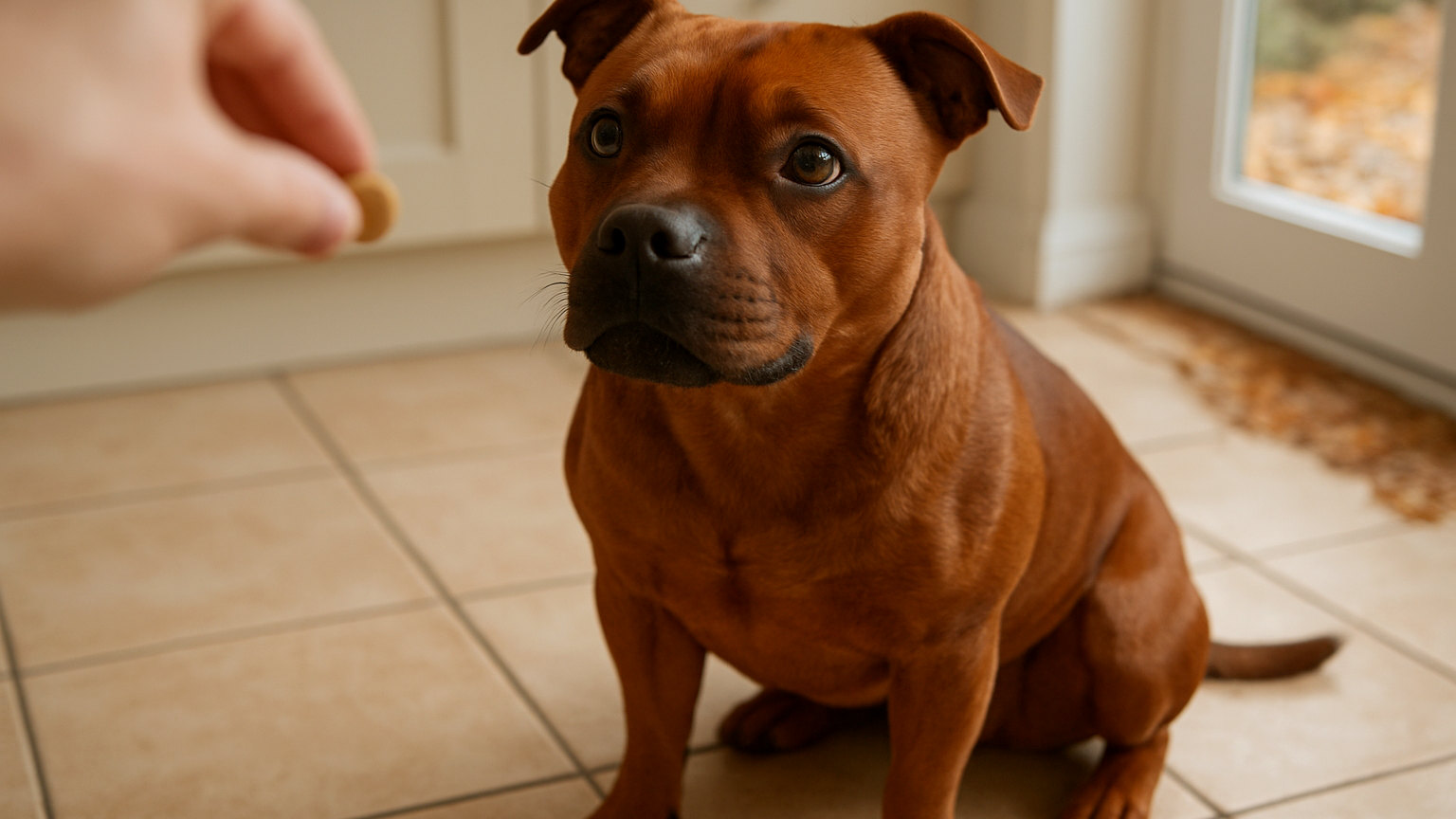
Spend a few seconds daily touching paws, individual toes, ears, lifting lips to see teeth, the tail and the belly, pairing each with a treat.
Do it before it matters, so that examination is entirely ordinary rather than something introduced during an emergency.
Why teach settling?
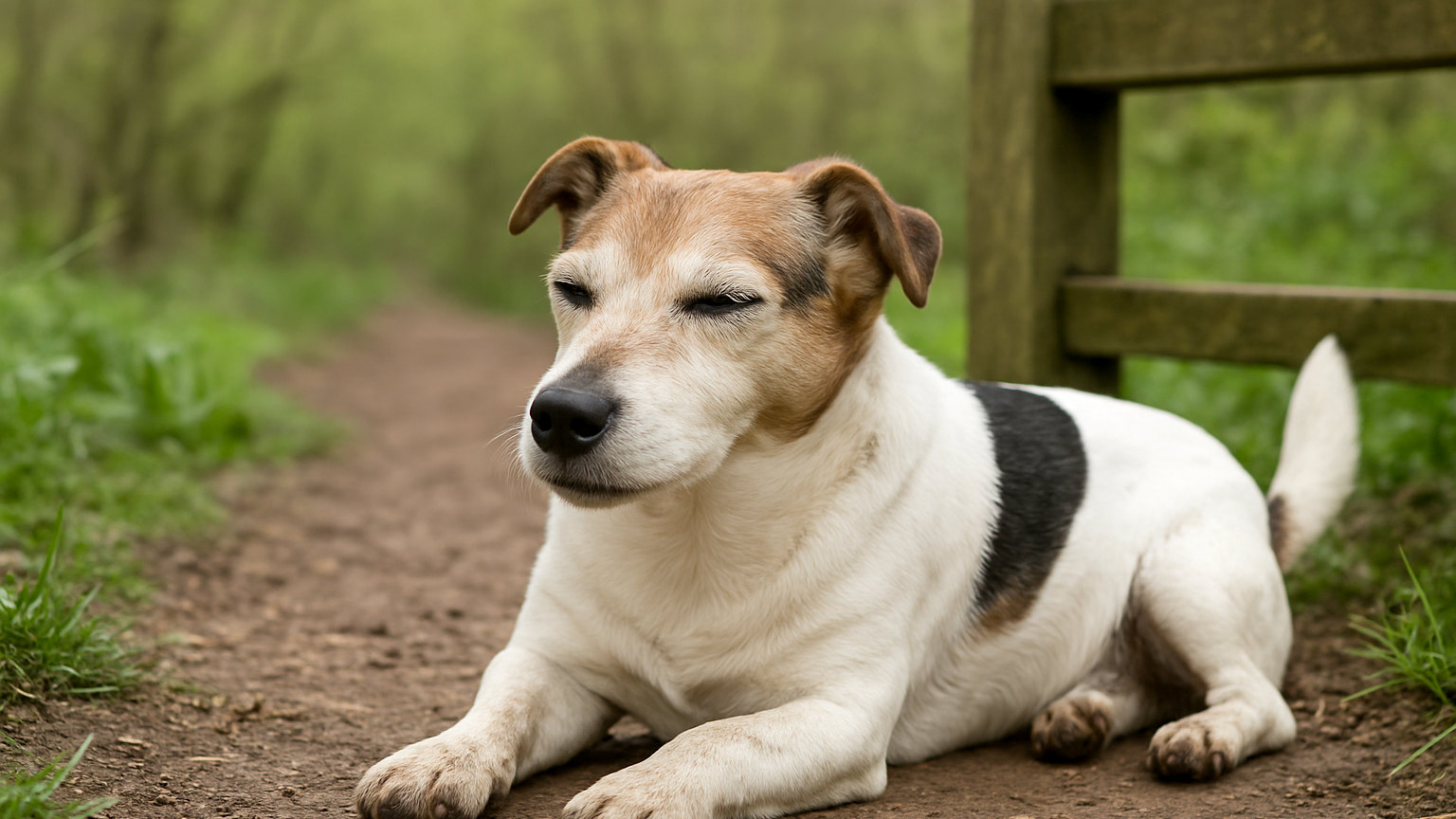
Because most of a dog's life is spent doing nothing, and knowing how to do nothing calmly is a skill many dogs are never taught.
Reward the puppy for lying quietly rather than only interacting when it is active. Quietly drop a treat beside a settled puppy, which teaches that calm produces good things.
Introduce a mat or bed as a defined place, reward the puppy for going there, and build up duration gradually with a chew.
Why start alone time immediately?
Because separation problems are far easier to prevent than to treat, and a puppy that has never been left will find its first real absence alarming.
Start with seconds. Step out of the room while the puppy is settled, return before it becomes concerned, and build very gradually.
The measure is the puppy staying relaxed rather than the length of time. Leave quietly and return without fuss, so departures and arrivals are unremarkable.
What formal cues are worth teaching?
Sit, which is easy and useful as a default polite behaviour. Down, as a foundation for settling.
Give or drop, which is genuinely important, since a puppy that will release an item without a chase is far safer. Teach it by trading for something better rather than taking things away.
Leave it, meaning do not pick that up, which prevents a great deal of trouble on walks.
What about walking on a lead?
Start indoors before the puppy ever goes out. Let it wear a harness until it stops noticing, then attach a lead and let it trail under supervision.
Reward the puppy for being beside you and take a single step, rewarding again while it is still in position. This builds the position rather than correcting the pulling.
How much can a puppy manage?
Several two to five minute sessions daily, spread out. Choose one or two things to work on at a time rather than everything at once.
Finish while the puppy is still keen. Enthusiasm matters more at this stage than precision, and a puppy that enjoys training learns everything else faster.
What about house rules?
Decide them before the puppy arrives and apply them from the first day. Furniture, which rooms are allowed, where the puppy sleeps and whether it is fed from the table.
Changing a rule later is considerably harder than establishing it, and a puppy allowed on the sofa for a fortnight will not understand why the rule changed.
How do you know it is working?
The puppy offers the behaviour without being asked, which is the clearest sign it has learned rather than complied.
Progress with life skills is measured differently: a puppy that can be left for twenty minutes calmly, tolerates having its paws handled and settles when the household is busy is doing well, whatever it knows in formal cues.