Most dogs cope well with British winters and benefit from getting out regardless of the weather. A few hazards are specific to the season and worth knowing about.
Which dogs feel the cold?
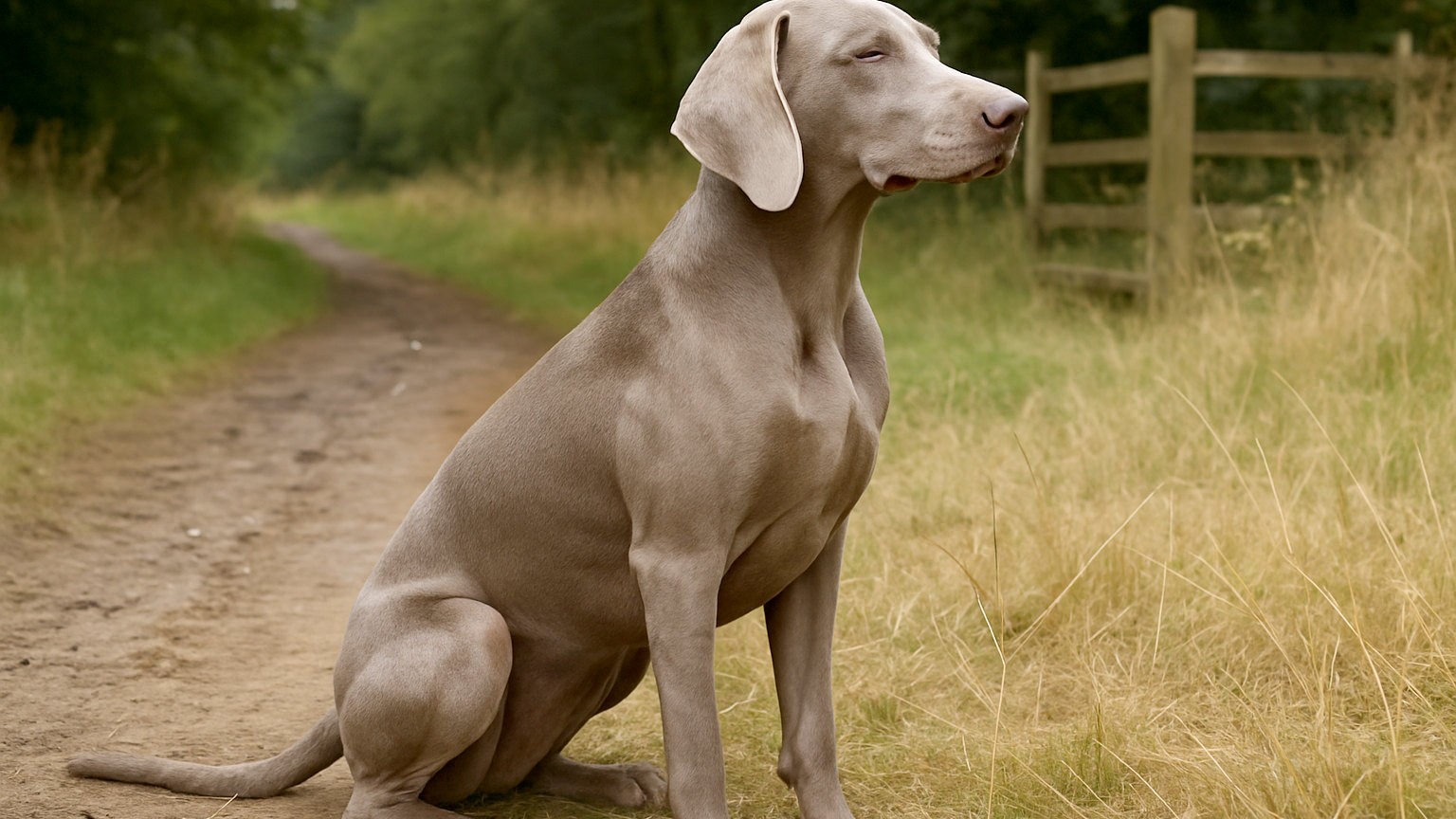
Thin-coated breeds without an undercoat, particularly sighthounds. Whippets, Greyhounds and Italian Greyhounds have almost no body fat and genuinely suffer in cold weather.
Also small breeds, which lose heat faster relative to their size, very young puppies, elderly dogs, and dogs that are unwell or underweight. Arthritic dogs are stiffer and more uncomfortable in the cold.
Double-coated northern breeds such as Huskies and Newfoundlands are entirely comfortable and often prefer winter.
Does a dog need a coat?
For the breeds above, yes, and it is practical rather than decorative. A shivering dog on a walk is genuinely uncomfortable.
Choose something waterproof that covers the chest and belly, fits without restricting shoulder movement, and does not rub in the armpits. A wet coat is worse than none, so dry it between walks.
Thick double-coated breeds do not need one and can overheat in one.
What are the main winter hazards?
Antifreeze is the most serious. It tastes sweet, dogs will drink it readily, and even a small quantity causes kidney failure. Spills on driveways and leaks from cars are the usual source, and treatment must begin very quickly to be effective.
Road salt and grit irritate pads and are harmful if licked off in quantity. Rinse paws in lukewarm water after walks on treated surfaces and dry them properly.
Frozen ponds and lakes are a recurring cause of tragedy, since dogs run onto ice that will not hold them. Never go onto ice after a dog. Ring the emergency services.
What about ice and snow?
Ice balls form between the toes in snow, particularly in hairy-footed breeds, and are painful. Trimming the hair level with the pads reduces it considerably, and a paw balm helps.
Grit and stones hidden in snow cause cuts. Slippery surfaces are a genuine risk for older and arthritic dogs, and a fall can cause injury that takes weeks to resolve.
Snow is fun for most dogs but eating large amounts of it can cause stomach upset and lowers body temperature.
How do you stay safe on dark walks?
Be visible. A reflective or light-up collar, harness or lead, plus something reflective on yourself, makes an enormous difference on unlit roads.
Keep dogs on a lead near traffic in the dark, since drivers see them far later than in daylight. If your dog goes off lead, a light-up collar makes it far easier to keep track of.
Vary routes carefully, since unfamiliar ground in darkness is harder for both of you.
How long should winter walks be?
Shorter and more frequent suits most dogs in very cold weather, particularly small, thin-coated and older dogs. Watch for shivering, lifting paws, slowing down or turning for home, all of which mean go back.
Healthy well-coated dogs generally manage normal walk lengths without difficulty.
What if it is genuinely too bad to go out?
Substitute mental work, which is more effective at tiring a dog than distance anyway. Scatter feeding, hidden treats, puzzle feeders, training sessions and indoor games all work.
Twenty minutes of scent work indoors is a legitimate replacement for a walk on a storm day rather than a poor substitute.
What about the dog's routine indoors?
Wet, cold weather usually means less time outside, so build in more to do indoors rather than letting the day become empty. A dog that has been cooped up all day is not a calm dog by evening.
Dry the dog properly after wet walks rather than letting a double coat dry slowly, which encourages skin problems and hot spots.
Check paws after every walk for grit, salt and cracked pads, and rinse them if you have been on treated pavements.
The general principle is that most dogs cope with cold far better than their owners expect, and the hazards are chemical and environmental rather than the temperature itself. Watch the paws, watch the water, and keep antifreeze off the driveway.