Grooming is one of the few areas of dog care where the requirement varies by a factor of ten between breeds. Working out what your dog's coat actually needs saves both effort and expense.
What does a smooth coat need?
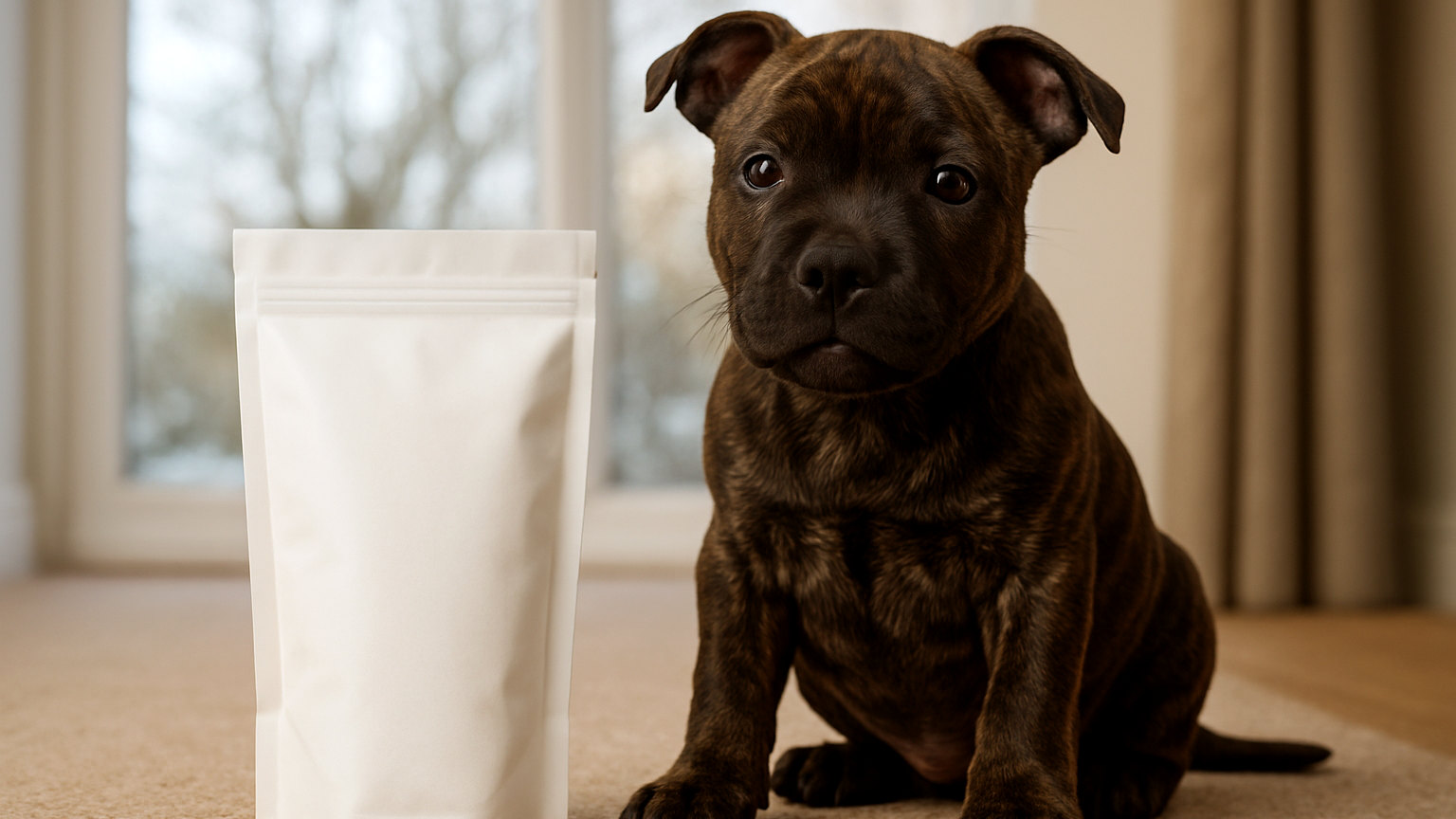
Very little. Whippets, Greyhounds, smooth Dachshunds, Boxers and Staffordshire Bull Terriers need a weekly brush with a rubber mitt or soft bristle brush to remove dead hair and distribute oils.
These coats do shed, but the hair is short and vacuums easily. No professional grooming is required at all, which makes them the lowest maintenance option available.
What about short double coats?
More than people expect. Labradors, Beagles and Pugs have short but dense coats that shed continuously, with heavier moults twice a year.
Brush two or three times a week normally and daily during a moult, using a tool that reaches the undercoat rather than gliding over the top. The volume during a seasonal moult surprises most first-time owners.
What do long double coats need?
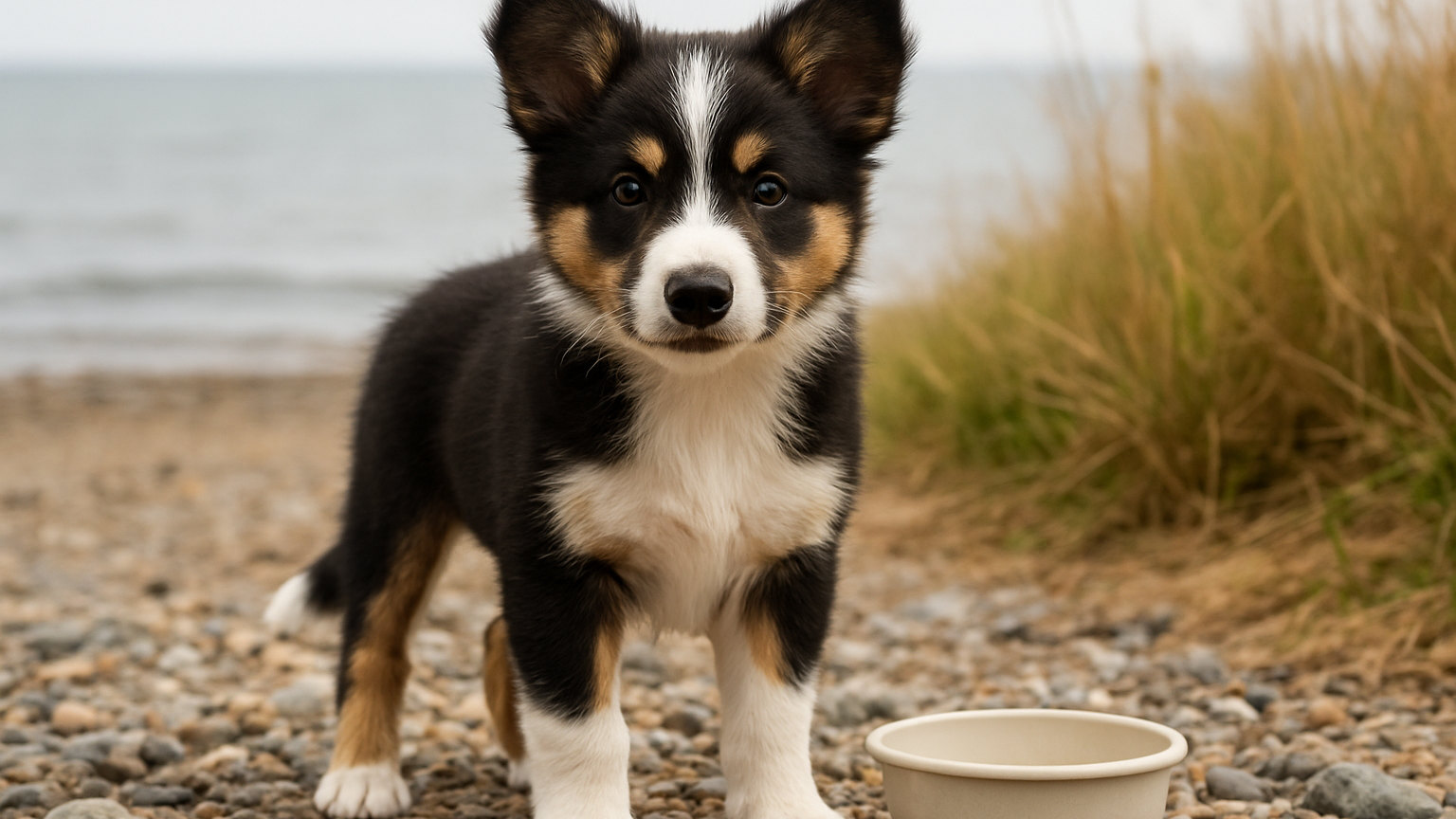
Regular and substantial attention. German Shepherds, Golden Retrievers, Bernese Mountain Dogs, Newfoundlands, Border Collies and Shetland Sheepdogs all need brushing several times a week, right down to the skin.
Feathering behind the ears, on the legs, under the belly and around the tail mats readily and needs specific attention rather than a general brush over the back.
During a moult, daily brushing is realistic rather than excessive. Many owners find it easier outdoors.
What about curly and non-shedding coats?
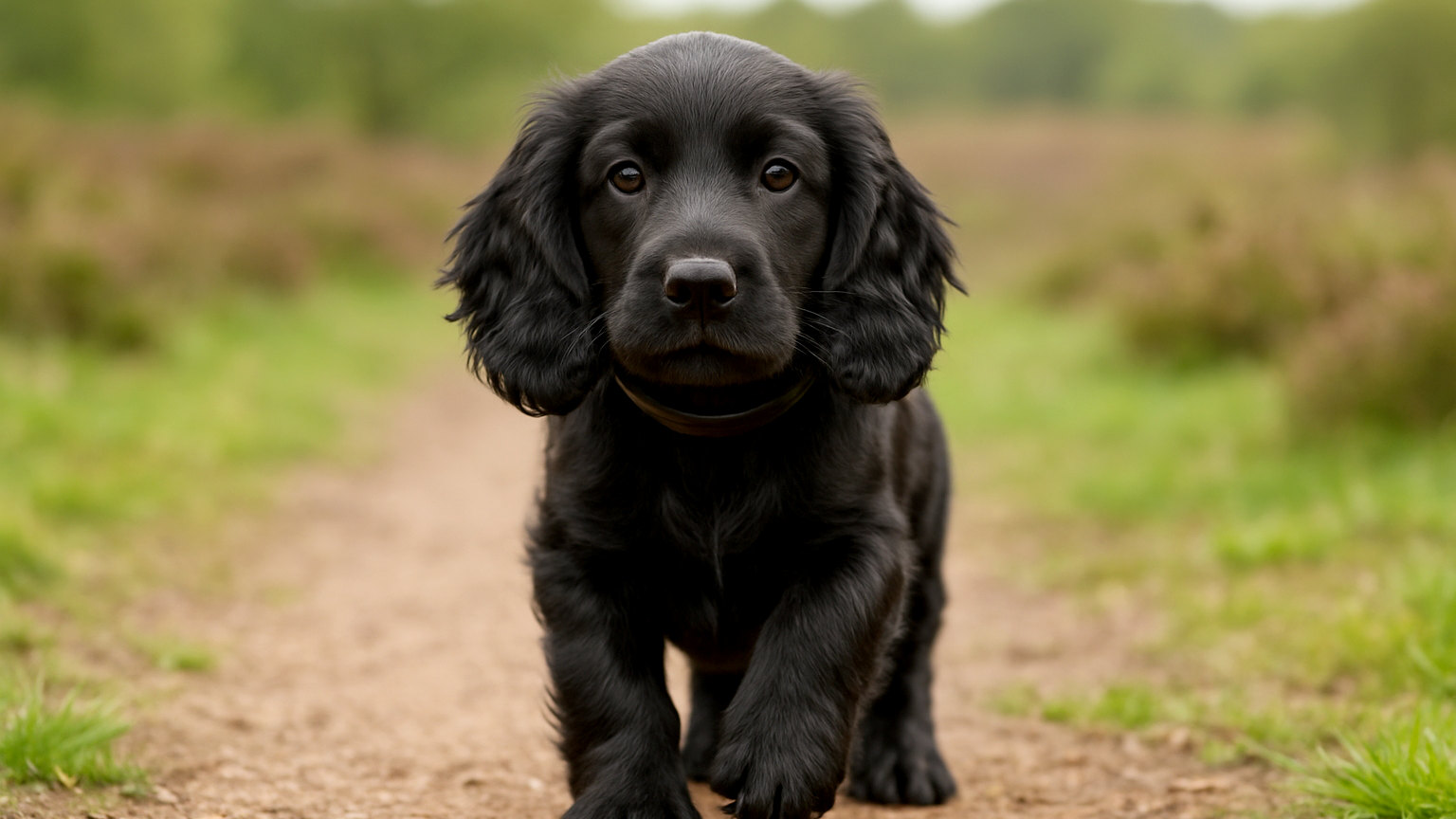
The heaviest commitment of all. Poodles, Bichon Frise, Cockapoos, Cavapoos, Labradoodles and similar coats do not shed, which means the hair that would otherwise fall out stays in the coat and mats.
These need brushing several times a week at minimum and daily for many dogs, plus professional grooming every six to ten weeks. Skipping either produces matting that has to be clipped off rather than brushed out.
Owners who chose these breeds to avoid hair on the sofa frequently underestimate this, and it is the most common grooming complaint groomers hear.
What about wiry coats?
Terriers, Schnauzers and Border Terriers have wiry coats that shed lightly and need either hand stripping or clipping a few times a year.
Hand stripping removes dead hair from the root and preserves the wiry texture and colour. Clipping is quicker and cheaper but softens the coat over time and often fades it. Beards and leg furnishings need brushing several times a week either way.
What needs doing regardless of coat?
Nails checked monthly and trimmed when they touch the floor as the dog stands. Ears checked weekly, particularly in drop-eared breeds and dogs that swim.
Teeth brushed daily, which matters far more than any other grooming task for the dog's long-term health. Paws checked after walks for cuts, cracked pads and grass seeds in summer.
Baths as needed rather than on a schedule, typically every four to twelve weeks depending on coat and lifestyle.
Does the season change things?
Considerably. Most dogs moult heavily in spring and again in autumn, and brushing frequency should roughly double during those periods.
Summer brings grass seeds, which work into feathered paws and ears and need checking after every walk in dry grass. Winter brings mud, and road salt that should be rinsed off paws.
How do you make it manageable?
Short frequent sessions rather than occasional long ones. Ten minutes daily is easier for both of you than an hour at the weekend, and it prevents matting rather than fighting it.
Start in the first week with any new dog, handling paws, ears, face and tail so that grooming is normal rather than a battle later.
What changes as a dog gets older?
Older dogs frequently need more grooming and tolerate it less. Coats can become drier and more prone to matting, and arthritic dogs find standing for long sessions uncomfortable.
Nails often need trimming more often, because a less active dog wears them down less on pavements. Overlong nails then worsen the mobility problems that caused the issue.
Groom an older dog in shorter sessions, let it lie down rather than stand, and consider a shorter clip if a full coat has become difficult to maintain comfortably.