Some doggy smell is normal, and it varies by breed and coat. What is not normal is a strong or persistent odour, and in most cases the cause is medical rather than dirt.
Why does bathing not fix it?
Because most persistent odour comes from a source that soap does not reach. Infected ears, diseased gums, impacted anal glands and skin infections all produce smell regardless of how clean the coat is.
Bathing repeatedly makes matters worse by stripping the natural oils, which dries the skin and can encourage the very infections causing the problem.
If a dog smells within a day or two of a bath, the answer is investigation rather than another wash.
What are the most common causes?
Ear infections, which produce a distinctly yeasty or unpleasant smell and are especially common in drop-eared breeds and dogs that swim. Look for head shaking, scratching and discharge.
Dental disease, which is the most under-recognised cause. Bad breath is not normal in a healthy dog, and periodontal disease affects the majority by middle age. Lift the lip and look at the gum line.
Anal gland problems, which produce a strong fishy odour. Scooting along the floor, licking under the tail or a sudden smell after the dog has been startled all point here.
What about skin problems?
Bacterial and yeast infections of the skin are a frequent cause, often smelling musty or sweetish. They tend to develop in folds and damp areas.
Breeds with skin folds such as Bulldogs, Pugs and Shar Pei need those folds cleaned and dried regularly, since trapped moisture causes infection quickly.
Seborrhoea, a disorder of skin oil production, produces a greasy coat and a characteristic odour. Underlying allergy is a common driver of recurrent skin infection.
Are there less obvious causes?
Yes. A damp double coat that has not dried properly can develop hot spots and smell unpleasant, which is why drying matters after baths and swims.
Impacted material in a matted coat, urine scald in older or incontinent dogs, and infected skin under a mat all produce odour hidden from view.
Some metabolic conditions cause distinctive breath. A sweet or acetone smell can indicate diabetes, and an ammonia-like breath can suggest kidney disease. Both warrant prompt veterinary attention.
What about wet dog smell?
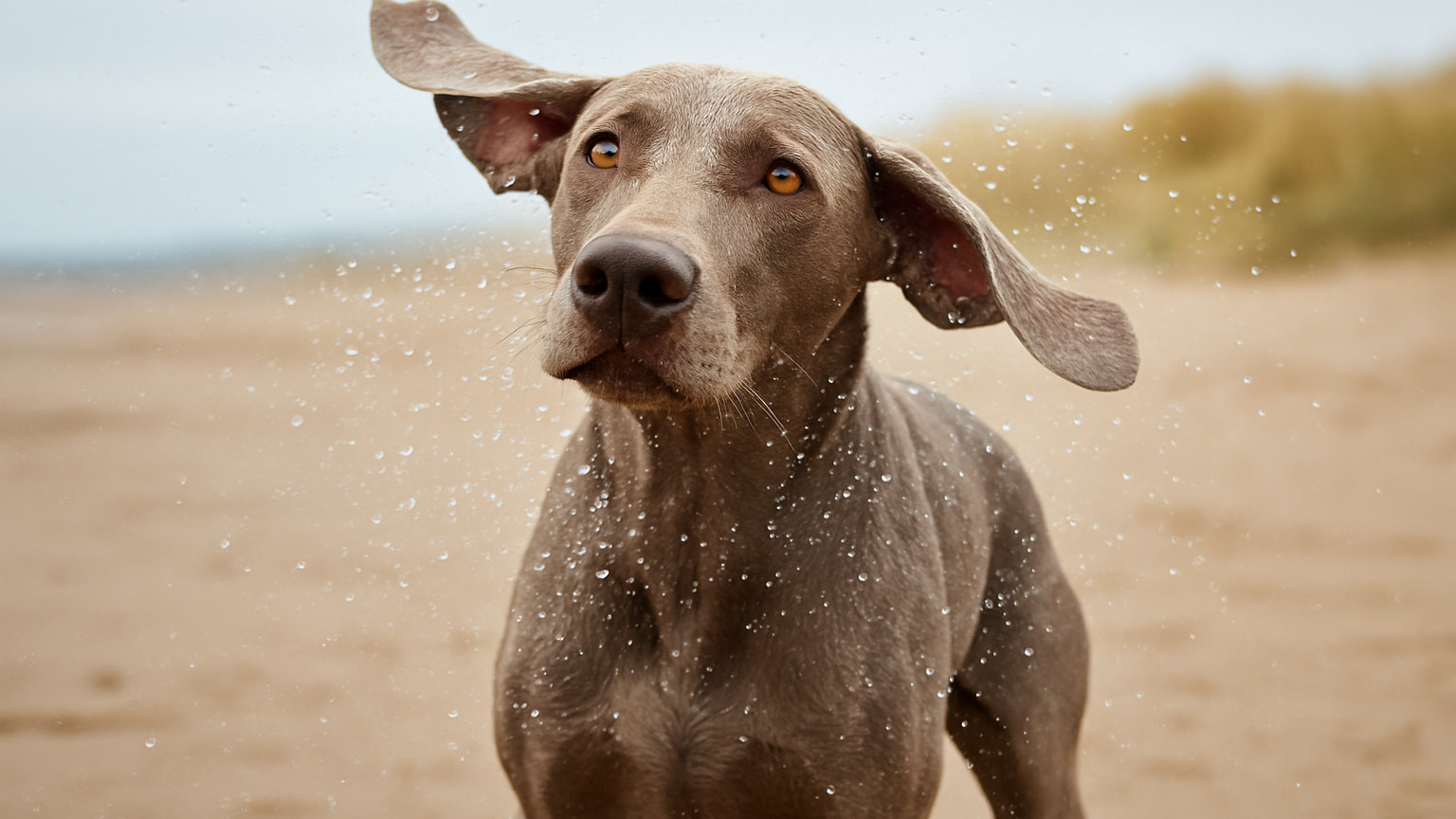
Entirely normal and caused by bacteria and yeast that live harmlessly on the coat releasing compounds when wet. It is not a sign of poor hygiene.
Drying the dog thoroughly reduces it. Double coats hold a great deal of water and take a long time, and leaving them damp encourages skin problems as well as smell.
Should anal glands be expressed routinely?
No. Most dogs empty them naturally when passing firm stools, and routine expression can cause inflammation and make the problem recurrent.
Have them checked if the dog is scooting, licking or smelling. Adding fibre to the diet helps some dogs, and persistent problems need veterinary assessment rather than repeated expression.
When should you see a vet?
Any new, strong or persistent smell. Odour combined with scratching, head shaking, licking, scooting, redness or discharge.
Any change in breath, since dental disease is painful and affects the heart, liver and kidneys when left untreated. Smell is information rather than an inconvenience, and it is usually pointing at something treatable.
How do you reduce normal doggy smell?
Wash bedding weekly, since it holds odour and reintroduces it to a clean dog. Dry the dog thoroughly after wet walks rather than letting a double coat dry slowly.
Brush regularly, which removes dead hair and skin that would otherwise sit in the coat. Clean the collar and harness, which absorb oils and are frequently forgotten.
Brush the teeth daily, since breath contributes far more to how a dog smells than most owners realise.
The useful principle is that smell is a symptom rather than a hygiene failure. A dog that is brushed, dried properly and has healthy ears, teeth and skin does not smell strongly, and one that does is telling you where to look.