Pet shops sell a bewildering range of grooming equipment, much of it decorative. The tools that genuinely matter are few, and choosing them by coat type rather than by packaging makes the job far easier.
What does every owner need?
A metal comb, which is the most useful and least glamorous item in the kit. It is not really for brushing but for checking: run it through the coat to the skin, and if it passes freely the coat is properly groomed.
Nail clippers or a grinder appropriate to the dog's size. A toothbrush and dog toothpaste, since dental care matters more to health than any coat work.
Towels, and more than you expect. Dog-specific shampoo for occasional baths.
What suits a smooth coat?
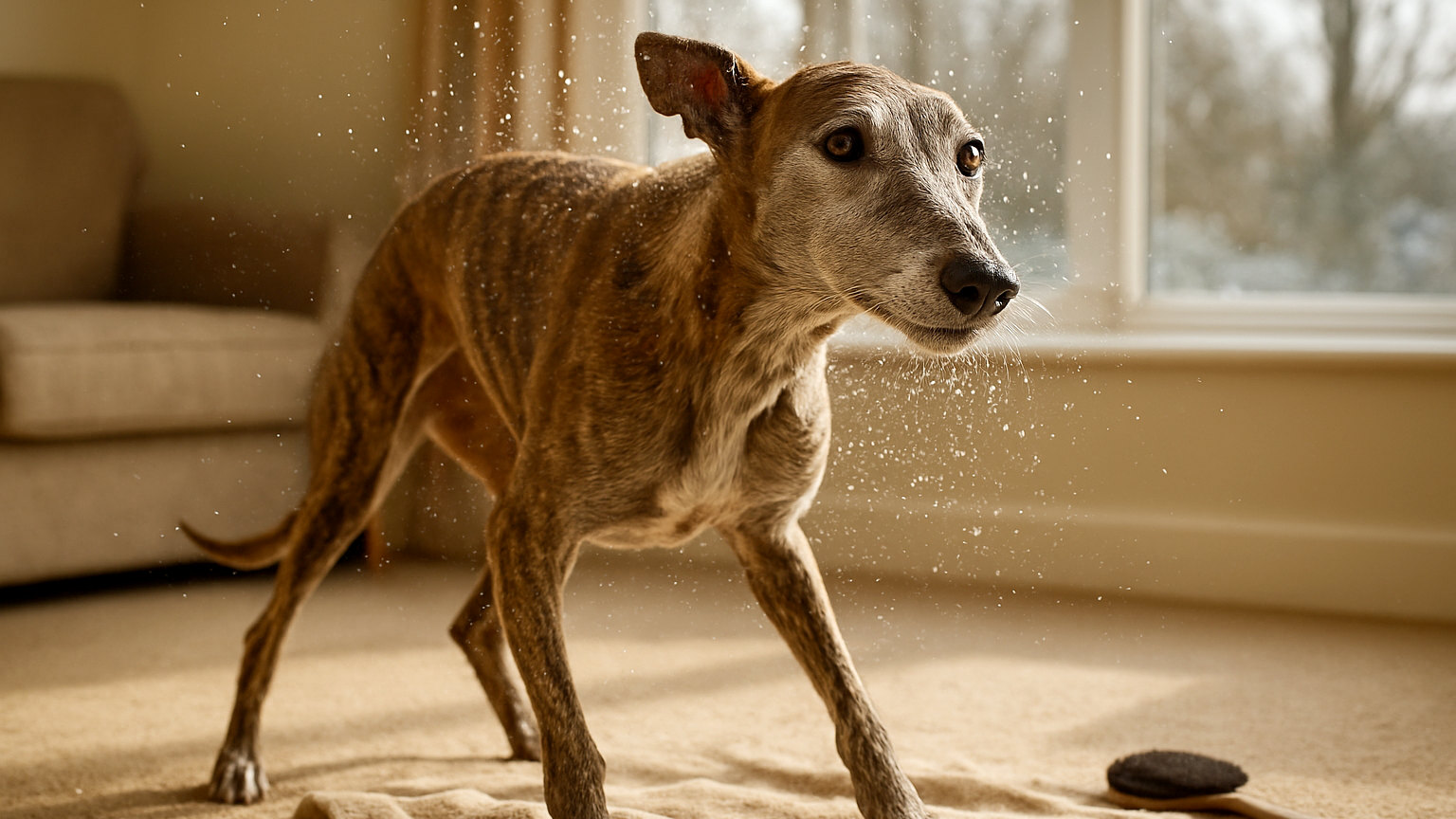
A rubber grooming mitt or a soft bristle brush, used weekly. That is genuinely all that is needed for Whippets, Staffies, Boxers and smooth Dachshunds.
A rubber mitt has the advantage of doubling as a massage, and most dogs enjoy it, which makes the routine easy to maintain.
What suits a double coat?
An undercoat rake, which pulls dead undercoat out from beneath the topcoat. This is the single most valuable tool for Labradors, German Shepherds, Golden Retrievers and similar breeds.
A slicker brush for finishing and for feathering. Deshedding tools with a blade edge work well but should be used sparingly, since overuse can damage the topcoat.
These are the coats where using the right tool rather than a general brush makes a dramatic difference to how much hair ends up on the furniture.
What suits a curly or non-shedding coat?
A good quality slicker brush plus a metal comb, used with line brushing. These two together prevent almost all matting if used several times a week.
A mat splitter or dematting comb is worth having for small tangles, used carefully at the outer edge of a mat rather than dragged through.
Detangling spray helps, and blunt-ended scissors are useful for tidying around paws, though anything close to skin is safer left to a groomer.
What suits a wiry coat?
A stripping knife if you hand strip, or a slicker and comb for maintenance between professional clips. Terrier beards and leg furnishings need a comb several times a week.
What is worth avoiding?
Cheap slicker brushes with sharp unprotected pins, which scratch skin and cause brush burn. Check the pins are fine and slightly flexible.
Guillotine nail clippers, which give less control than the scissor type and crush thicker nails. Cotton buds, which should never go near an ear canal.
Human shampoo and conditioner, since canine skin has a different pH. Human hairdryers on hot settings, which burn skin easily.
Also treat multi-tool gadgets with scepticism. Two good tools chosen for the coat beat one that claims to do everything.
Is a dryer worth buying?
For a double-coated or curly-coated dog, yes. A dedicated pet dryer moves air without heat, which dries far faster than towels and prevents a damp undercoat.
Damp double coats left to dry naturally can develop hot spots, so this is a health consideration rather than a convenience for those breeds.
How much should you spend?
Buy one good slicker or rake rather than three cheap brushes. Quality tools last years, work more effectively and are more comfortable for the dog.
Keep styptic powder in the kit before you ever need it, and replace clippers when they stop cutting cleanly, since blunt blades crush nails rather than cutting them.
What if you use a professional groomer?
You still need the basics at home. Regular brushing between appointments is what determines whether a coat can be maintained in the style you want or has to be clipped short.
A slicker and a metal comb are worth owning even if a groomer does everything else. Six to ten weeks is a long time for a curly coat to go unbrushed.
Ask your groomer which tools suit your dog specifically and to demonstrate the technique. Most are pleased to show you, since it makes their job considerably easier.