Ear care is one of the areas where doing less is frequently better. A healthy ear is self-cleaning, and unnecessary intervention irritates the canal and disturbs the natural balance.
Do all dogs need their ears cleaned?
No. Many dogs with upright ears and no history of problems never need cleaning at all, and cleaning them anyway can cause irritation.
Dogs that genuinely benefit are those with drop ears, hairy ear canals, a history of infections, allergies, or those that swim regularly.
The rule is to check weekly and clean only when there is visible wax or debris, or when a vet has advised a routine.
What should a healthy ear look like?
Pale pink inside, with a small amount of pale wax and no strong smell. The dog should not object to the ear being touched or lifted.
Check weekly by lifting the flap and looking inside, and smell it, since odour is often the first change you notice.
What are the signs of a problem?
Head shaking, scratching at the ear, rubbing the head along furniture or the floor, or holding the head tilted to one side.
Redness, swelling, dark brown or black discharge, a yellow discharge, or a distinctly unpleasant or yeasty smell. Pain when the ear is touched, or a dog that suddenly objects to having its head handled.
Any of these means a veterinary appointment rather than a clean. Cleaning an infected ear at home can push material further in and delay proper treatment.
Why should you never use cotton buds?
Because a dog's ear canal is L-shaped, with a vertical section turning into a horizontal one. A cotton bud pushes wax and debris around the bend and packs it against the eardrum.
It also risks perforating the eardrum, which is painful and can affect balance and hearing. Nothing narrower than a finger should go into the canal.
How do you clean an ear properly?
Use a cleaner designed for dogs, ideally one your vet recommends. Avoid home remedies involving vinegar, hydrogen peroxide, olive oil or surgical spirit, all of which cause irritation.
Fill the ear canal with cleaner, then massage the base of the ear for around twenty seconds. You should hear a squelching sound, which means the fluid is reaching where it needs to.
Let the dog shake its head, which brings debris up out of the canal, then wipe the visible parts of the flap and the entrance with cotton wool. Never go into the canal itself.
Do it somewhere you do not mind being splattered, since the shake is enthusiastic.
Which dogs get infections most?
Drop-eared breeds, particularly spaniels, since a hanging flap traps warmth and moisture and creates ideal conditions for bacteria and yeast.
Dogs that swim are frequently affected, and drying the ears after wet walks reduces the frequency considerably. Poodles and Poodle crosses have hair growing in the canal that traps debris.
Allergic skin disease is a common underlying cause of recurrent ear infections, and treating each episode without addressing the allergy means they keep returning.
What about recurring infections?
Repeated infections need investigating rather than repeatedly treating. Chronic inflammation causes the canal to thicken and narrow permanently, and in severe cases surgery becomes the only option.
Ask your vet about the underlying cause, which is often allergy, and about swabbing to identify the specific organism rather than treating empirically.
Never use leftover ear drops from a previous episode, as the wrong treatment can make things considerably worse.
What about hair in the ear canal?
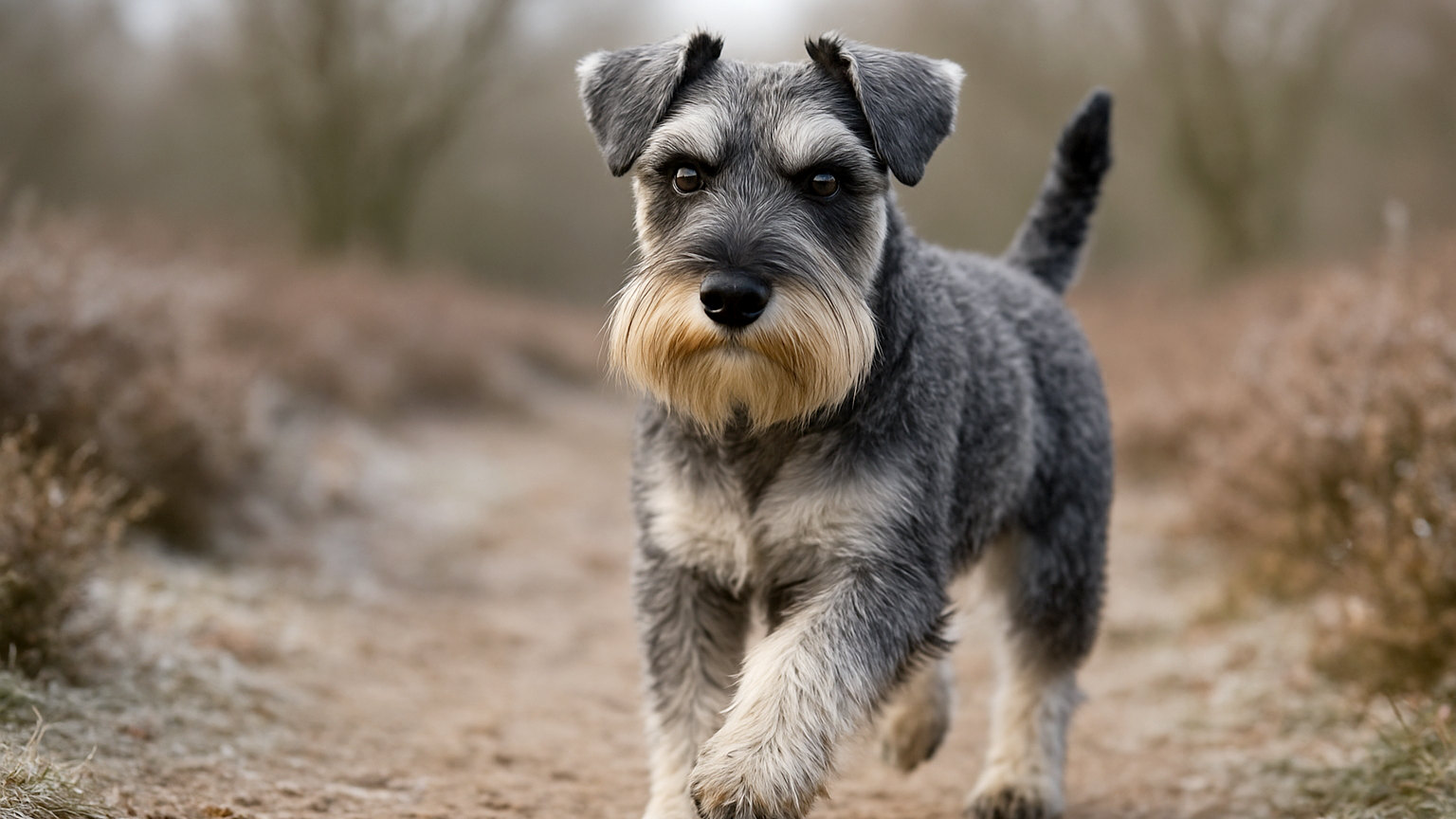
Poodles, Poodle crosses, Schnauzers and some terriers grow hair inside the canal, which traps wax and debris and reduces airflow.
Whether it should be plucked is genuinely debated. Removing it can cause inflammation and micro-trauma that leads to infection, so many vets now advise leaving it unless the dog has recurrent problems.
Ask your own vet what they recommend for your dog specifically, rather than assuming it should be routinely plucked at every groom.