Dogs do not need to be clean in the way people do. Their skin and coat maintain themselves reasonably well, and the most common bathing mistake is doing it too often.
How often is right?
For most dogs, somewhere between every four weeks and every three months, or simply when genuinely dirty.
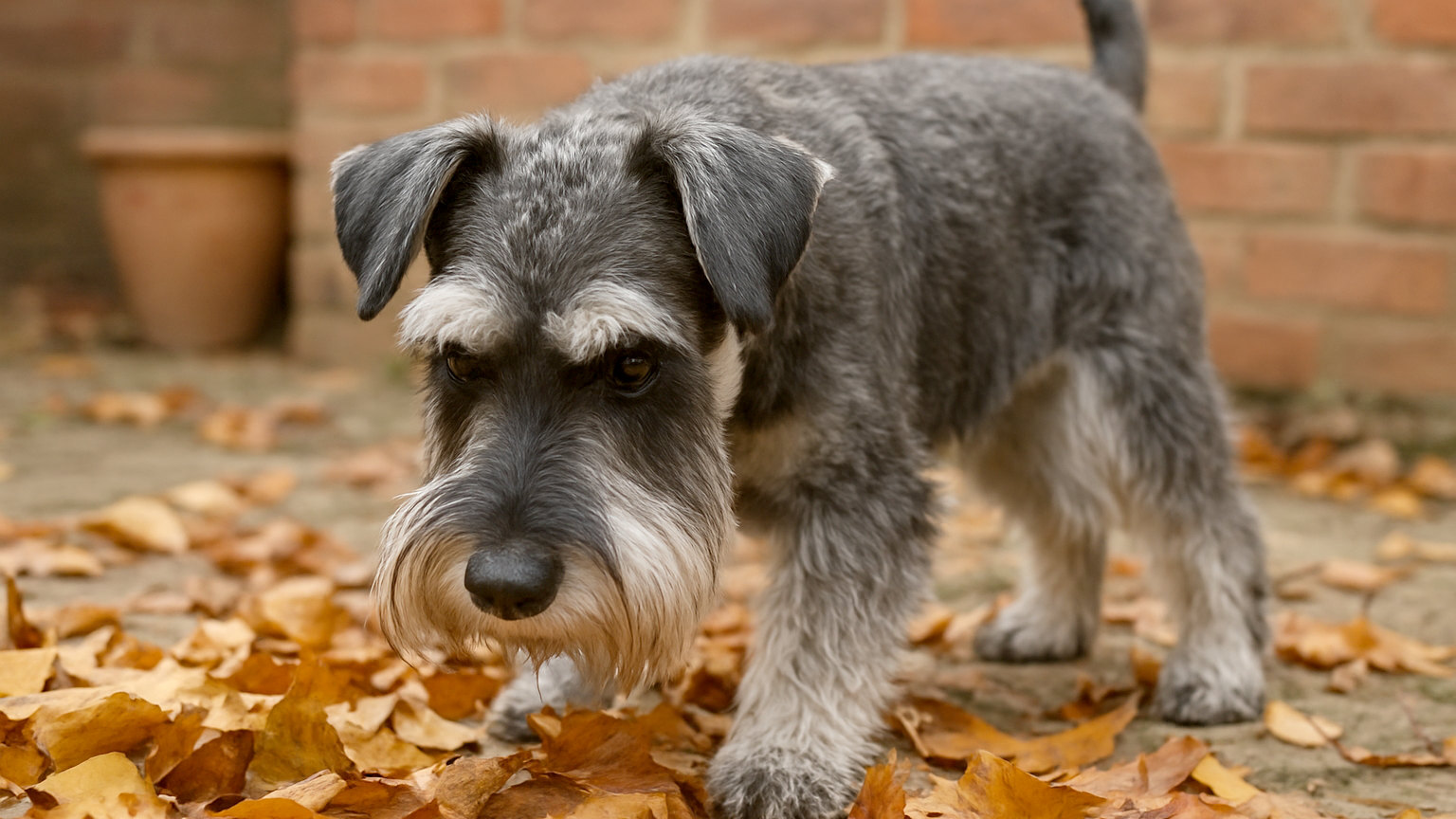
Short-coated dogs such as Whippets and Staffies may need bathing only a few times a year. Curly-coated breeds are usually bathed as part of professional grooming every six to ten weeks.
Dogs that swim in rivers, roll in unpleasant things or have skin conditions may need more frequent washing. Follow the dog and the situation rather than a calendar.
Why is over-bathing a problem?
Because shampoo strips the natural oils that keep skin supple and the coat water-resistant. Washing too often leaves skin dry, itchy and flaky, and the coat dull.
Dry skin then becomes more prone to irritation and infection, which owners sometimes respond to by bathing more, making it worse.
Weekly bathing is too much for almost every dog unless a vet has specifically prescribed a medicated wash on that schedule.
What shampoo should you use?
A shampoo formulated for dogs. Canine skin has a different pH from human skin and is thinner, so human shampoo, including baby shampoo, is not appropriate and causes irritation with repeated use.
Choose something plain and unfragranced for most dogs. Oatmeal-based shampoos suit dry or sensitive skin.
Washing up liquid should not be used except on veterinary advice for oil contamination. Never use human conditioner or hair products.
How do you actually bath a dog?
Brush thoroughly first, since water tightens any existing mats and makes them far harder to remove. Never bath a matted dog.
Use lukewarm water, wet the coat down to the skin, and work shampoo in from the neck backwards, keeping it out of eyes and ears. A cotton wool ball in each ear helps in dogs prone to ear problems.
Rinse thoroughly, then rinse again. Residual shampoo is a common cause of itching afterwards and is the step most people cut short, particularly on thick coats.
How should you dry the dog?
Towel first, pressing rather than rubbing, since rubbing tangles a long coat. Double coats hold an astonishing amount of water and take a long time.
A dryer on a cool or low setting helps considerably, and brushing while drying prevents the coat drying into tangles. Human hairdryers on hot settings can burn skin, so keep it cool and moving.
A damp double coat left to dry on its own can develop hot spots, so drying properly matters more in these breeds than people realise.
What about dogs that hate water?
Build it gradually rather than forcing it. Feed treats in an empty bath, then with a little water, then with the shower running quietly, over days rather than minutes.
A non-slip mat makes an enormous difference, since much of the fear is about slipping rather than water. A lickmat stuck to the tiles occupies the dog throughout.
For a genuinely frightened dog, a professional groomer with proper equipment is kinder than a struggle at home.
What if the dog still smells afterwards?
Persistent smell after bathing usually means something medical rather than dirt. Ear infections, dental disease, skin infections and anal gland problems all produce odour that washing does not touch.
A dog that smells within a day or two of a bath is worth having checked rather than bathed again.
What about dogs that roll in something unpleasant?
A common and thoroughly normal behaviour, thought to relate to scent masking. Fox mess is the usual culprit and it is remarkably persistent.
Wash the affected area rather than the whole dog where possible, using a dog shampoo and repeating if needed. Some owners find a solution of biological washing powder made up weakly for the affected patch helps, though it must be rinsed out completely.
Do not use human perfumes or deodorising sprays to mask it, as these irritate skin. Frequent full baths for repeated rolling will dry the coat out, so spot cleaning is the better approach.