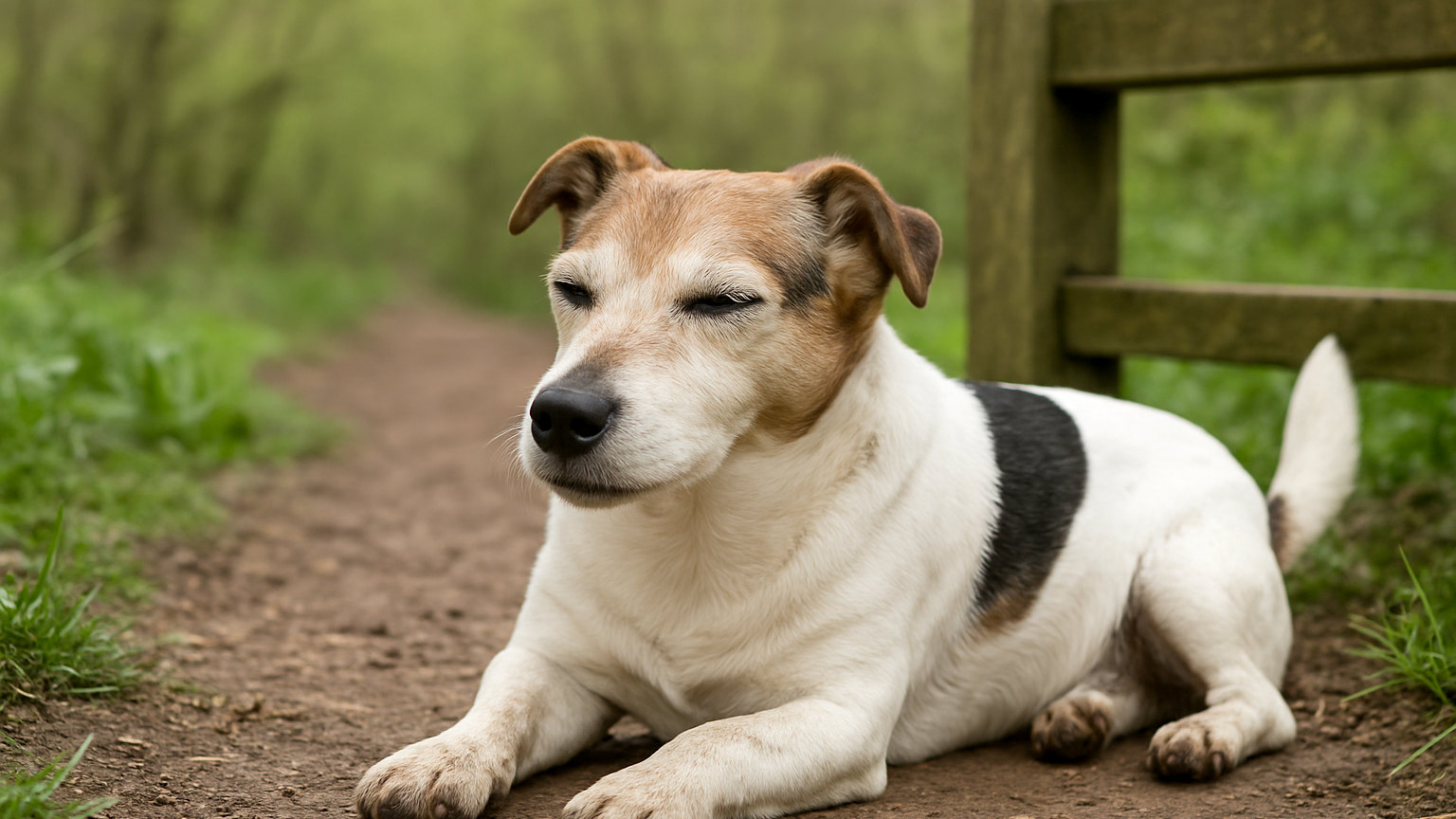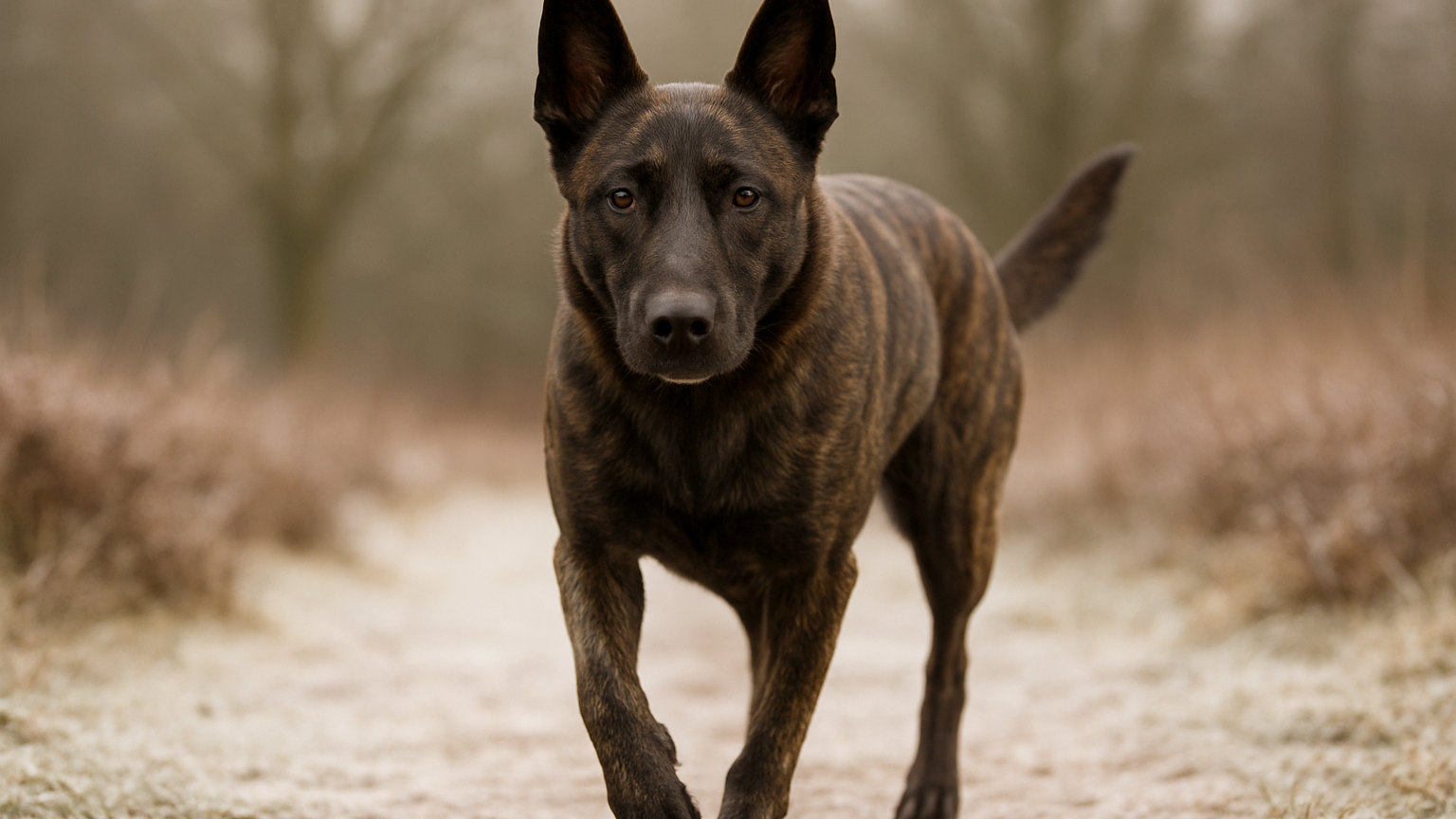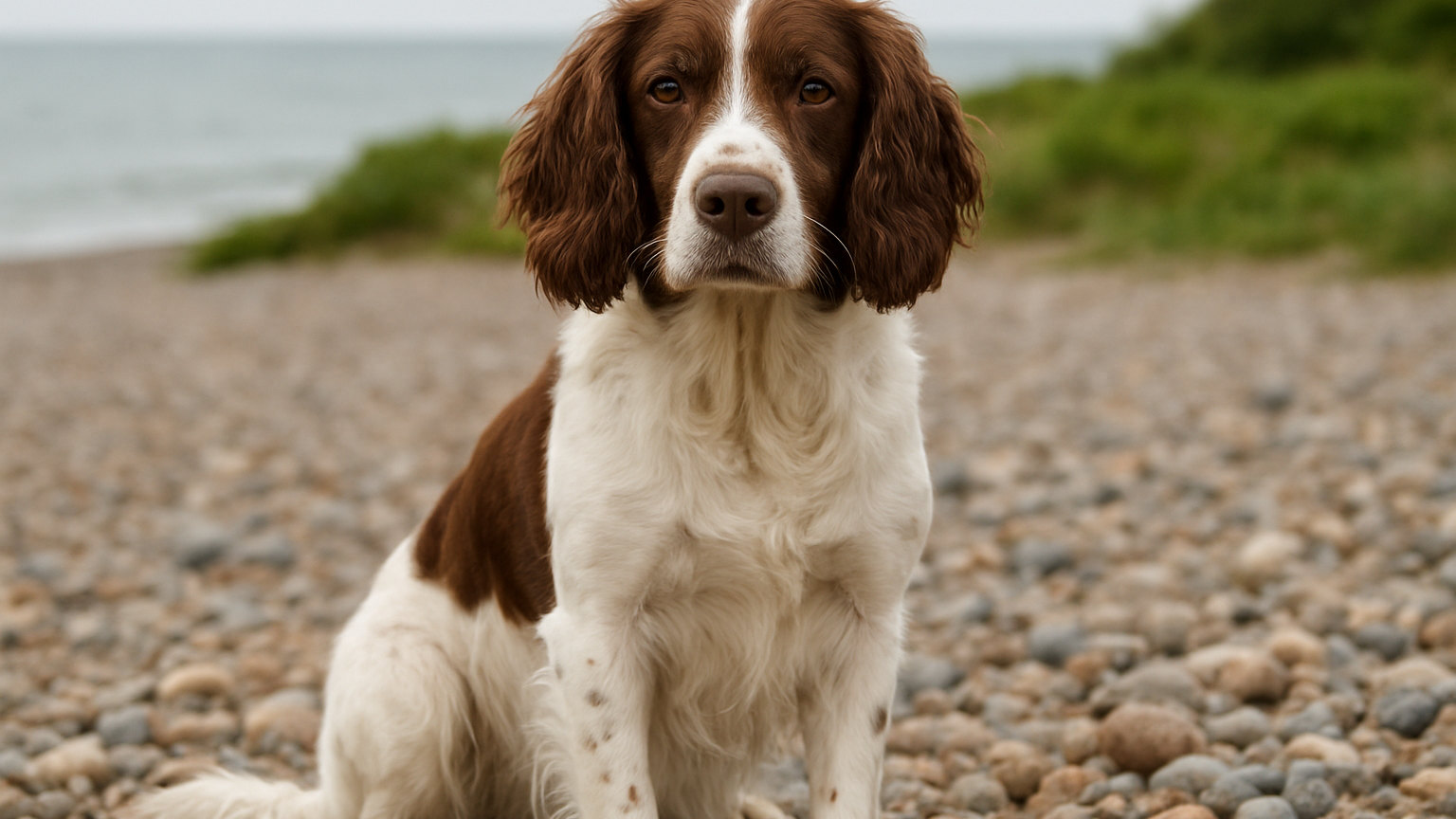
A dog that has always been fine alone and suddenly is not is giving you useful information. Something has changed, and identifying what shapes the response.
Why check medical causes first?
Because several conditions produce behaviour that looks exactly like separation anxiety, and treating them as behavioural delays diagnosis.
Pain, particularly arthritis, makes a dog restless and less able to settle. A dog that cannot get comfortable will pace and vocalise whether or not you are there.
Urinary problems, kidney disease and diabetes cause accidents indoors that are mistaken for anxiety-driven toileting.
Cognitive dysfunction in older dogs causes increased anxiety, disorientation and vocalising, and it frequently presents first as difficulty being alone.
Hearing or sight loss makes a dog more dependent and more easily startled when alone.
What life changes commonly trigger it?
A change in routine, which is the most common. Someone returning to an office after a period at home, a change of shift pattern, or children going back to school.
A house move, which removes every familiar reference point at once. Building work or a change in the neighbourhood.
A bereavement in the household, human or animal. The loss of another dog frequently produces separation problems in the survivor.
A new baby, a new partner, someone leaving home, or a change in who does the walks and feeding.
Could it be a single event?
Frequently. A frightening experience while alone can produce lasting anxiety about being left.
Fireworks are the classic example, and a dog left alone during a display may associate the terror with being alone rather than with the noise.
A break-in, a smoke alarm going off, a thunderstorm, or something falling over can all do the same thing.
Being trapped or unable to escape during a frightening event makes this considerably more likely.
Does age play a part?
Yes, at both ends. Adolescent dogs between six and eighteen months sometimes develop separation problems as part of a wider period of increased sensitivity.
Older dogs become less tolerant of being alone, and this is common enough that it should always prompt a veterinary check rather than being accepted as ageing.
What should you do?
Book a veterinary appointment, particularly for an older dog or where anything else has changed such as appetite, thirst, mobility or sleep.
Record a departure so you know what is actually happening and how quickly it starts.
Note when it began and what changed around that time, since the trigger is often obvious once you look for it deliberately.
Does knowing the cause help?
Considerably. Where the trigger is identifiable and temporary, the outlook is usually better than for long-standing anxiety.
Where it is a permanent change such as a new work pattern, the treatment is the same structured desensitisation, applied with the new circumstances in mind.
What is the outlook?
Generally better than for long-standing anxiety, particularly where the trigger is identifiable and recent.
Dogs that developed the problem after a specific event frequently respond well to treatment, and some improve substantially once a medical cause is addressed.
Acting early matters, since the longer the panic is rehearsed the more established it becomes.
What should you not do?
Assume it will settle once the dog gets used to the new arrangement. Panic does not habituate in the way people expect, and the problem usually deepens.
Punish the behaviour, which increases anxiety about departures. Extend absences to prove a point, which rehearses the panic.
What should you tell the vet?
Exactly when it started, what changed around that time, and what the recording shows. Bring the footage if you can.
Mention any other changes: appetite, drinking, toileting, sleep, mobility and how the dog is generally, since these help distinguish medical from behavioural causes.
The useful principle is that sudden change in an adult dog has a cause, and finding it is more productive than managing the symptom. Start with the vet.