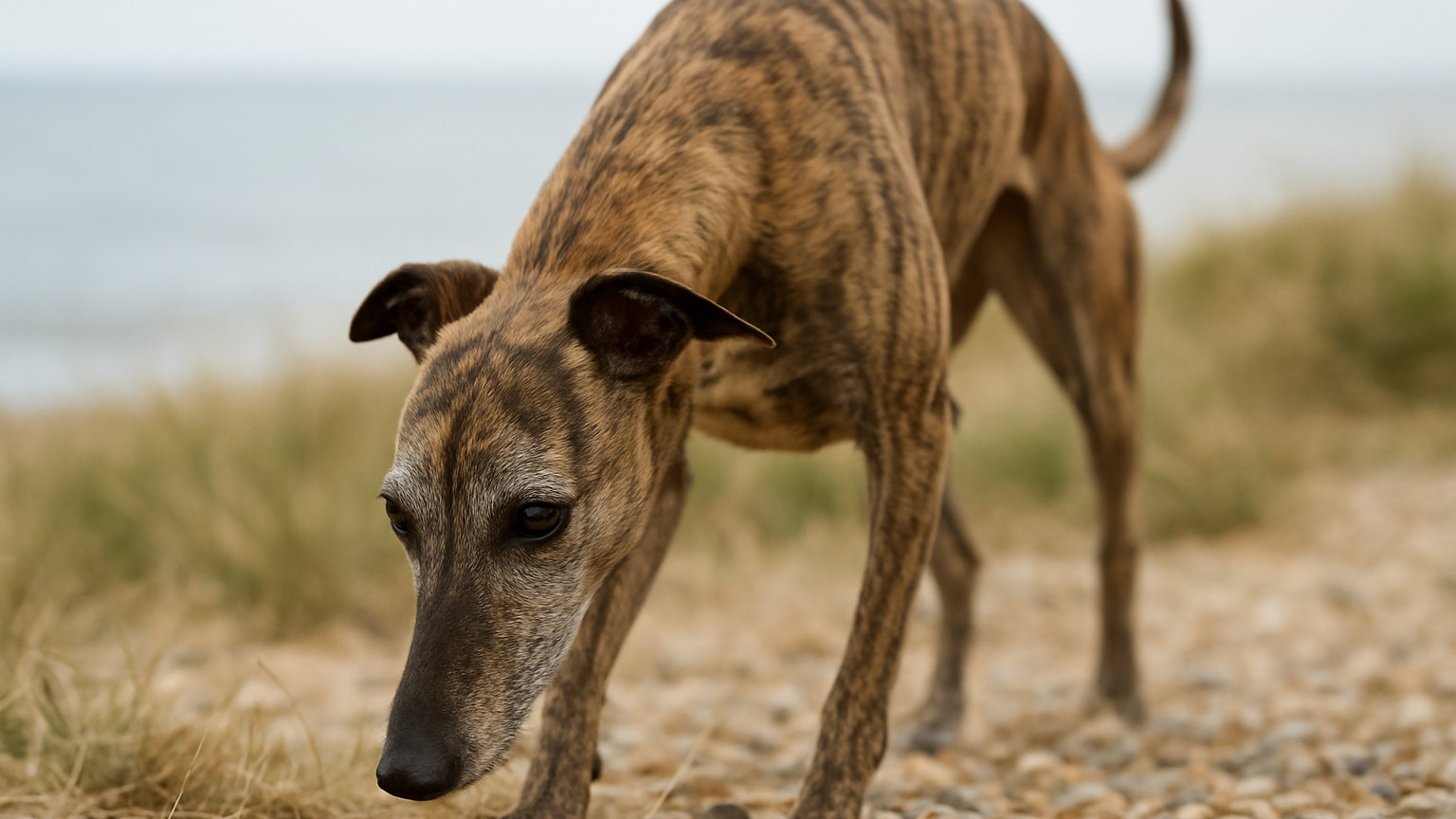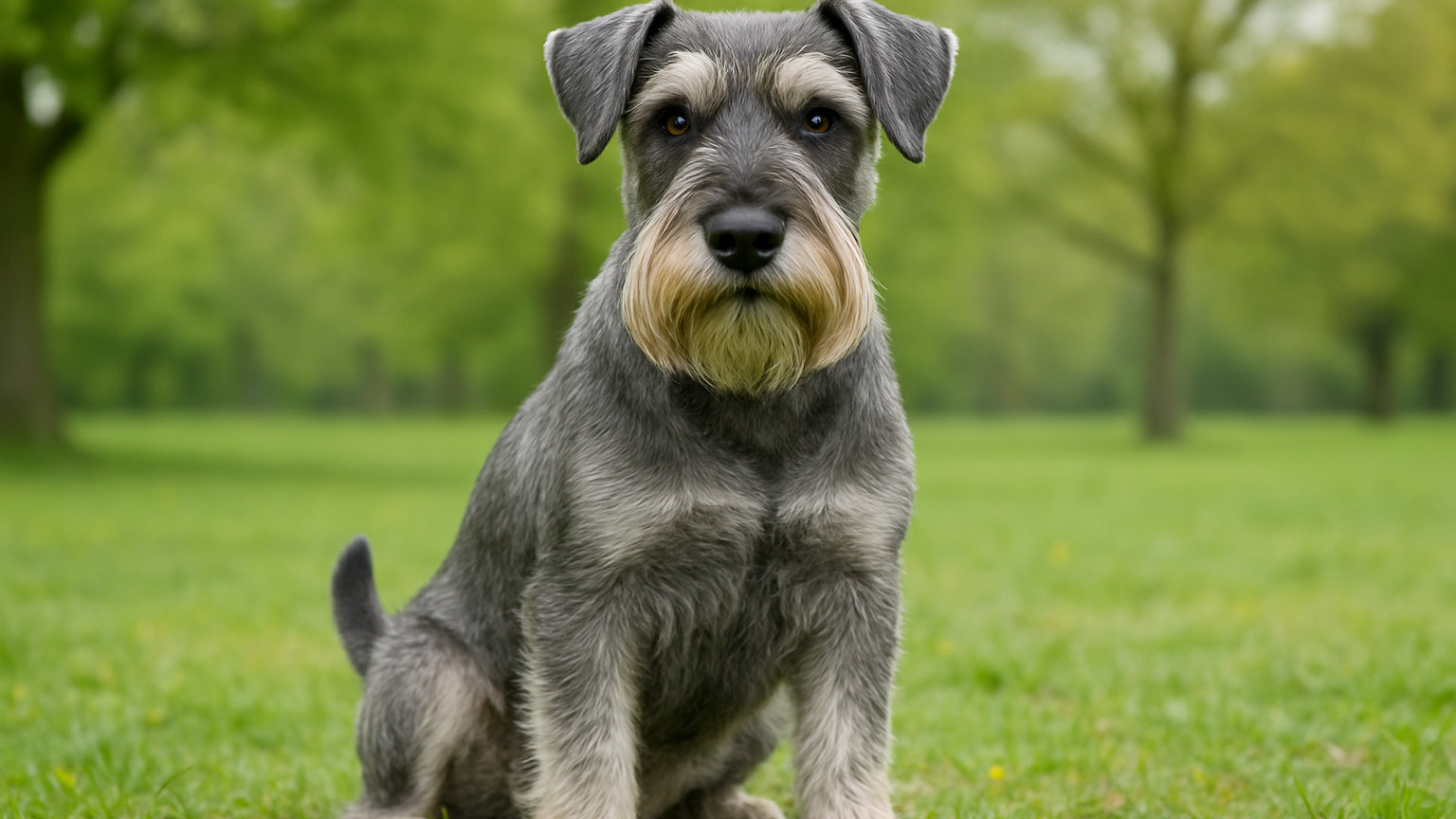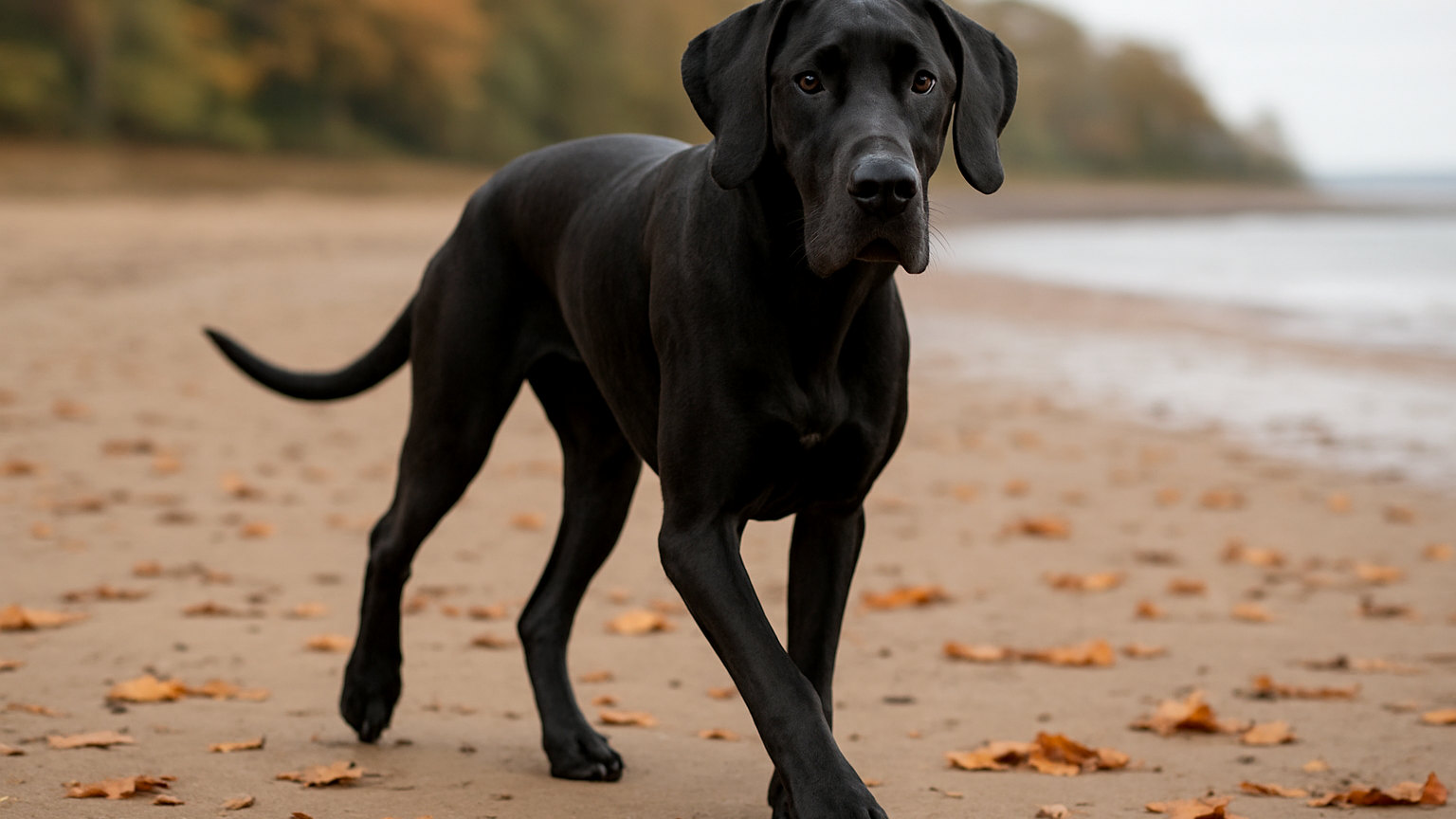
The point at which a dog becomes senior varies more than almost any other aspect of dog care, and it depends overwhelmingly on size.
What are the usual thresholds?
Small breeds under about ten kilograms are generally considered senior from around ten to twelve years.
Medium breeds from around eight to ten. Large breeds from around seven. Giant breeds such as Great Danes, Irish Wolfhounds and Bernese Mountain Dogs from as early as five or six.
These are rough markers rather than birthdays. A fit nine-year-old Labrador may show fewer age-related changes than a stiff seven-year-old of the same breed.
Why does size make such a difference?
Because larger dogs age faster in a way that is not fully explained. The leading theory involves growth rate: reaching seventy kilograms in eighteen months demands enormous cell division, which appears to carry a cost.
Larger dogs also carry more weight through their joints, develop arthritis earlier, and have higher rates of several cancers at younger ages.
The result is a gap of eight years or more in average lifespan between the smallest and largest breeds, which is remarkable within a single species.
What changes at that point?
Practically, the frequency and content of veterinary care. Many practices recommend moving from annual to six-monthly health checks, and adding blood and urine testing to pick up changes before signs appear.
Diet may need adjusting, usually downwards in calories rather than in protein. Exercise shifts towards little and often. Home adaptations such as non-slip flooring and ramps become worth considering.
Is there a reliable way to convert dog years?
The old formula of multiplying by seven is inaccurate and misleading. Dogs age rapidly in the first two years, reaching an equivalent of roughly the mid-twenties by their second birthday, then age more slowly and at different rates by size.
More recent work using changes to DNA has produced better models, though they still vary by breed. The practical answer remains to judge by size and by the individual dog.
Does senior food matter at this point?
Not automatically. There is no regulatory definition of senior food and formulations vary widely.
What matters is that the food is complete and the amount matches a dog that is usually less active. Protein should not be reduced unless a vet has diagnosed kidney disease, since older dogs need adequate protein to maintain muscle.
Why does the label matter at all?
Because it prompts a change in how closely you watch. The conditions that matter most in later life, including kidney disease, heart disease, arthritis and cancer, are all considerably more manageable when caught early.
Owners who start six-monthly checks at the right point catch things that would otherwise be found a year later.
What should you start doing?
Weigh the dog monthly and record it. Do a weekly hands-on check for lumps, and note anything that changes.
Watch drinking and toileting particularly, since increased thirst is one of the most useful early signals available. Book the six-monthly check and treat it as routine rather than something to arrange when a problem appears.
Does a senior dog need anything different day to day?
Mostly small adjustments rather than wholesale change. Shorter, more frequent walks rather than one long one. More frequent toilet opportunities.
Non-slip flooring on the routes it uses, a supportive bed out of draughts, and warmth, since cold worsens stiffness noticeably.
Continued mental stimulation matters as physical exercise reduces, and there is evidence it supports cognitive function as well as filling the day.
Does it change how you plan?
It is worth thinking about practically as well as medically. Insurance premiums rise steeply in later years, and conditions diagnosed now will be excluded if you switch provider.
Consider whether travel, house moves or changes in your own circumstances are likely, and how an older dog would cope with them.
Knowing roughly where your dog sits in its life stage also makes decisions about surgery, treatment intensity and cost easier to weigh sensibly.